
Sea Nomads of the South: The Enduring Legacy of the Kawésqar People
In the waterways, wind-swept islands, and fjords of Chilean Patagonia, from the Taitao Peninsula to the Brecknock Peninsula in Tierra del Fuego, lived the Kawésqar people. For over 6,000 years, these sea nomads carved out a unique existence, adapting resiliently to one of the planet's harshest environments.
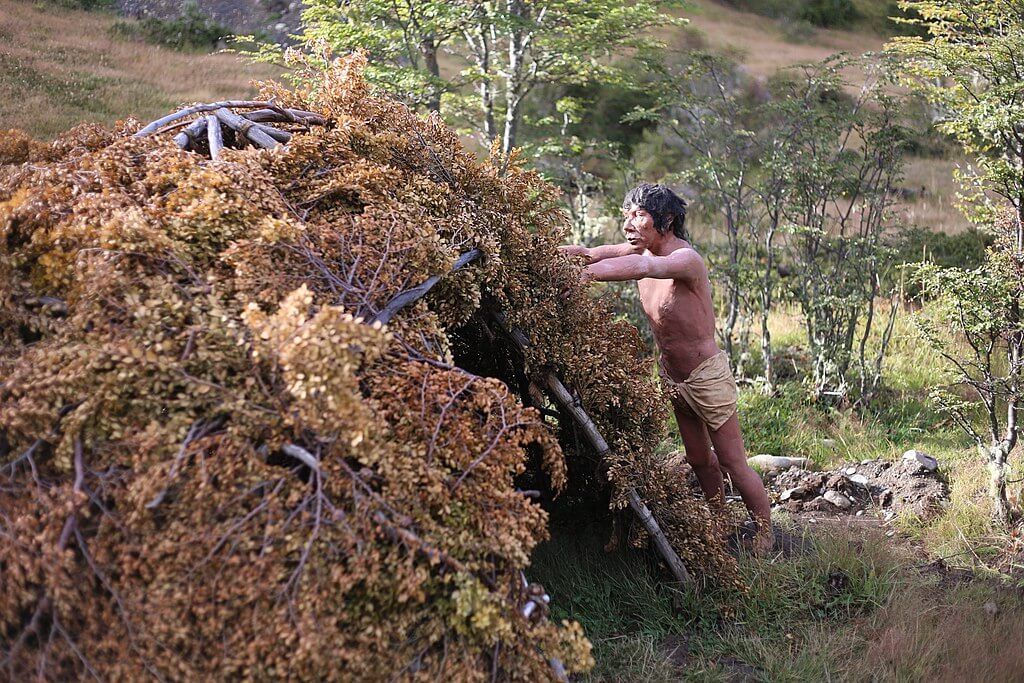
Chile's Fuegian Mariners: The Cultural Richness of the Kawésqar
In the labyrinthine waterways, wind-swept islands, and dramatic fjords of Chilean Patagonia, from the Taitao Peninsula in the north to the Brecknock Peninsula in Tierra del Fuego, lived the Kawésqar (also known as Alacaluf) people. For over 6,000 years, these remarkable sea nomads carved out a unique existence, adapting with astonishing resilience to one of the planet's harshest environments. Their story is a profound narrative of deep connection to the "maritorio"—a territory understood from and in the sea—a testament to their enduring spirit, and a poignant reminder of the fragility of Indigenous cultures in the face of profound external change.
Masters of the Maritime Realm: Life in the Channels
Unlike their terrestrial neighbors, the Kawésqar were true canoe-faring people, their lives centered around the intricate network of channels and archipelagos of western Patagonia. Their distinctive canoes, traditionally crafted from tree bark, were not merely vessels but extensions of their homes, often carrying a small fire built on a clay base for warmth and cooking. This nomadic maritime existence allowed them to effectively exploit the abundant marine resources of their environment.
Their sustenance came primarily from the sea. Kawésqar men were skilled hunters of sea lions, often using harpoons, and also hunted marine birds. Kawésqar women were renowned for their extraordinary ability to dive into the frigid waters, even without modern wetsuits, to collect shellfish. They also utilized raw materials from the forest, such as wood for their canoes and certain plants for medicine and fibers, always practicing a deep respect for nature and taking only what was needed. This intricate knowledge of their "maritorio" allowed them to thrive in a region that bewildered early European explorers, who marveled at how humans could survive in such an unforgiving climate.
The Kawésqar's adaptation to the cold was legendary. Despite temperatures often hovering around freezing and persistent rain or snow, they wore minimal clothing, typically short fur capes over their shoulders. They relied on animal grease, fires in their canoes and on land, and possibly physiological adaptations to maintain body heat. Their deep connection to the water, where borders between sea and land blurred, shaped every aspect of their existence, from their daily routines to their spiritual understanding of the world.
A Rich Cultural Tapestry: Language, Belief, and Social Harmony
The Kawésqar possessed a unique and complex culture, intimately woven into their relationship with the sea. Their language, Kawésqar or Qawasqar, is considered a language isolate, reflecting its ancient and unique lineage. This rich oral tradition contained detailed knowledge of their environment, navigation, and spiritual beliefs. While critically endangered today, with only a handful of elderly native speakers remaining, significant efforts are underway by the Kawésqar community and linguists to document and revitalize it.
Kawésqar society was organized around small, nomadic family groups, driven by the need to follow seasonal food sources. There was no centralized political structure, with decisions often made communally. Their spiritual beliefs were deeply connected to the natural world, recognizing both benevolent and malevolent spirits. They held certain places, known as æjamas, as taboo or sacred, refraining from disturbing them due to beliefs that doing so could worsen weather or hunting prospects, demonstrating an innate, self-enforced conservation ethic. Shamans played a significant role in mediating between the spiritual and physical worlds.
The Catastrophic Encounter: Decline and Dispossession
The arrival of Europeans from the 16th century onwards initiated a tragic decline for the Kawésqar people. While initial contact was sparse, the intensification of sealing, whaling, and eventually, colonization in the 19th and 20th centuries proved devastating. The Kawésqar, like many Indigenous populations, had no immunity to Old World diseases such as tuberculosis, syphilis, measles, and whooping cough. These epidemics ravaged their communities, causing their population to plummet from an estimated 3,700-3,900 individuals before widespread contact to a mere handful by the mid-20th century.
Beyond disease, the Chilean state's efforts to "civilize" and settle the Kawésqar had profound negative impacts. In the 1960s, many nomadic Kawésqar were forcibly settled in concentrated communities, most notably Puerto Edén on Wellington Island. This abrupt change severed their deep connection to their traditional nomadic lifestyle, disrupted their social structures, and accelerated the erosion of their cultural practices and language. Furthermore, the encroachment of modern industries, particularly salmon farming, has threatened their traditional marine territories, impacting marine ecosystems and making it harder for the Kawésqar to maintain their traditional way of life.
A Resilient Future: Preservation and Cultural Revitalization
Despite enduring centuries of immense pressure and near-extinction, the Kawésqar people are a living testament to resilience. Today, while their numbers are small, recognized communities exist primarily in Puerto Edén, Puerto Natales, and Punta Arenas in Chile. There is a strong and active movement among younger Kawésqar generations, working with foundations and conservation organizations, to reclaim and revitalize their cultural heritage.
Efforts include the meticulous documentation and teaching of the Kawésqar language, the revival of traditional crafts like basket weaving, and the promotion of community-based tourism that offers visitors an authentic understanding of Kawésqar history and traditions. The creation of Kawésqar National Park and Kawésqar National Reserve in Chile, honoring the people in their ancestral lands, is a significant step, though ongoing challenges remain regarding their co-management and protection from industrial pressures.
The story of the Kawésqar is not just one of loss, but also of enduring spirit and a powerful call for recognition and respect. They represent a unique and irreplaceable part of humanity's cultural and ecological heritage, teaching us profound lessons about adaptation, sustainability, and the deep, spiritual connection between people and their environment. Their ongoing struggle for cultural survival and the defense of their "maritorio" highlights the global imperative to support Indigenous rights and traditional ecological knowledge.
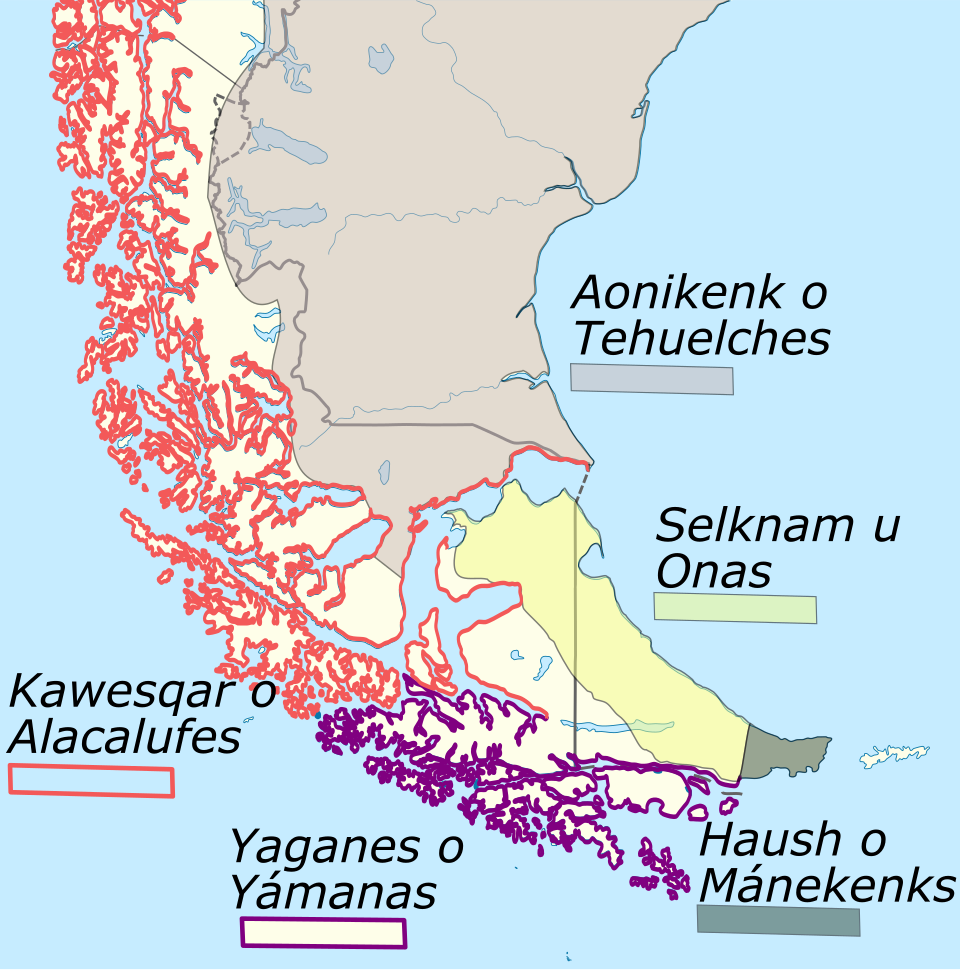
Indigenous peoples of Southern Patagonia.