Indigenous Cultures

At the World's End: The Yahgan People of Tierra del Fuego

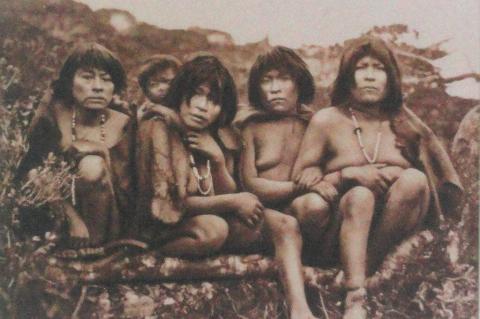
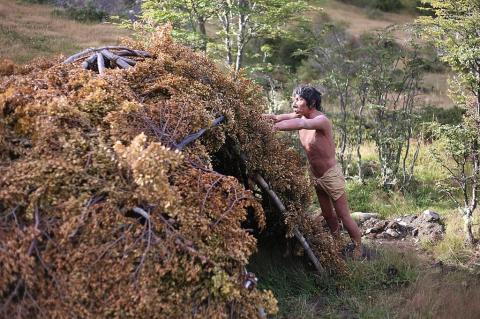
Amidst the labyrinthine channels and windswept islands of Tierra del Fuego, lived the Yahgan (also known as Yámana) people, the world's southernmost Indigenous population. For thousands of years, these remarkable hunter-gatherers, masters of the sea and intimately connected to their harsh environment, thrived in what Europeans later called the "Land of Fire." Their story is one of extraordinary adaptation, profound cultural depth, and, tragically, a near-complete decimation at the hands of colonialism and disease.

Chavín: The Dawn of Andean Civilization

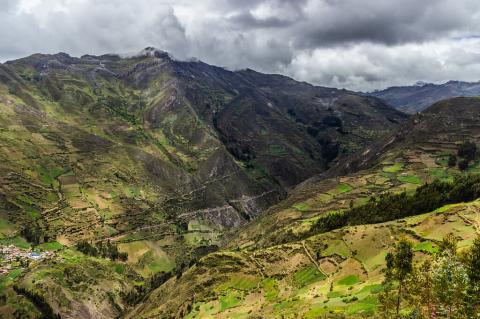
The Chavín culture, one of the earliest and most influential civilizations in the Andes, flourished between approximately 900 and 200 BCE. Centered in the northern highlands of present-day Peru, the Chavín civilization laid the groundwork for many artistic, religious, and political traditions that would shape later Andean societies. Known for its impressive ceremonial centers, sophisticated art, and far-reaching cultural influence, Chavín represents a critical moment in the development of pre-Columbian civilization in South America.

Guardians of the Rainforest: Indigenous Cultures of the Amazon

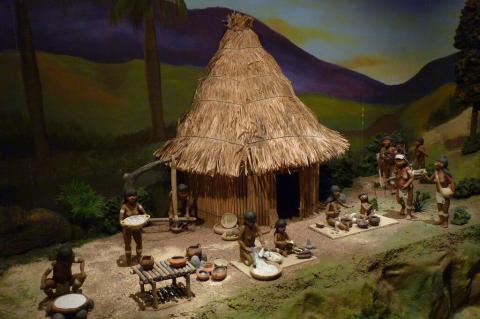
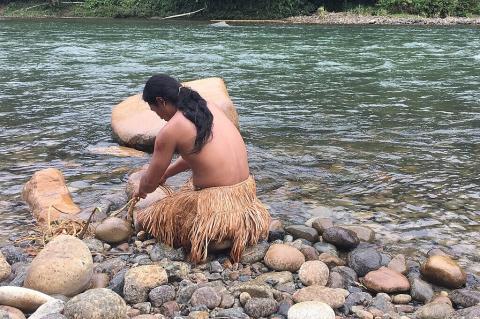
For thousands of years, the Amazon Basin has been home to diverse Indigenous societies that have adapted to one of the most complex and challenging ecosystems on Earth. These groups, spread across present-day Brazil, Peru, Colombia, Venezuela, Ecuador, Bolivia, Guyana, Suriname, and French Guiana, developed sophisticated systems of agriculture, resource management, and cultural expression. Their ways of life have been deeply intertwined with the rainforest, making them the guardians of its biodiversity.

Indigenous Caribbean: The Forgotten Peoples and Their Lasting Impact

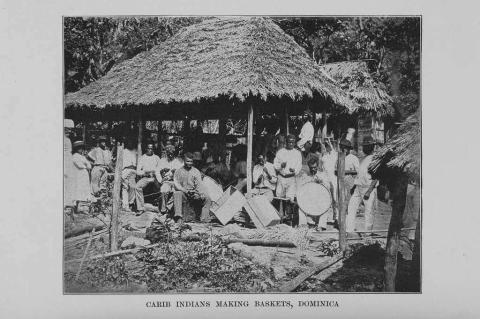
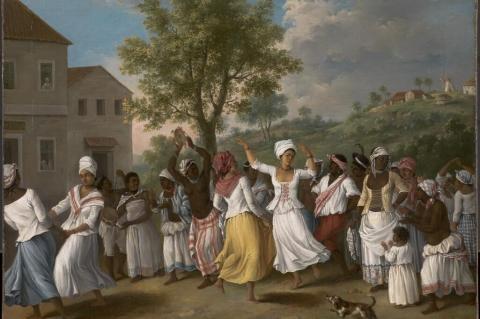
Before European contact, the Caribbean housed diverse Indigenous societies with unique cultures suited to their environments. While the Taíno are the best-known group, others like the Kalinago, Ciboney, Guanahatabey, Guanahacabibe, Garifuna, and Lucayan significantly influenced Caribbean history. These groups occupied various islands, engaged in trade and conflict, and developed distinct economic, social, and spiritual practices. Their legacies endure in the cultures and traditions of the modern Caribbean.

Moche: The Master Craftsmen of Ancient Peru

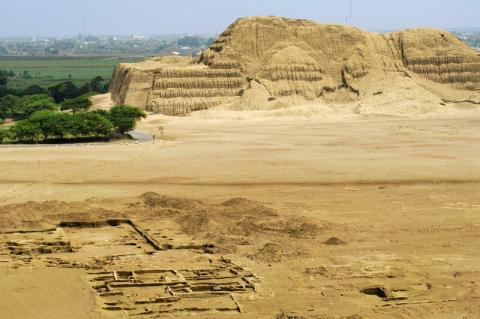
One of the most remarkable pre-Columbian cultures of South America, the Moche civilization thrived along the northern coast of present-day Peru from approximately 100 to 700 CE. Renowned for their advanced irrigation, impressive architecture, and intricate art, the Moche left a rich legacy that continues to captivate archaeologists and historians. Their elaborate ceramics, metalwork, and murals provide a vivid glimpse into their society, offering insights into their religious beliefs, political structure, and daily life.

Sea Nomads of the South: The Enduring Legacy of the Kawésqar People

In the waterways, wind-swept islands, and fjords of Chilean Patagonia, from the Taitao Peninsula to the Brecknock Peninsula in Tierra del Fuego, lived the Kawésqar people. For over 6,000 years, these sea nomads carved out a unique existence, adapting with resilience to one of the planet's harshest environments. Their story is a narrative of connection to the "maritorio"—a territory understood from the sea—a testament to their enduring spirit and a reminder of the fragility of Indigenous cultures in the face of external change.

The Atacameño People: Survivors of the World's Driest Desert

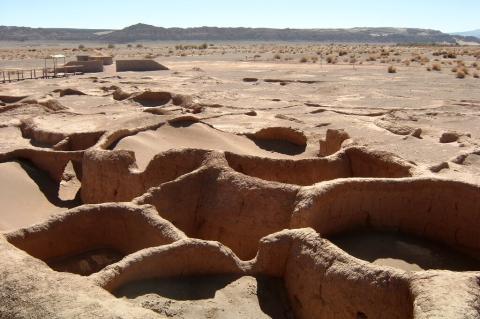
The Atacameño people, also known as the Likan Antai, are an Indigenous group whose history is deeply intertwined with the harsh yet awe-inspiring landscapes of the Atacama Desert in northern Chile. Despite the extreme conditions of their environment, they developed a complex and resilient society that thrived for centuries, demonstrating remarkable ingenuity in agriculture, trade, and spiritual life.

The Aymara People: Guardians of the Andean Highlands

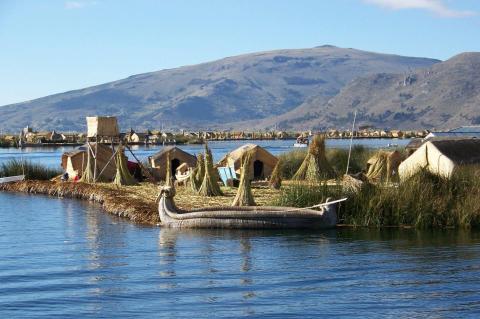
The Aymara people, one of the oldest Indigenous groups of the Andes, have inhabited the high-altitude plains of Bolivia, Peru, and Chile for centuries. Their roots trace back to the ancient Tiwanaku civilization, one of the most influential pre-Columbian societies in South America. With a rich cultural heritage that includes complex agricultural techniques, a distinct language, and a deep spiritual connection to the land, the Aymara have maintained their traditions despite the pressures of colonization and modernization.

The Aztec Civilization: Power, Faith, and Empire in Ancient Mexico

In the centuries before the arrival of the Spanish conquistadors, a complex and powerful civilization flourished in the heart of Mesoamerica. Today, this civilization is known as the Aztec Empire. It was built upon layers of cultural, religious, and political traditions inherited from earlier societies such as the Toltec and the Teotihuacano. By the early 16th century, the Aztecs had constructed one of the most influential empires in the Americas, centered on their magnificent capital of Tenochtitlan.

The Enigmatic and Ancient Chinchorro Culture of Chile

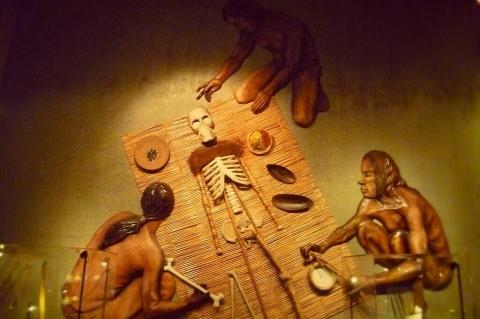
Nestled along the arid coastal regions of northern Chile, the Archaeological Sites of the Chinchorro Culture stand as a testament to one of the oldest and most remarkable pre-Columbian civilizations in the Americas. This unique culture, which thrived for over 5,000 years, has left an indelible mark on the region's rich archaeological heritage, shedding light on the resilience and ingenuity of the human spirit.