Landforms of Colombia

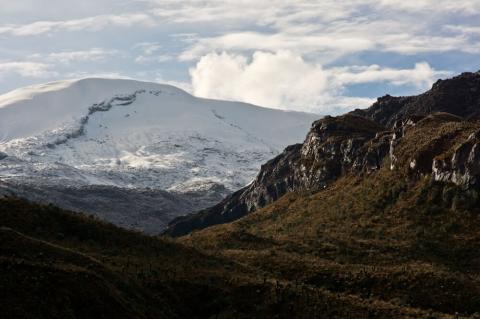
Nevado del Ruiz Volcano: Colombia's Geological Marvel

The formidable Nevado del Ruiz Volcano is nestled within the Cordillera Central of the Colombian Andes, northwest of Bogotá. The large stratovolcano, towering majestically amidst the rugged landscape that harbors diverse ecosystems, is a prominent feature of Los Nevados National Natural Park and a testament to the dynamic forces that shape our planet. Its 1985 eruption was the fourth deadliest in recorded history.

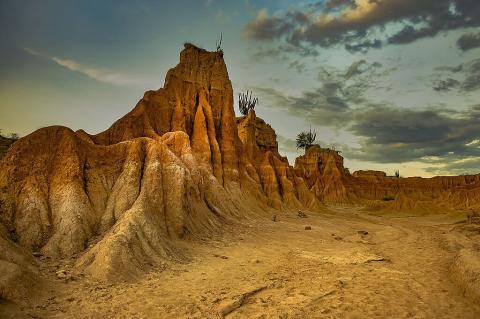
Tatacoa Desert: A Journey into Colombia's Arid Wonderland

Nestled within the heart of central Colombia lies the Tatacoa Desert, a captivating expanse of dry tropical forest known for its otherworldly landscapes and rich paleontological heritage. Despite its name, Tatacoa is not a true desert but a unique ecosystem characterized by rocky canyons, labyrinthine gullies, and vibrant hues of red and grey. Situated in the northern part of the Huila Department, this arid region harbors a wealth of natural wonders and cultural significance.

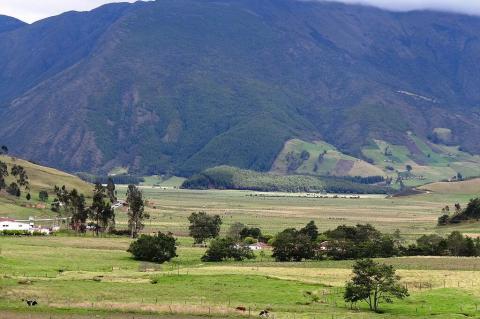
The Altiplano Cundiboyacense: Ancient Territory of the Muisca Civilization

The Altiplano Cundiboyacense is a high plateau in the Colombian Andes, spanning the departments of Cundinamarca and Boyacá. It is the birthplace of the Muisca civilization, whose influence on Colombian culture and the environment is still felt today. The region is renowned for its natural beauty and rich history, which continues to fascinate and inspire people worldwide.

The Chicamocha Canyon and National Park: Colombia's Natural Wonder

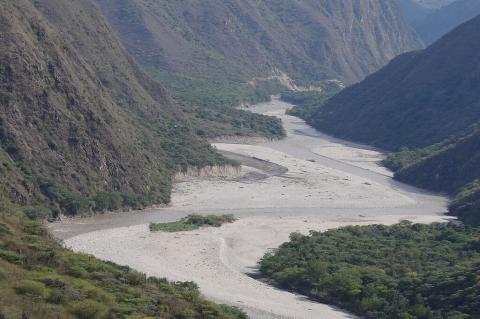
Nestled within the rugged Andes Mountains of northern Colombia, the Chicamocha Canyon is a testament to nature's awe-inspiring power and beauty. This colossal geological wonder, carved over eons by the relentless forces of the Chicamocha River, is among the largest canyons in the world. Encompassing a vast area, the canyon's immense depths reveal a breathtaking landscape of towering cliffs, winding rivers, and diverse ecosystems. Chicamocha National Park lies within the canyon.

The Colombian Andes: A Confluence of Nature and Civilization

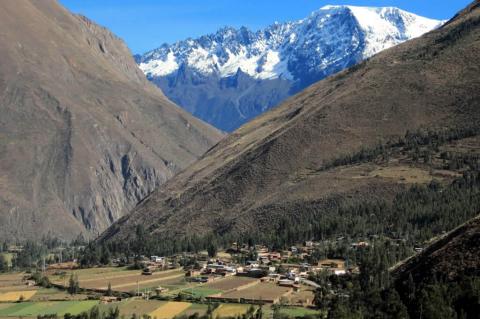
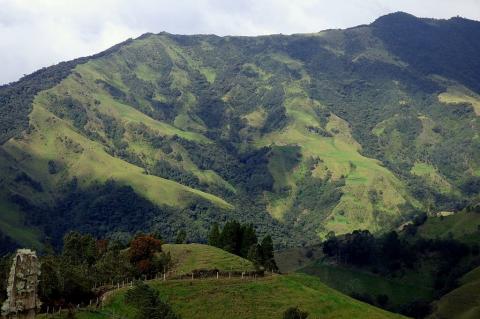
The Colombian Andes are a fascinating and complex part of the Andean mountain system, representing the northern extension of this vast range stretching along South America's western coast. The Andes divide into three parallel mountain chains in Colombia: the Cordillera Occidental, the Cordillera Central, and the Cordillera Oriental. The Andean Natural Region, encompassing these mountain ranges, is Colombia's most populous natural region, hosting many urban centers and significant pre-Columbian settlements.

The Guiana Shield: A Billion-Year Legacy of Stone and Life

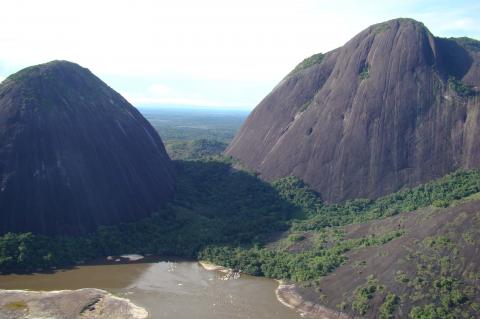
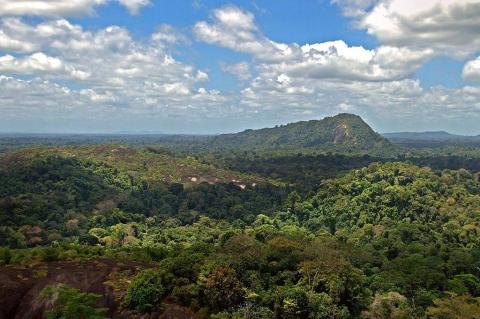
Draped across the northeastern corner of South America, the Guiana Shield stands as a profound testament to the Earth's deep history, a geological and ecological symphony played out over eons. Forged in the fiery depths of the Precambrian eon, dating back an astonishing 1.7 billion years, this ancient geological formation forms a stable craton, a foundational block of the South American Plate, shaping the very bedrock and landscapes of Guyana, Suriname, French Guiana, Venezuela, Colombia, and Brazil.

The Icy Giants of the Colombian Andes: Exploring the Sierra Nevada de Güicán, El Cocuy, and Chita

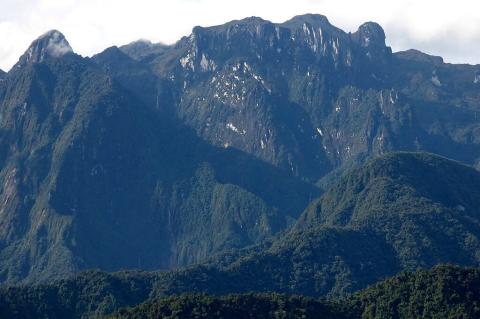
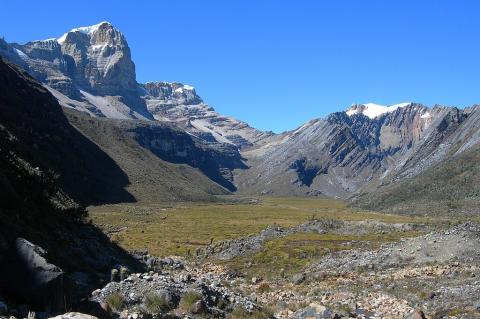
The Sierra Nevada de Güicán, El Cocuy, and Chita is a breathtaking range within the Andes Mountains of Colombia. This range, known for its stunning snow-capped peaks and glacial landscapes, is Colombia's largest glacial mass and the largest in South America north of the equator. This range holds deep cultural significance for the indigenous U'wa people and is a haven for biodiversity. Its awe-inspiring beauty and ecological and cultural importance make it one of Colombia's most treasured natural landmarks.

The Orinoco River: South America's Arc of Life

The Orinoco River, one of South America's largest and most significant rivers, winds through Venezuela and Colombia, serving as a crucial waterway for transportation and sustenance. Originating in the Sierra Parima mountains of the Guiana Highlands, the Orinoco flows through some of the most biodiverse and ecologically important regions in northern South America before reaching its vast delta and emptying into the Atlantic Ocean. The river and its basin are vital natural resources, supporting rich ecosystems, indigenous cultures, and human populations.

The Río Negro: Majestic Heart of the Amazon

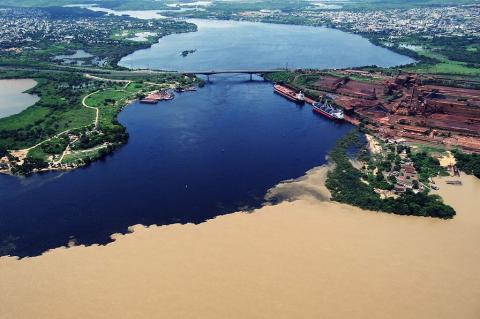
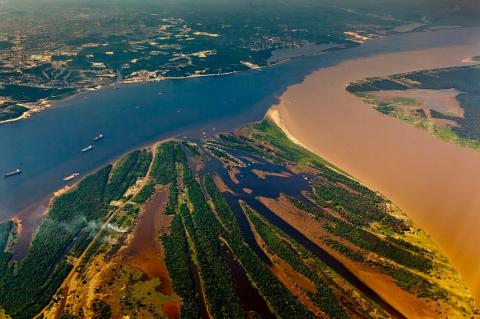
Flowing majestically through the heart of the Amazon rainforest, the iconic Río Negro stands as one of the most significant tributaries of the mighty Amazon River. Renowned for its distinctive blackwater and immense size, the Río Negro is not only a vital component of the Amazon basin but also a captivating natural wonder that draws explorers and adventurers from around the globe.

The San Andrés Archipelago: Colombia's Caribbean Paradise

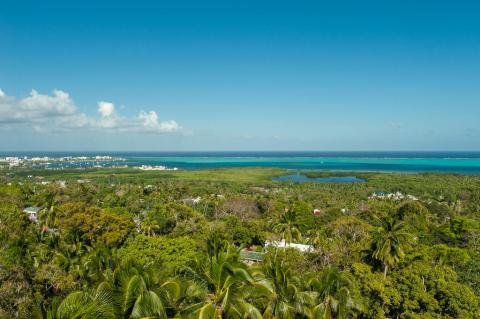
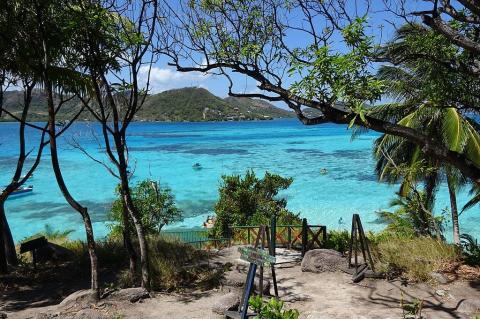
The Archipelago of San Andrés, Providencia, and Santa Catalina is a stunning collection of islands in the Caribbean Sea's western sector, belonging to the Republic of Colombia. The archipelago is a unique and captivating destination known for its rich history, vibrant culture, and incredible biodiversity. With its crystal-clear waters, lush landscapes, and warm, welcoming communities, this region is a true gem of the Caribbean.