
San Salvador: The Resilient Heart of El Salvador
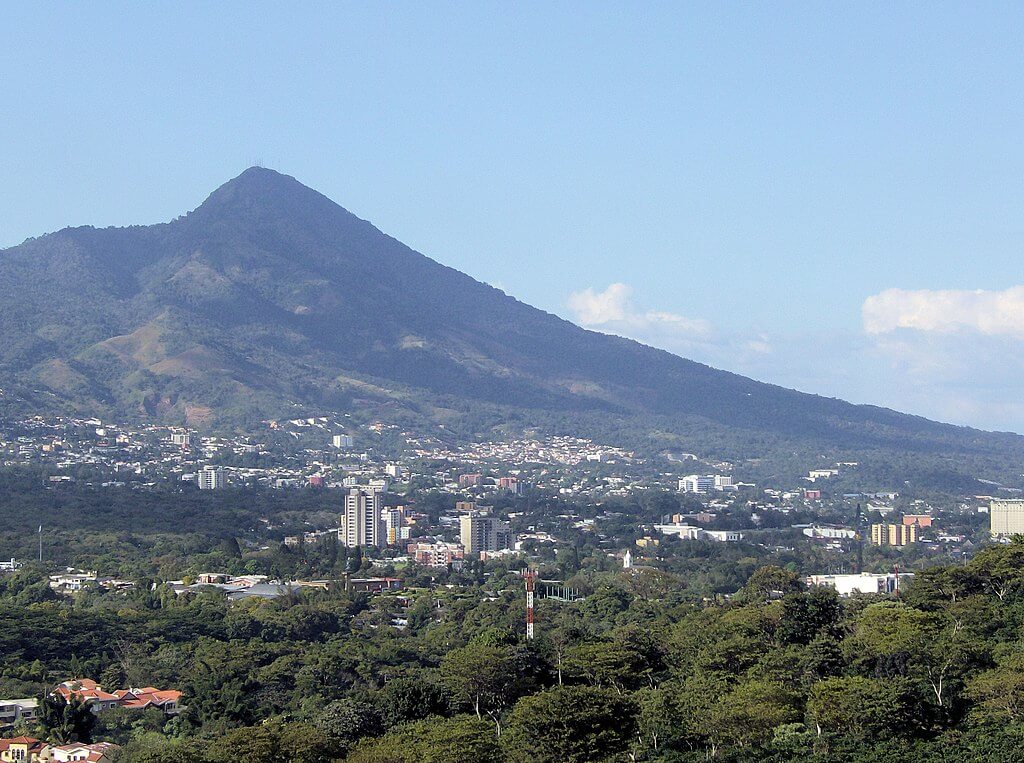
San Salvador, El Salvador's capital, is a resilient and dynamic city that serves as the country's political, cultural, and economic center. Nestled in the Valley of the Hammocks and surrounded by volcanic peaks, this city is a bustling metropolis that reflects the nation's rich cultural heritage.

The Pulse of El Salvador: Exploring San Salvador
San Salvador, the capital of El Salvador, is a city defined by its resilience and dynamism. As the country's political, cultural, and economic hub, San Salvador plays a critical role in the heart of the Central American Isthmus. Nestled in the Valley of the Hammocks and surrounded by volcanic peaks, this city has seen centuries of growth, turmoil, and renewal. Today, San Salvador is a bustling metropolis that reflects the nation's rich cultural heritage and aspirations for the future.
Historical Overview of San Salvador
Early History and the Indigenous Peoples
San Salvador's history dates back to its roots as a settlement for the Pipil people, an Indigenous group that inhabited the region long before the arrival of Spanish colonizers. Known for their agricultural prowess and trade networks, the Pipil established important regional urban centers, including Cuzcatlán, near present-day San Salvador. Their influence can still be felt in the city's culture and traditions and the region's archaeological sites.
Colonial Era and Founding of San Salvador
San Salvador was officially founded in 1525 by Spanish conquistador Pedro de Alvarado. Initially established as a colonial outpost, it quickly grew in importance due to its strategic location in the fertile valley, which provided ample resources for agriculture. Throughout the colonial period, San Salvador became a regional center for commerce and governance. The city played a central role in the independence movement of Central America, contributing to the broader struggle for liberation from Spanish rule in the early 19th century.
20th Century to Present: Growth and Turbulence
San Salvador's growth accelerated in the 20th century, marked by urbanization and modernization efforts. However, the city also experienced political and social unrest, particularly during El Salvador's civil war from 1979 to 1992. The conflict left a deep imprint on the city, but since the signing of peace accords in 1992, San Salvador has been undergoing a process of recovery and transformation. Today, it is a bustling urban center with modern infrastructure, a thriving business district, and an expanding cultural scene.
San Salvador as a Modern Capital
City Layout and Infrastructure
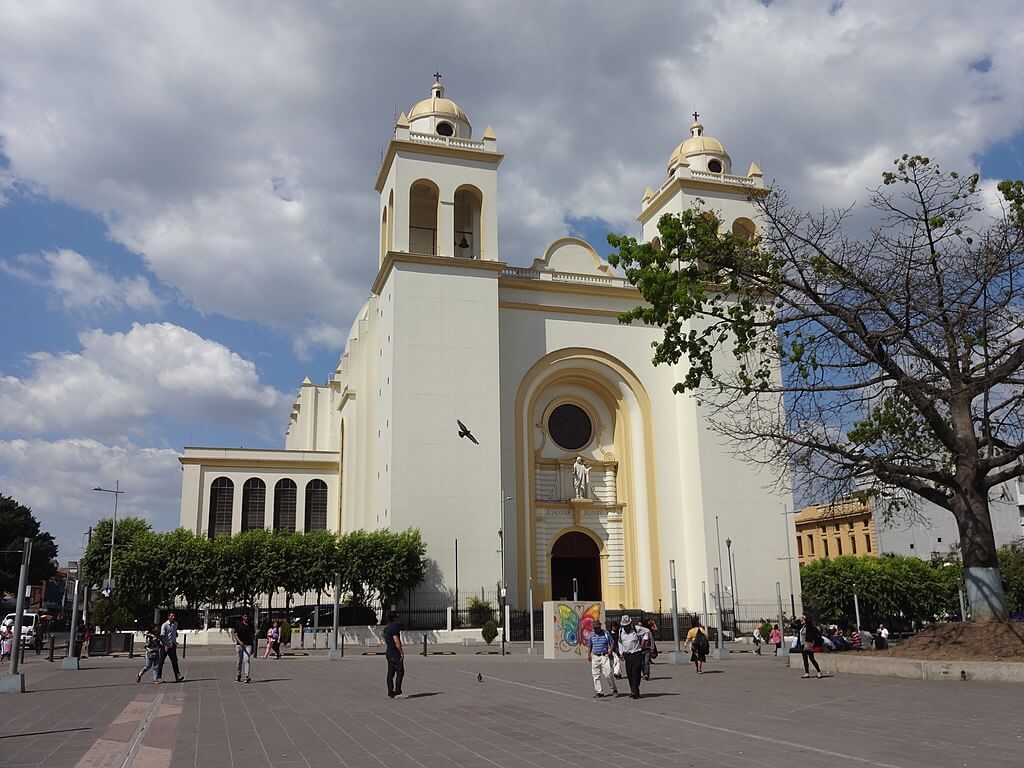
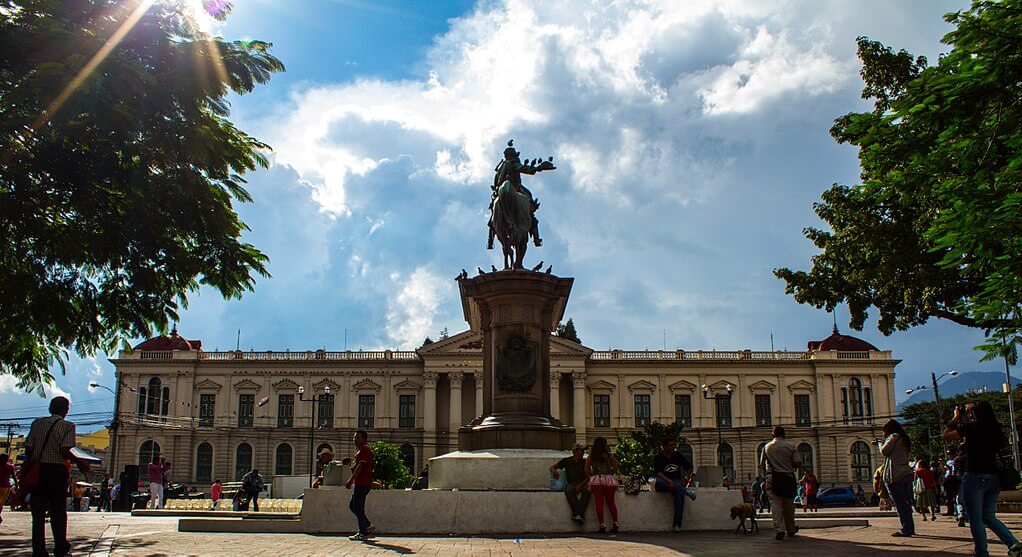
San Salvador is divided into several distinct districts, each offering its unique flavor of city life. The historic downtown area, known as "El Centro," is home to many of the city's most important landmarks, such as the Metropolitan Cathedral, the National Palace, and the Plaza Libertad. Though some parts of the downtown area have fallen into disrepair, recent efforts to revitalize the district have restored historic buildings and created new cultural spaces.
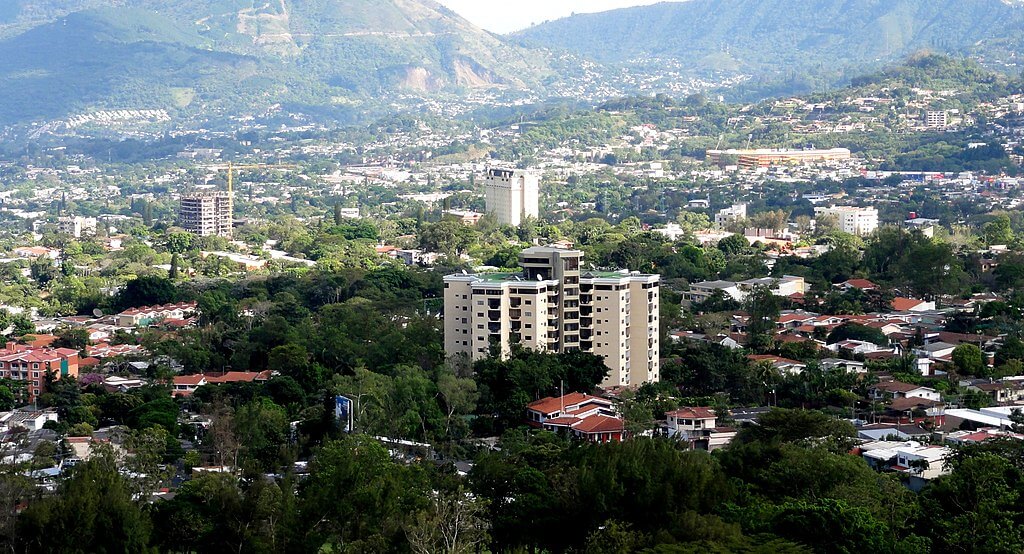
To the west, neighborhoods like Colonia Escalón and San Benito have emerged as affluent districts, home to upscale shopping centers, restaurants, and luxury residences. These areas are also where many of the city's international businesses and embassies are located, making them important hubs for commerce and diplomacy.
San Salvador's transportation system constantly evolves to accommodate the city's growing population. The city has a network of buses and a developing rapid transit system, while major highways connect San Salvador to other parts of the country. La Monseñor Óscar Arnulfo Romero International Airport, located about 40 km (25 mi) south of the city, is the country's primary gateway for international travel.
Economic Center of El Salvador
San Salvador is El Salvador's economic engine. The city's financial district, located in the west, is home to major banks, corporations, and government institutions. San Salvador plays a crucial role in the country's economy, driving commerce, finance, and services. The growing influence of multinational corporations, coupled with El Salvador's adoption of the US dollar in 2001, has further cemented the city's status as a regional business hub.
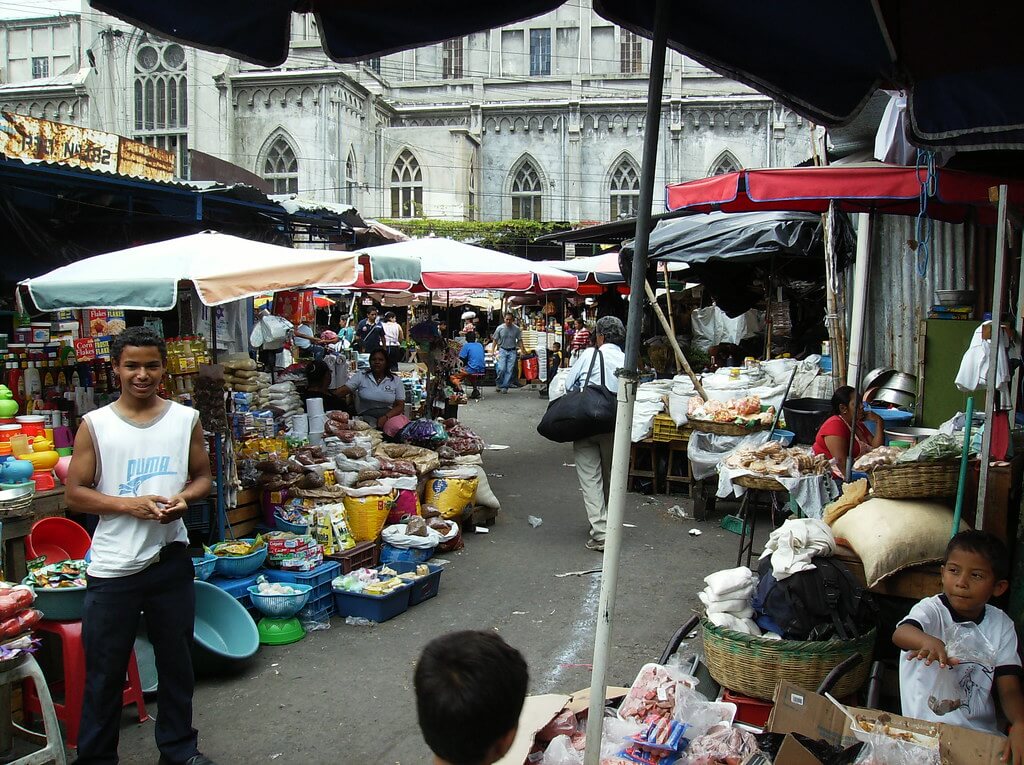
Small businesses, street vendors, and informal markets contribute significantly to the city's economy. Traditional markets like Mercado Central and Mercado Ex-Cuartel are lively centers of commerce where visitors can find everything from fresh produce to handmade crafts. These markets provide a glimpse into the daily life of Salvadorans and the vibrant, community-oriented economy that thrives alongside larger industries.
Cultural Life in San Salvador
Museums and Cultural Institutions
San Salvador is home to several cultural institutions celebrating the ancient and modern aspects of the Salvadoran identity. The Museo Nacional de Antropología David J. Guzmán (MUNA) is one of the city's premier museums, offering a comprehensive look at El Salvador's history, archaeology, and anthropology. The museum's collection spans the pre-Columbian era, providing insight into the Indigenous cultures that shaped the region long before European contact.
Another cultural landmark is the Museo de Arte de El Salvador (MARTE), which showcases the works of Salvadoran and Latin American artists. The museum highlights the evolution of Salvadoran art, from colonial religious paintings to contemporary works that reflect the country's complex social and political history.
Festivals and Traditions
San Salvador is also a city of festivals, with celebrations that highlight the country's religious and cultural heritage. One of the most important festivals is the Fiestas Agostinas, held in early August in honor of the city's patron saint, the Divine Savior of the World. This week-long celebration includes religious processions, parades, music, and street fairs that bring the city to life.
Semana Santa (Holy Week) is another significant event, celebrated with elaborate religious ceremonies and processions. The streets of San Salvador fill with locals and tourists who come to witness the dramatic reenactments of biblical scenes. These festivals offer a unique window into the deeply rooted traditions of Salvadoran society.
Challenges Facing San Salvador
Urbanization and Inequality
As San Salvador continues to grow, it faces several challenges related to rapid urbanization. The city's population has expanded significantly, leading to overcrowding, traffic congestion, and inadequate housing. Informal settlements have sprung up on the city's outskirts, where access to basic services like clean water, sanitation, and education can be limited.
Economic inequality is another major concern, as there is a stark contrast between the affluent neighborhoods in the west and the impoverished areas on the city's periphery. Efforts to reduce poverty and improve living conditions for the city's most vulnerable populations remain a key focus for local authorities and non-governmental organizations.
Crime and Violence
San Salvador has long struggled with high levels of crime and violence, primarily linked to gang activity and drug trafficking. However, in recent years, the government has implemented various initiatives to reduce crime, improve public safety, and promote social development. While progress has been made in certain areas, crime continues challenging the city's development.
Environmental Concerns
Natural Disasters
San Salvador's location in a seismically active region makes it particularly vulnerable to natural disasters, including earthquakes and volcanic eruptions. The nearby San Salvador Volcano looms over the city, and although it has been dormant for many years, its presence is a constant reminder of the area's geological activity. Additionally, the city's position in the Valley of the Hammocks makes it prone to flooding during the rainy season.
Environmental Sustainability
Efforts to promote environmental sustainability are gradually gaining momentum in San Salvador. Urban green spaces such as Parque Cuscatlán offer residents a place to relax and escape the urban sprawl. Additionally, initiatives to improve waste management and reduce pollution are being implemented to address the city's environmental challenges.
Conclusion
San Salvador embodies El Salvador's resilience and spirit. From its ancient roots as a Pipil settlement to its role as the nation's modern economic and cultural heart, San Salvador reflects both the challenges and opportunities of a developing metropolis. The city's rich cultural life, thriving economy, and ongoing efforts to address social and environmental concerns make it a dynamic capital that continues to evolve. As San Salvador moves forward, it symbolizes the country's determination to overcome adversity and build a brighter future.
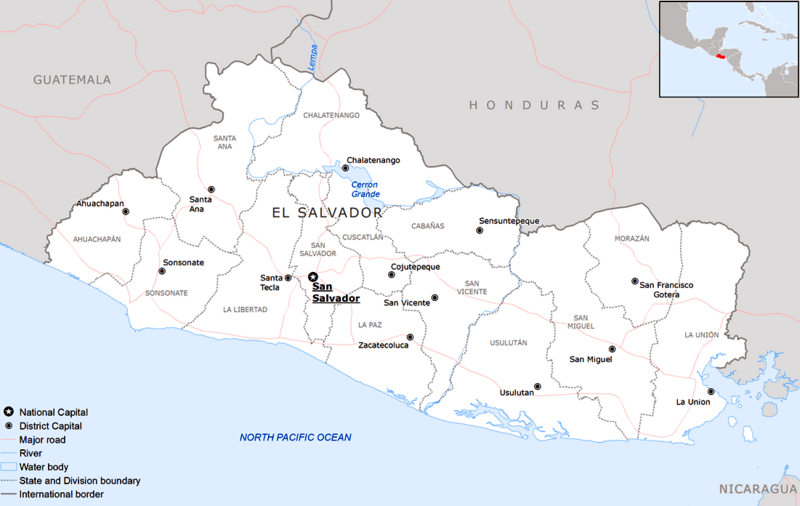
El Salvador and San Salvador location map.