
Corcovado National Park: Costa Rica's Biodiversity Epicenter in the Mesoamerican Corridor
Corcovado National Park, on Costa Rica's Osa Peninsula, is one of the most remarkable conservation achievements in the Western Hemisphere. It encompasses the world's most biologically diverse ecosystems and serves as a Pacific coast anchor within the Mesoamerican Biological Corridor.
The Osa Peninsula's Crown Jewel: Corcovado National Park
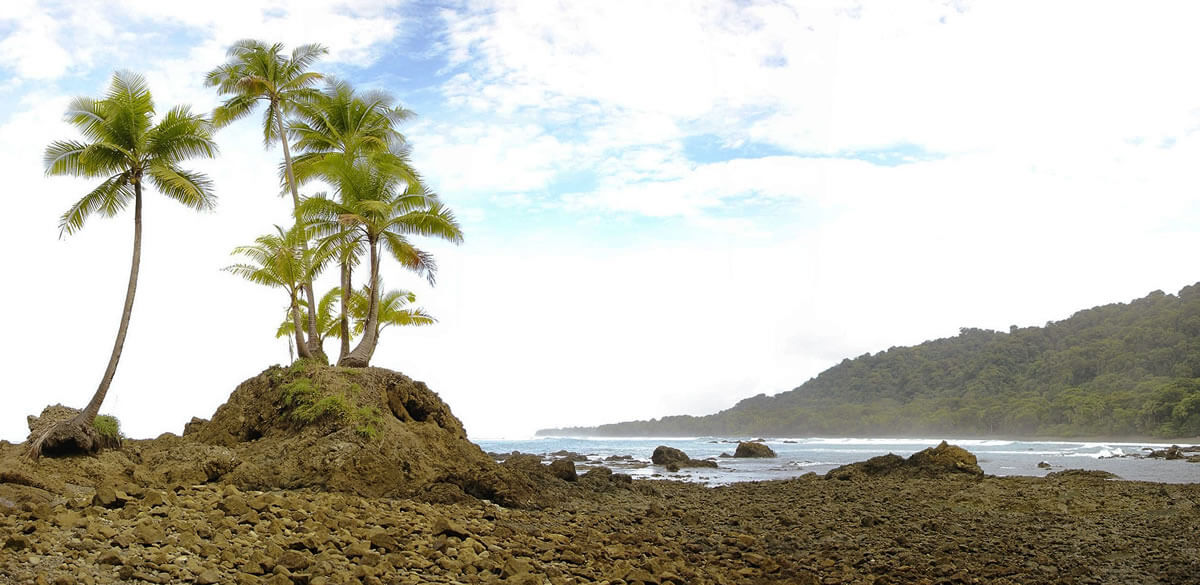
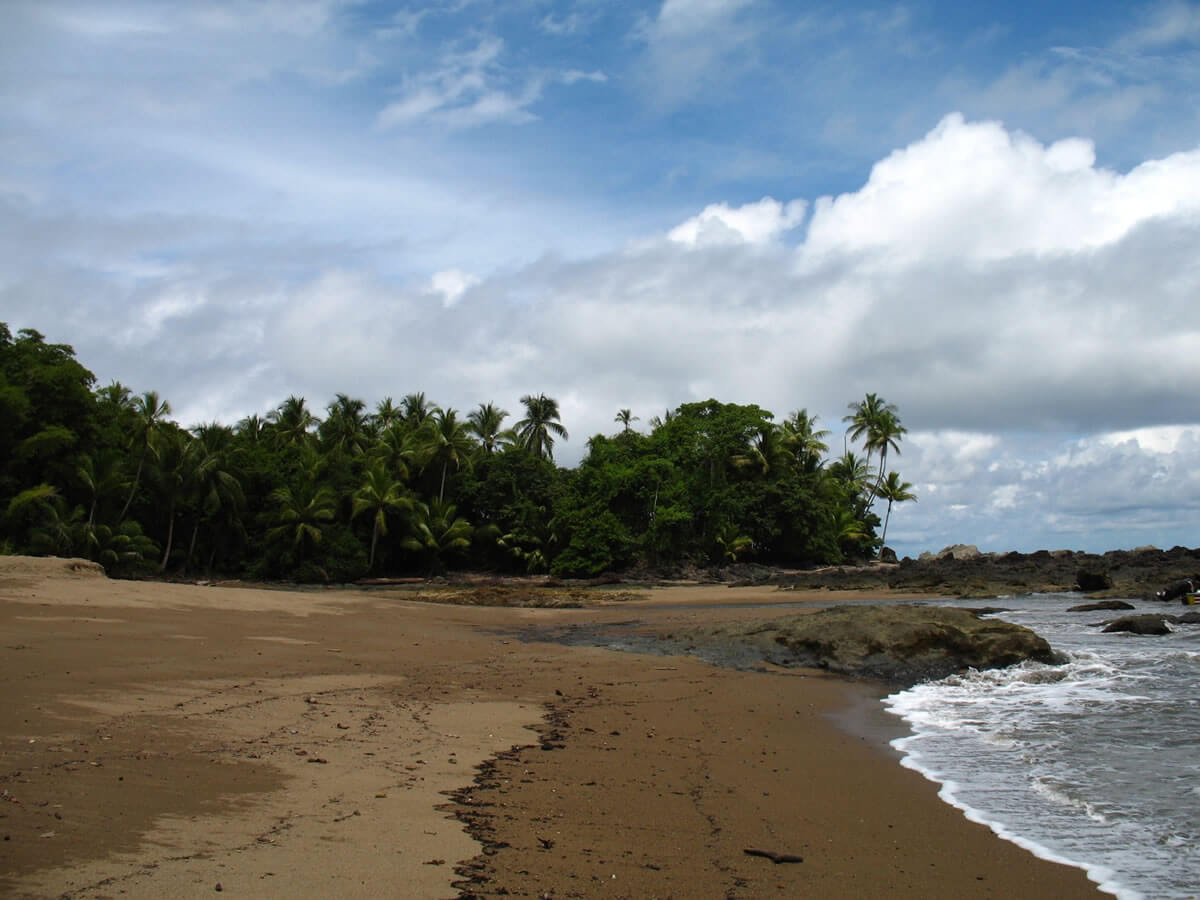
On Costa Rica's remote Osa Peninsula, where pristine beaches meet impenetrable rainforests and the Pacific Ocean laps against shores where jaguars still hunt at twilight, lies one of the most extraordinary conservation achievements in the Western Hemisphere. Corcovado National Park, encompassing 42,400 hectares (104,767 acres) of the world's most biologically intense ecosystems, represents far more than Costa Rica's largest national park—it serves as a crucial anchor point for the Pacific coast within the Mesoamerican Biological Corridor.
National Geographic's designation of Corcovado as "the most biologically intense place on Earth" reflects the park's remarkable achievement of protecting 3% of the world's total biodiversity within less than 0.03% of the planet's surface area. This extraordinary concentration of life exists due to Costa Rica's unique position as part of the "land bridge" connecting North and South America, creating a biological corridor where species from the two continents converge in spectacular diversity.
Within the broader context of the Mesoamerican Biological Corridor, Corcovado serves as an irreplaceable reservoir of lowland Pacific coast biodiversity, protecting the largest remaining tract of primary tropical wet forest on Central America's Pacific coast. The park's position linking highland forests with marine ecosystems makes it essential for maintaining connectivity across Costa Rica's complex topography while providing critical habitat for species that depend on both terrestrial and marine environments.
The Last Lowland Wilderness: Ecosystems from Mountains to Sea
Corcovado National Park showcases a remarkable spectrum of tropical ecosystems within a relatively compact area, ranging from pristine beaches and coastal lagoons to primary rainforest and montane slopes reaching 745 meters (2,444 feet) at Cerro Rincón. This topographical diversity creates thirteen major ecosystems that support an extraordinary concentration of species within the world's most threatened habitat type: lowland tropical rainforest.
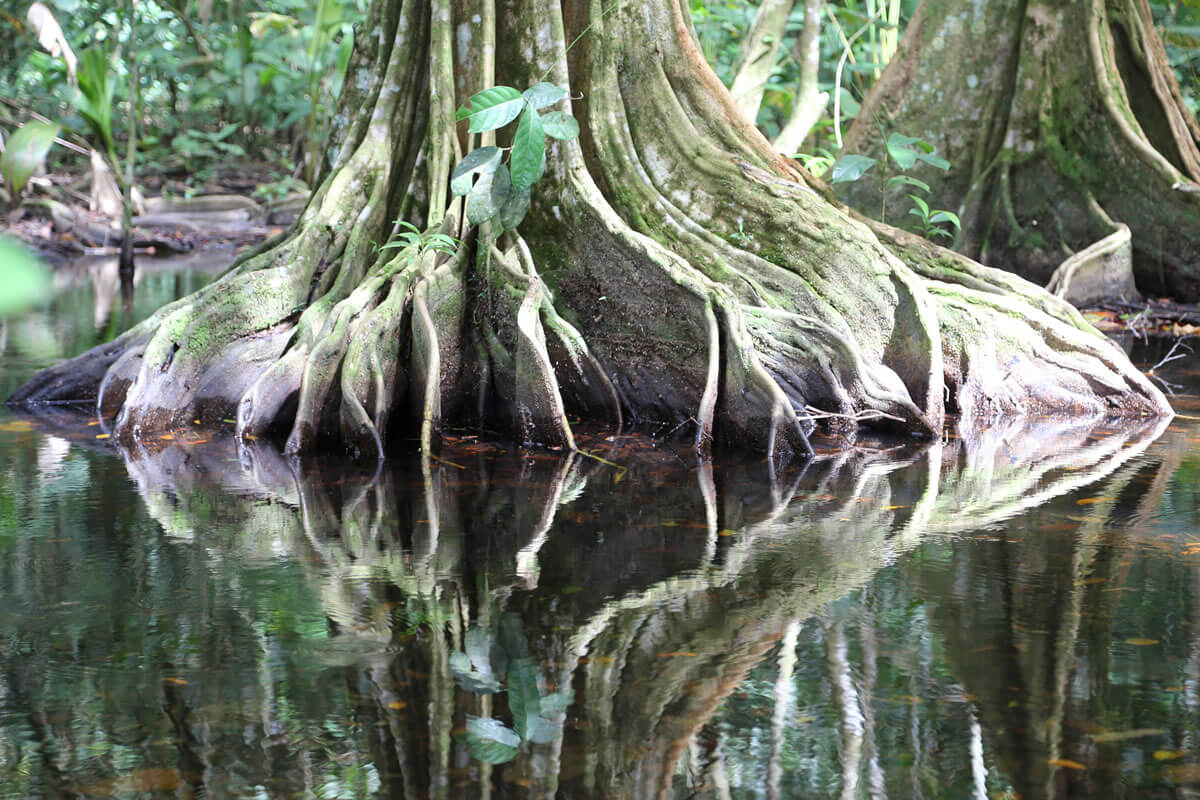
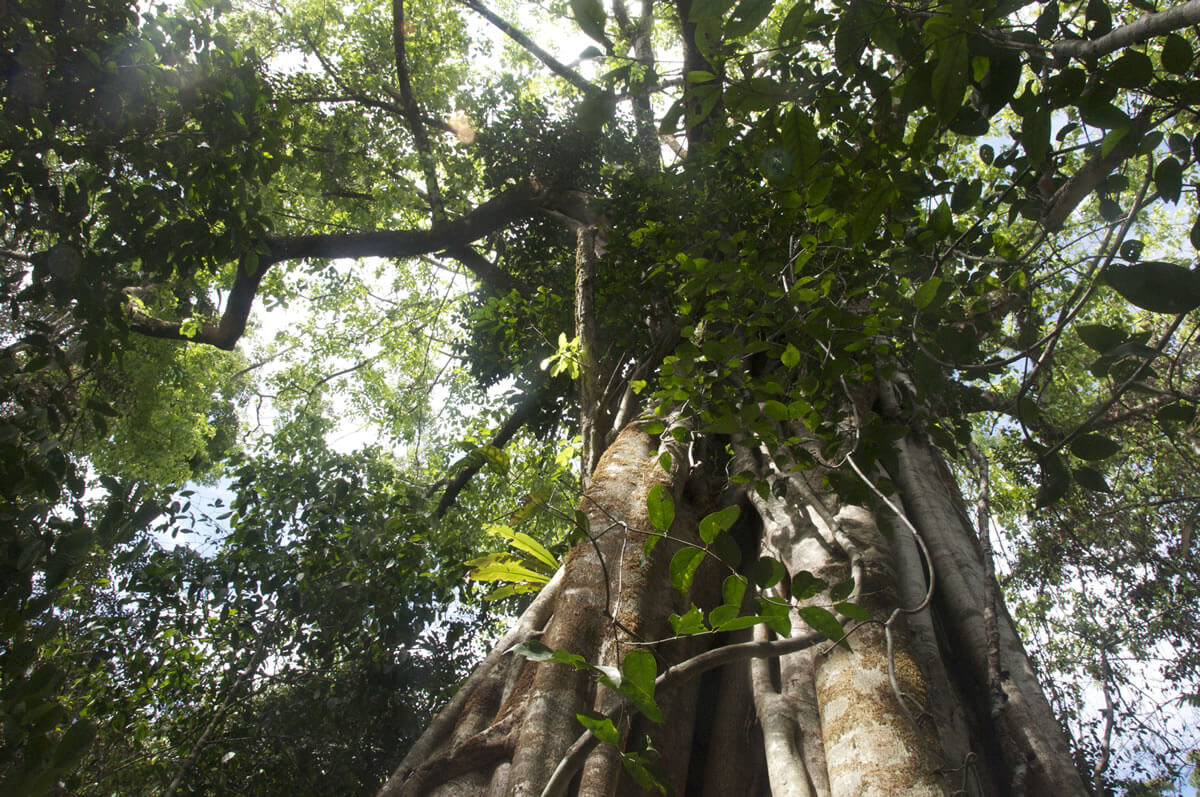
The park's primary forests represent some of the last remaining examples of Pacific lowland rainforest in Central America, dominated by massive emergent trees, including Ceiba pentandra, Dipteryx panamensis (also known as almendro), and Lecythis ampla. These towering giants, some reaching heights of 50 to 60 meters (164 to 197 feet), create a cathedral-like canopy that supports over 500 tree species, providing the structural foundation for countless epiphytes, lianas, and understory plants.
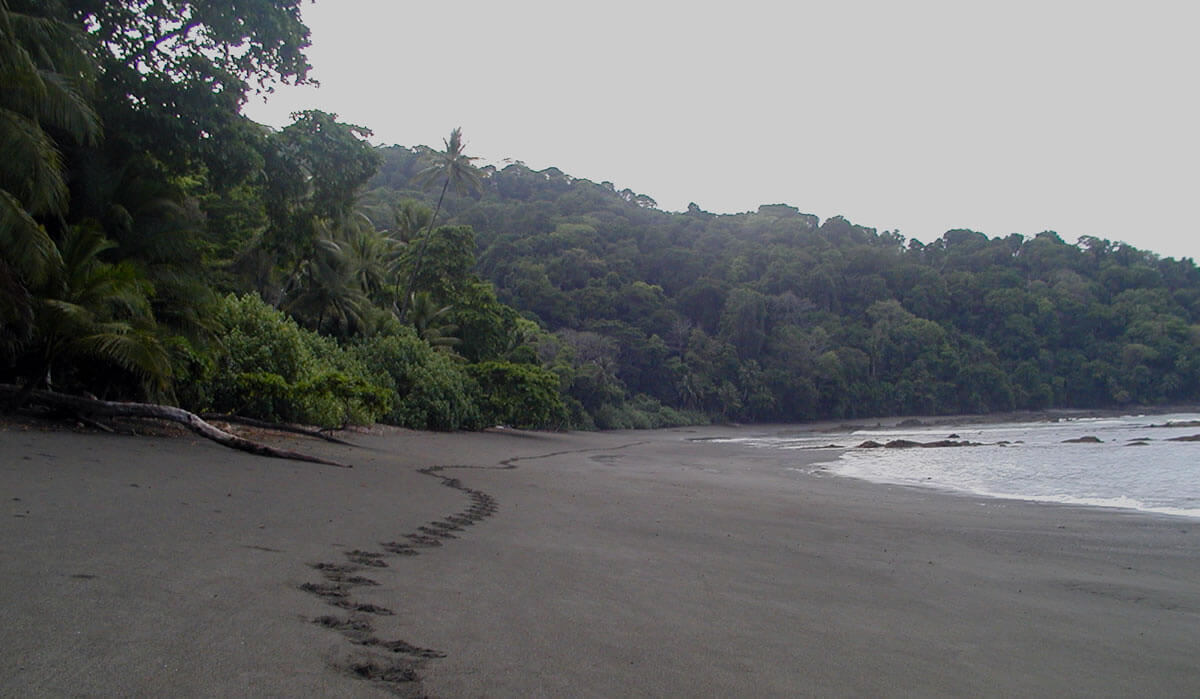
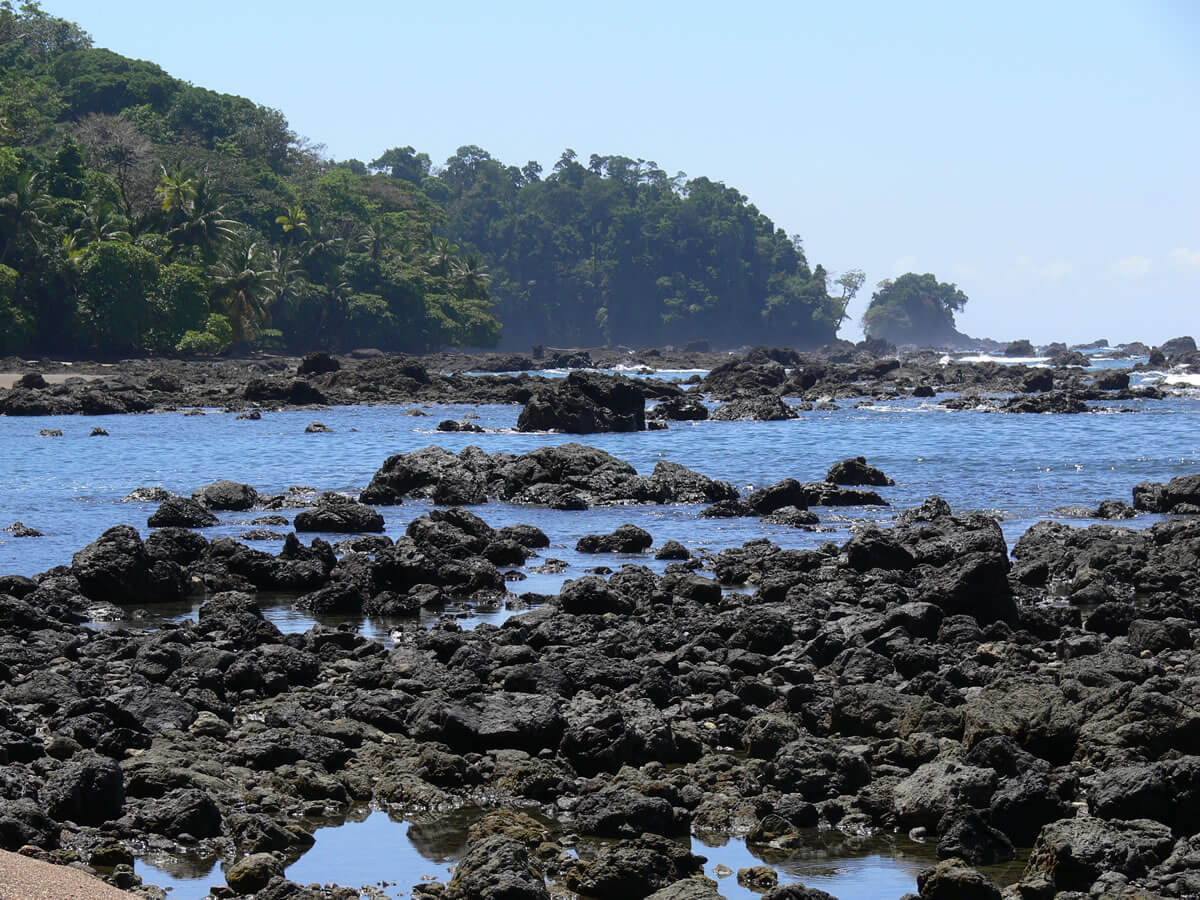
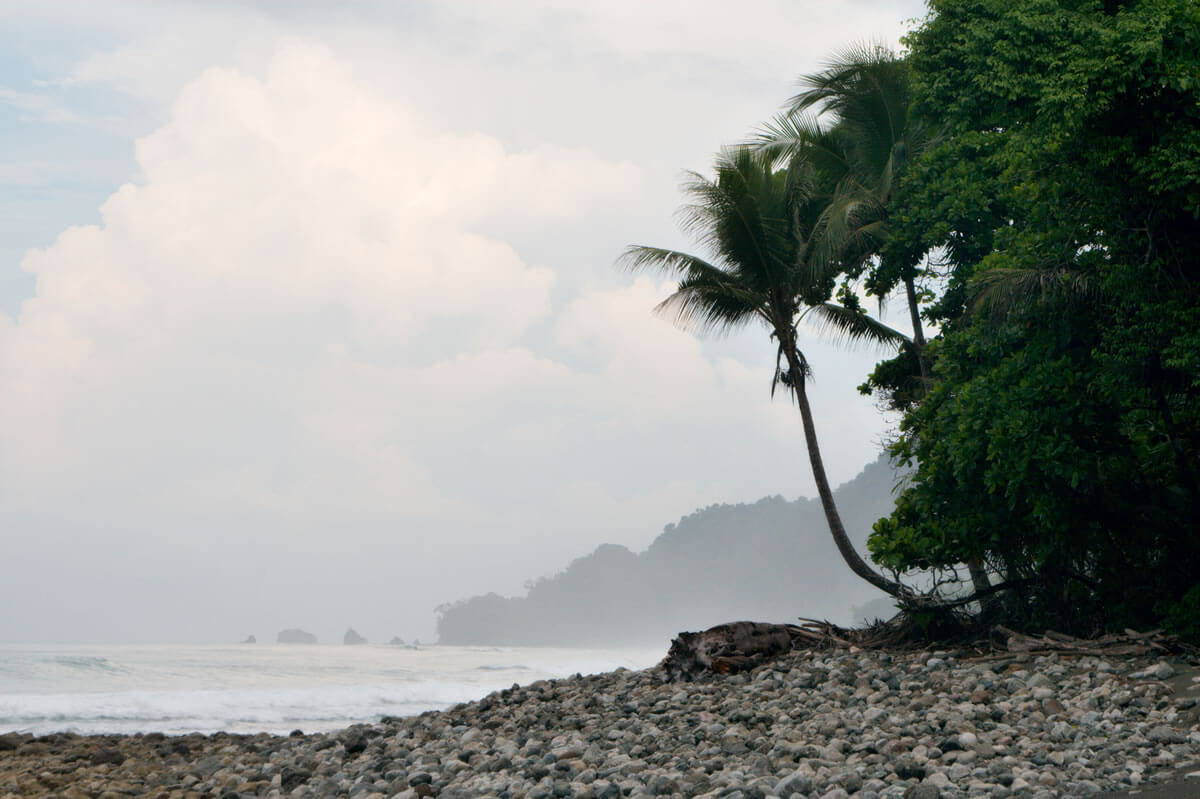
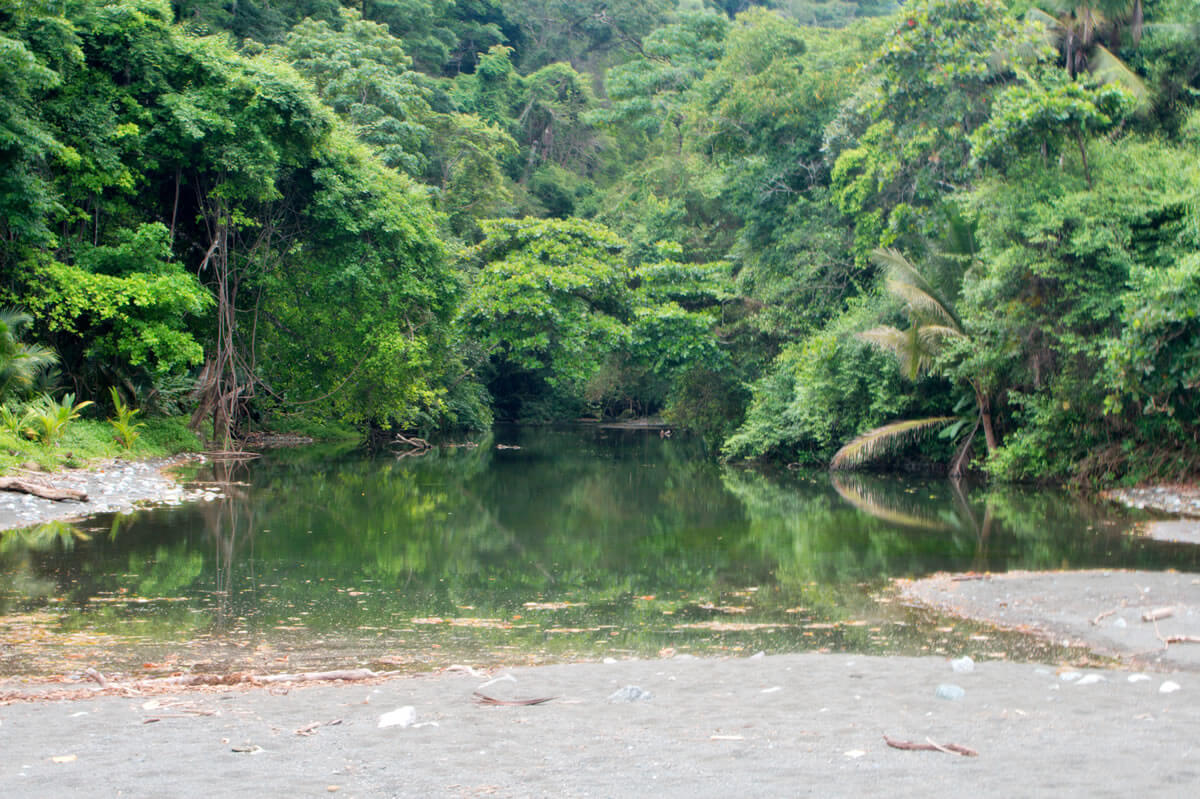
The park's freshwater ecosystems, including the Sirena, Pavo, and Claro rivers, create critical corridors through the forest while supporting unique aquatic communities. These rivers flow directly into the Pacific Ocean, creating estuarine environments where fresh and saltwater species interact. The coastal zone encompasses pristine beaches essential for sea turtle nesting, rocky intertidal areas supporting diverse marine invertebrate communities, and coral reefs that extend the park's biodiversity into marine environments.
Mangrove forests along the coast provide crucial nursery habitat for numerous marine species while serving as breeding grounds for waterbirds and supporting unique plant communities adapted to saltwater conditions. These coastal wetlands demonstrate the seamless integration of terrestrial and aquatic ecosystems that makes Corcovado essential for comprehensive biodiversity conservation.
Biodiversity Sanctuary of Global Significance
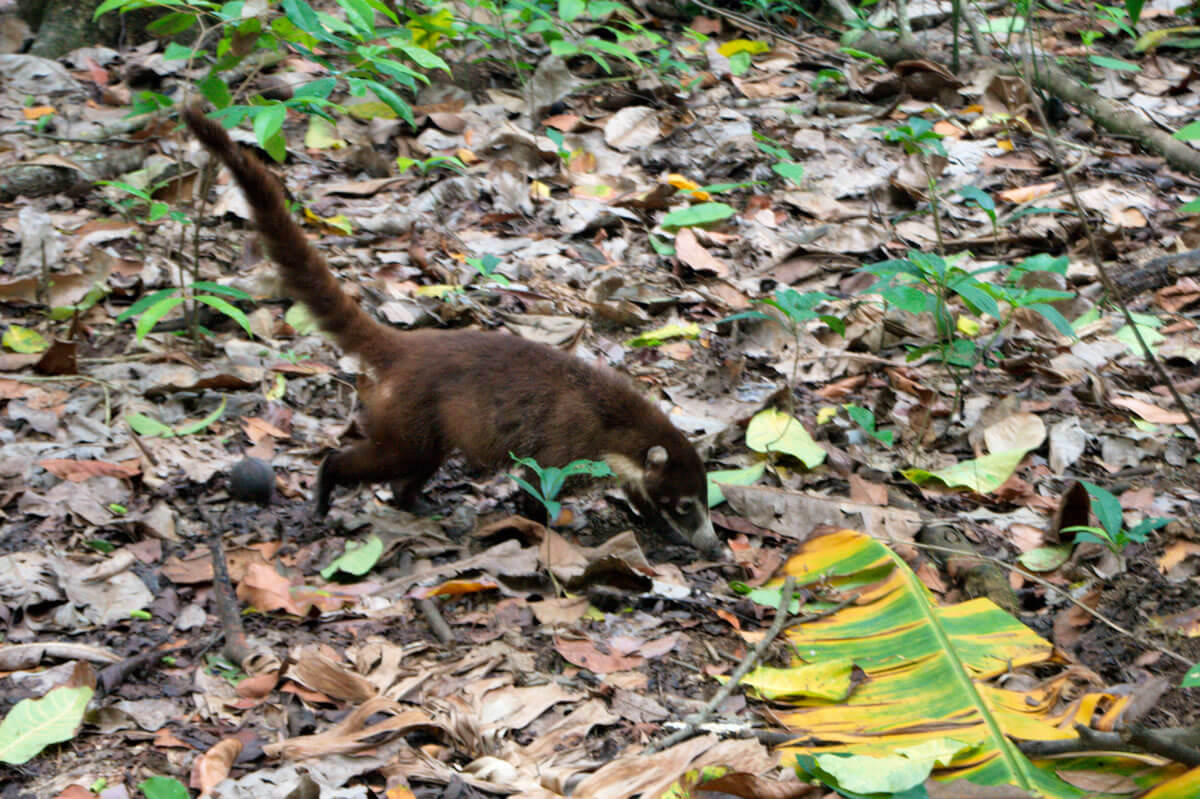
Corcovado National Park harbors one of the most spectacular assemblages of Neotropical wildlife found anywhere in Central America, supporting 140 mammal species, more than 400 bird species, 61 freshwater fish species, 71 reptile species, 46 amphibian species, and over 8,000 insect species. This remarkable diversity reflects the park's position at the convergence of multiple biogeographic zones and its protection of complete habitat gradients from sea level to montane forests.
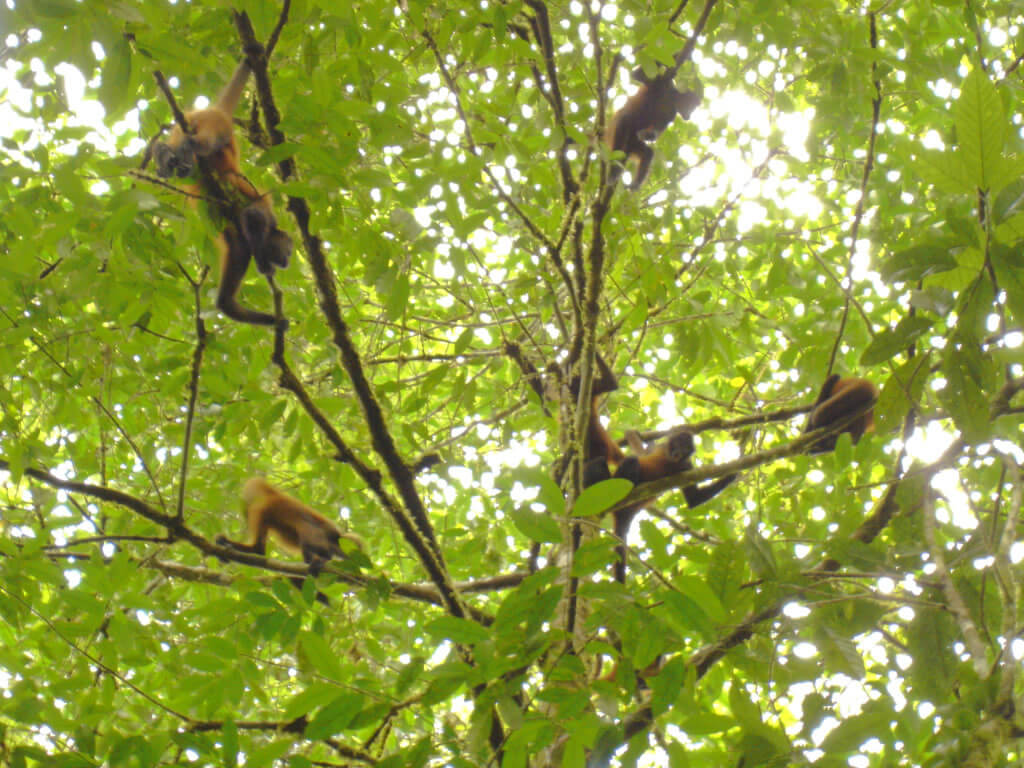
The park serves as a sanctuary for Costa Rica's complete complement of large mammals, including all four native monkey species: the mantled howler monkey (Alouatta palliata), the white-faced capuchin monkey (Cebus imitator), the Geoffroy's spider monkey (Ateles geoffroyi), and the Central American squirrel monkey (Saimiri oerstedii). The endangered Central American squirrel monkey, endemic to Costa Rica's Pacific coast, finds its most secure habitat within Corcovado, with the park protecting a significant portion of the species' remaining population.
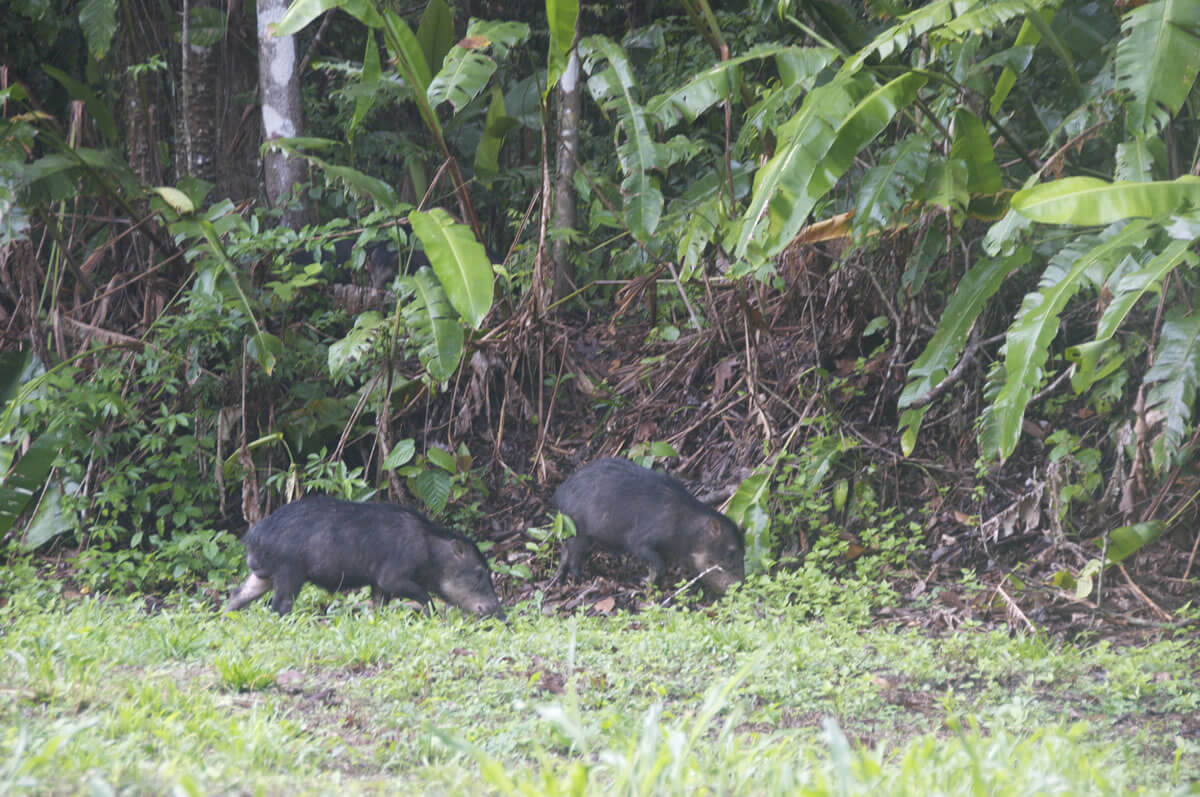
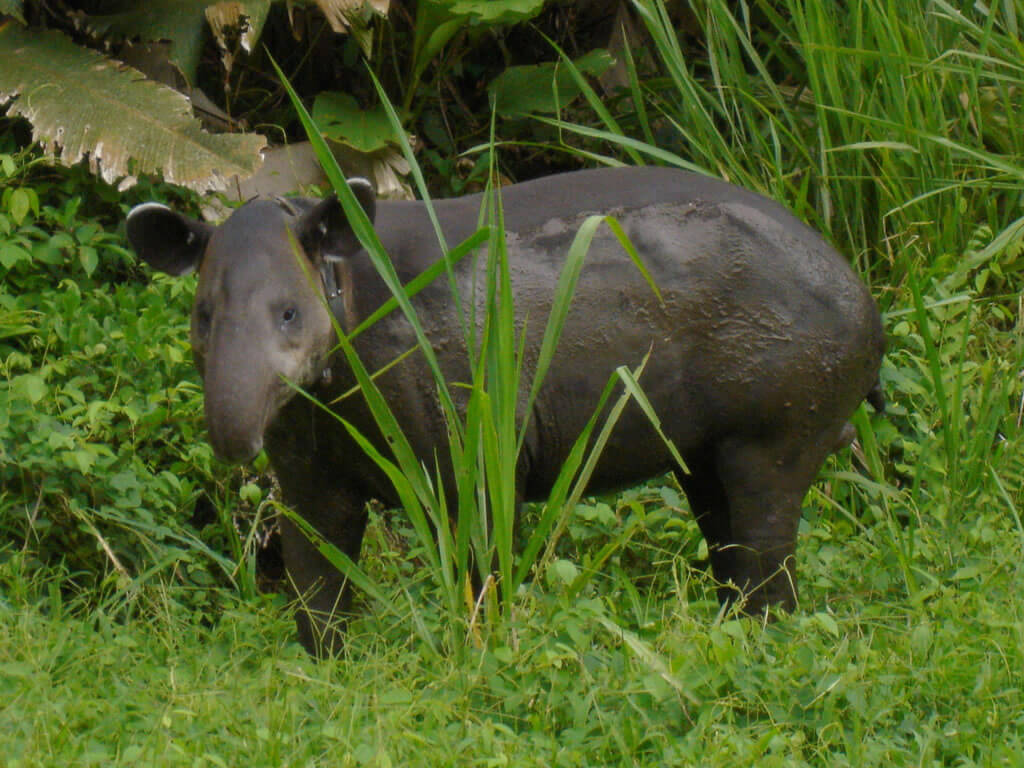
Among the park's most iconic inhabitants, jaguars (Panthera onca) represent the apex predator of these forests, with Corcovado supporting one of Central America's most viable jaguar populations. The endangered Baird's tapir (Tapirus bairdii), Central America's largest land mammal, finds crucial refuge in the park's extensive forests, while white-lipped peccaries (Tayassu pecari) demonstrate the persistence of complete forest ecosystems capable of supporting large herds of ungulates.
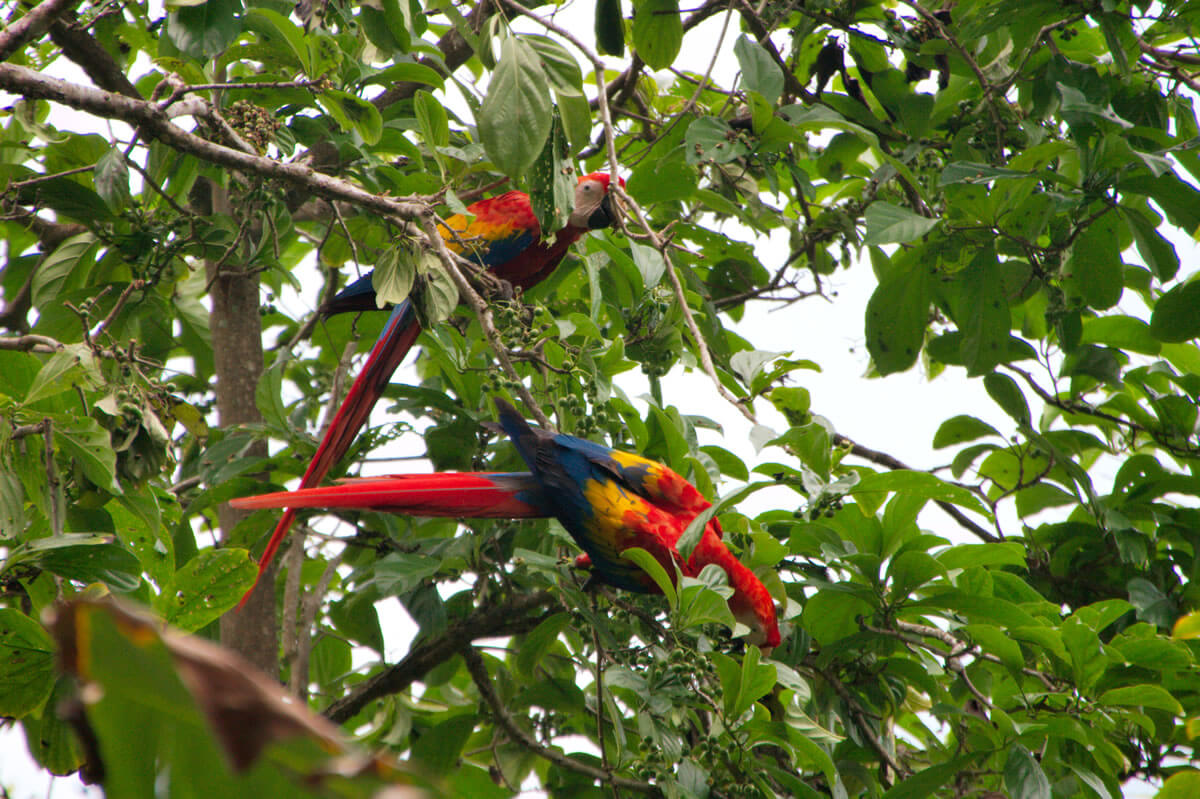
The park's avian diversity includes globally threatened species, such as the scarlet macaw (Ara macao), whose Pacific coast population heavily depends on Corcovado's beach almond (Terminalia catappa) trees for nesting. The harpy eagle (Harpia harpyja), apex predator of the rainforest canopy, maintains one of its last strongholds in Central America within the park's vast forests. Endemic species, such as the black-cheeked ant-tanager (Habia atrimaxillaris) and Baird's trogon (Trogon bairdii), demonstrate the park's importance in preserving Costa Rica's unique Pacific slope fauna.
The park's marine biodiversity extends its significance into the Pacific Ocean, supporting populations of humpback whales (Megaptera novaeangliae) during their annual migrations, while four species of sea turtles nest on the park's pristine beaches: olive ridley (Lepidochelys olivacea), hawksbill (Eretmochelys imbricata), green (Chelonia mydas), and leatherback turtles (Dermochelys coriacea).
Guardian of the Pacific Coast Corridor
Within the Mesoamerican Biological Corridor, Corcovado National Park serves crucial functions that extend far beyond its boundaries. The park anchors the Osa Conservation Area, which encompasses multiple protected areas and biological corridors connecting Corcovado to nearby reserves, including Piedras Blancas National Park and the Golfo Dulce Forest Reserve. This network creates the AmistOsa Biological Corridor, recognized as one of the most important conservation priorities in Central America.
The park's position on the Pacific coast makes it essential for maintaining connectivity between highland protected areas and marine ecosystems. Species such as jaguars require large territories that often extend beyond park boundaries, while migratory birds depend on habitat corridors that link breeding and wintering grounds across elevational gradients. The recent deployment of 27 arboreal bridges throughout the AmistOsa landscape facilitates safe wildlife crossing of roads, demonstrating innovative approaches to maintaining connectivity in fragmented landscapes.
Corcovado's role in the broader Mesoamerican Biological Corridor becomes particularly important for climate change adaptation and mitigation. As rising temperatures force many species to seek cooler conditions at higher elevations, the park's complete elevational gradients from sea level to montane forests provide natural migration corridors that allow species to track suitable climate conditions. This connectivity may prove crucial for the long-term survival of lowland species as global temperatures continue to rise.
Scientific Research and Discovery
Corcovado National Park serves as one of Central America's most important centers for tropical biology research, hosting numerous long-term studies that contribute to our understanding of rainforest ecology and conservation biology. The park's pristine condition and extraordinary biodiversity make it an ideal natural laboratory for studying ecosystem processes, species interactions, and conservation strategies.
Long-term research programs within the park have yielded groundbreaking insights into jaguar ecology, revealing the extensive territory requirements of these apex predators and their crucial role in maintaining the integrity of forest ecosystems. Studies of spider monkey behavior and ecology have contributed to the understanding of primate conservation throughout the Neotropics, while research on sea turtle nesting has informed marine conservation strategies along the Pacific coast.
The park's role in monitoring the impacts of climate change on tropical ecosystems provides essential data for understanding how these critical habitats may respond to rising temperatures and altered precipitation patterns. Phenological studies document changes in flowering and fruiting patterns that may affect wildlife populations, while long-term monitoring of key species provides early warning signs of ecosystem stress.
International research collaborations between Costa Rican institutions and universities worldwide have made Corcovado a focal point for tropical biology education, training the next generation of conservation biologists while contributing to global scientific knowledge. The Osa Biodiversity Survey represents a community effort to catalog the peninsula's flora and fauna, from mini-fauna to rare and endemic species and apex predators.
Cultural Heritage and Indigenous Connections
Before its designation as a national park in 1975, the Osa Peninsula was home to Indigenous communities, including the Boruca and other groups, who maintained deep spiritual and practical connections to the region's forests, rivers, and wildlife. These communities developed a sophisticated understanding of forest ecology and sustainable resource use that contributed to the region's biodiversity conservation for millennia.
Archaeological evidence throughout the peninsula reveals extensive Indigenous settlement and land management practices that shaped forest composition over thousands of years. The profound spiritual connections between Indigenous peoples and the natural world remain reflected in traditional practices and cultural artifacts that form an integral part of Costa Rica's heritage.
The park also contains remnants of Costa Rica's gold mining history from the 20th century, when the Osa Peninsula experienced significant mining pressure. The transformation from extractive activities to conservation and sustainable tourism demonstrates Costa Rica's evolution toward environmental stewardship while honoring the region's complex history.
Today, surrounding communities play crucial roles in park conservation through participation in biological monitoring programs, sustainable tourism initiatives, and environmental education efforts that build local capacity while providing economic alternatives to potentially harmful activities.
Conservation Challenges and Management Innovation
Despite its protected status and remote location, Corcovado National Park faces significant conservation challenges that reflect broader pressures on tropical forests throughout the Mesoamerican region. Illegal activities, including poaching, logging, and gold mining, continue to threaten the park's ecological integrity, requiring innovative enforcement strategies and community engagement programs.
Climate change presents long-term challenges as rising temperatures and altered precipitation patterns may shift species distributions and disrupt ecosystem processes. The park's coastal location makes it particularly vulnerable to sea level rise and increased storm intensity, which could impact beach nesting sites for sea turtles and alter the dynamics of coastal forests.
Agricultural expansion and development pressure in surrounding areas threaten to isolate the park from other protected areas, potentially disrupting the movement of wildlife and genetic exchange essential for the long-term viability of its population. Maintaining connectivity with other components of the AmistOsa Biological Corridor requires coordinated land-use planning that balances conservation with local development needs.
Park management has responded to these challenges through innovative approaches, including community-based conservation programs, technological monitoring systems, and collaborative partnerships with international organizations. Strict visitor regulations, including mandatory guides and limited access to sensitive areas, help minimize human impacts while allowing sustainable tourism that supports local communities.
Economic Dimensions of Conservation
Corcovado National Park showcases the significant economic potential of conserving pristine ecosystems through sustainable tourism, research activities, and the provision of ecosystem services. The park attracts ecotourists, researchers, and nature enthusiasts from around the world, generating substantial revenue for local communities while creating strong economic incentives for conservation.
The park's extraordinary biodiversity and pristine condition make it a premier destination for wildlife photography, scientific research, and nature-based education programs. Sustainable tourism practices, including small group sizes and experienced local guides, ensure that visitor activities support rather than threaten conservation objectives while providing meaningful economic benefits to surrounding communities.
The park's vast forests provide crucial ecosystem services, including carbon storage, watershed protection, and climate regulation, that benefit both local and global communities. These services have enormous economic value that far exceeds the costs of park management and security, providing strong economic justification for continued conservation investment.
Research and educational activities associated with the park generate additional economic benefits through employment of local guides, research assistants, and support staff. The presence of research stations and the international attention focused on the park contribute to Costa Rica's reputation as a leader in environmental conservation and sustainable development.
A Model for Comprehensive Conservation
Corcovado National Park represents one of the world's most successful examples of comprehensive ecosystem conservation, protecting complete habitat gradients from montane forests to coral reefs while maintaining connectivity with broader landscape-scale conservation initiatives. Its role within the Mesoamerican Biological Corridor demonstrates how individual protected areas can contribute to regional biodiversity conservation while supporting local communities and sustainable development.
The park's success in maintaining viable populations of large mammals, protecting critical sea turtle nesting beaches, and preserving the largest tract of lowland Pacific forest in Central America provides hope for tropical forest conservation in an era of unprecedented environmental challenges. The integration of strict protection with sustainable tourism and community engagement offers a model that can be adapted to other conservation contexts throughout the tropics.
From the pristine beaches where leatherback turtles nest under starlit skies to the forest depths where jaguars follow ancient trails, Corcovado National Park continues to demonstrate that effective conservation requires protecting entire ecosystems rather than individual species. As climate change and other global challenges intensify pressure on tropical forests, places like Corcovado become increasingly valuable as refugia for biodiversity and natural laboratories for understanding ecosystem responses to environmental change.
In the calls of howler monkeys echoing across morning mists and the tracks of tapirs along forest streams, in the sustainable livelihoods of local communities and the wonder of visitors from around the world, Corcovado National Park stands as a testament to what can be achieved when conservation vision, scientific understanding, and community commitment come together. As Costa Rica's crown jewel and a cornerstone of the Pacific coast within the Mesoamerican Biological Corridor, the park represents both a monument to conservation success and a beacon of hope for the future of biodiversity protection in one of the world's most threatened yet spectacular ecosystems.