
The Patagonian Steppe: Life in the Rain Shadow
The Patagonian Steppe, spanning southern South America, is a vital temperate grassland ecosystem. This semi-arid region in Argentina and Chile features windswept plains, volcanic plateaus, and shrublands. Often misunderstood as barren, it supports rich biodiversity and unique ecological adaptations.
Windswept Plains: The Ecology and Conservation of the Patagonian Steppe
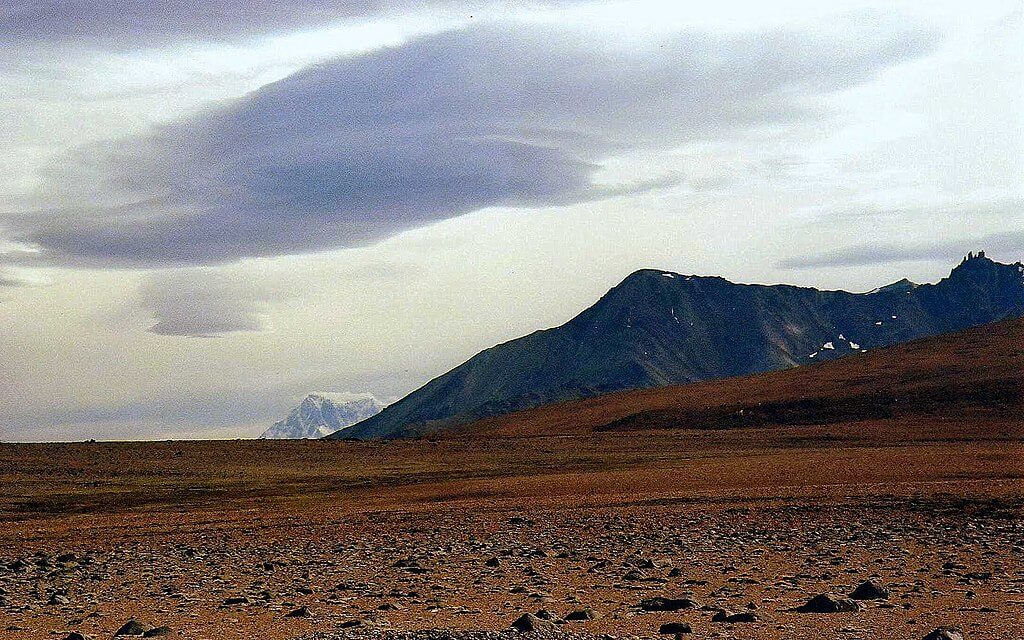
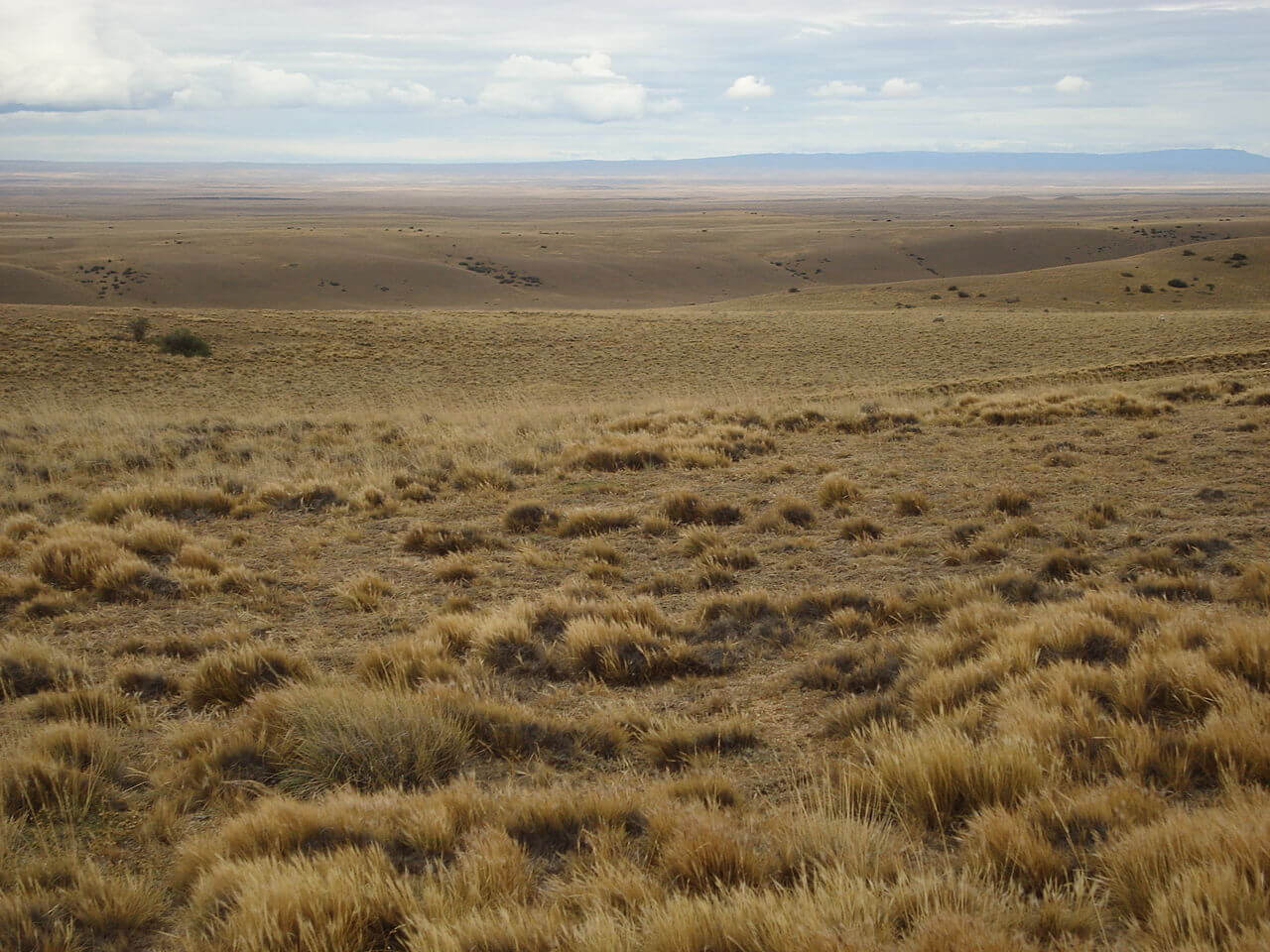
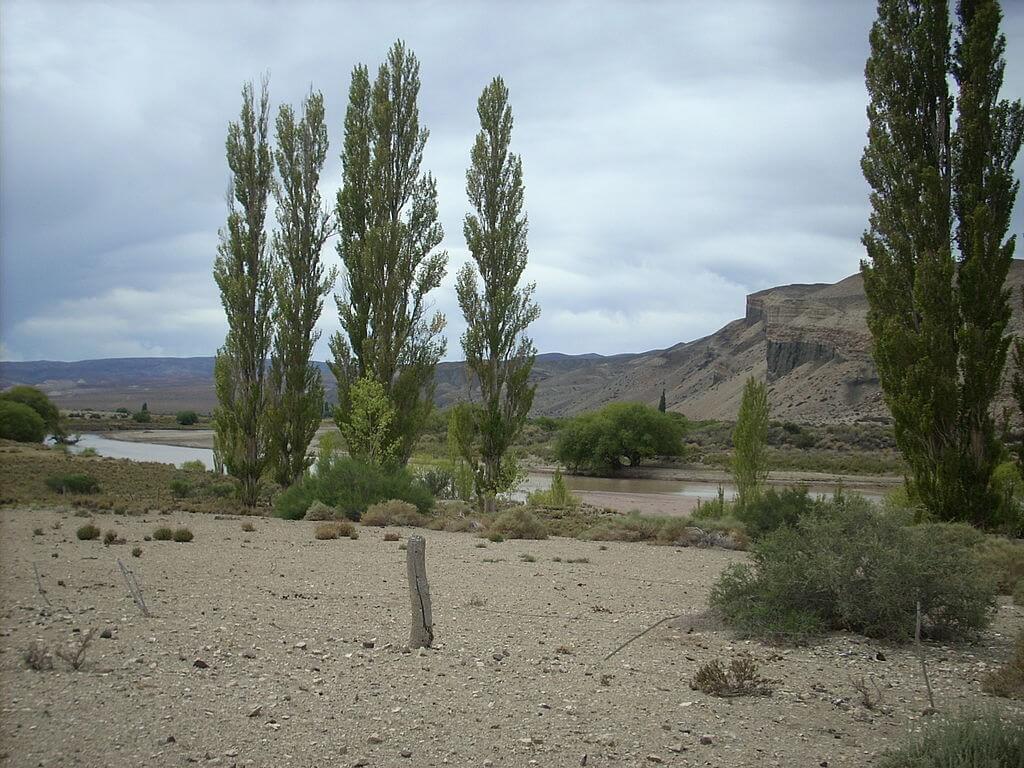
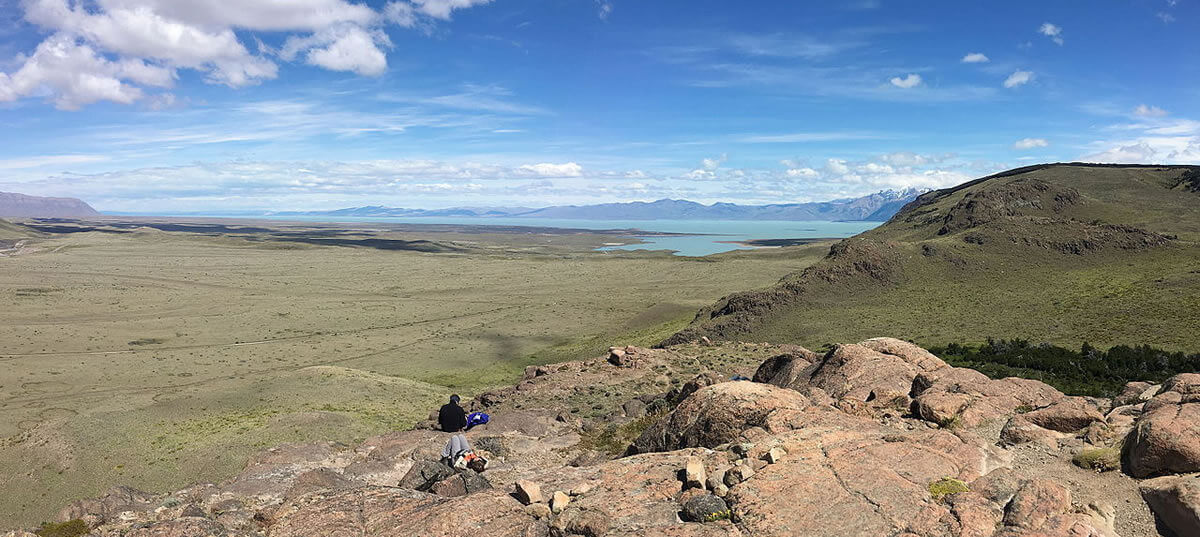
Stretching across nearly 700,000 square kilometers (270,000 square miles) of southern South America, the Patagonian Steppe represents one of the world's most extensive and ecologically significant temperate grassland ecosystems. This vast semi-arid landscape, shaped by the towering Andes Mountains and relentless westerly winds, extends from the Colorado River in northern Argentina to the Strait of Magellan in the south, spanning parts of Argentina and Chile in a continuous expanse of windswept plains, volcanic plateaus, and scattered shrublands. Often mischaracterized as a barren wasteland, the Patagonian Steppe supports remarkable biodiversity and unique ecological adaptations while serving as the economic foundation for one of South America's most important pastoral regions. The steppe's seemingly endless horizons and harsh beauty have captivated explorers, naturalists, and adventurers for centuries, earning recognition as one of Earth's last great grassland wildernesses.
Geographic Extent and Boundaries
The Patagonian Steppe occupies the rain shadow region east of the southern Andes Mountains, extending from approximately 37°S latitude in northern Patagonia to 55°S at the Strait of Magellan. The ecosystem spans five Argentine provinces—Neuquén, Río Negro, Chubut, Santa Cruz, and northern Tierra del Fuego—and extends into eastern Chilean Patagonia, particularly in the Magallanes region and eastern Tierra del Fuego.
The western boundary follows the Andean foothills, where precipitation increases enough to support forest ecosystems, while the eastern boundary extends to the Atlantic coast, where marine influences moderate the continental climate. The northern limit roughly corresponds to the transition to Monte Desert scrublands, while the southern boundary reaches the subantarctic forests of Tierra del Fuego.
This vast ecosystem encompasses multiple WWF ecoregions, including the Patagonian Steppe proper, the Valdivian temperate forests transition zone, and portions of the Southern Andean Steppe. The region's classification as a temperate grasslands, savannas, and shrublands biome reflects its position within global ecosystem frameworks while acknowledging its unique characteristics and conservation significance.
Geological Foundation and Landscape Formation
Meseta Structure and Volcanic Heritage
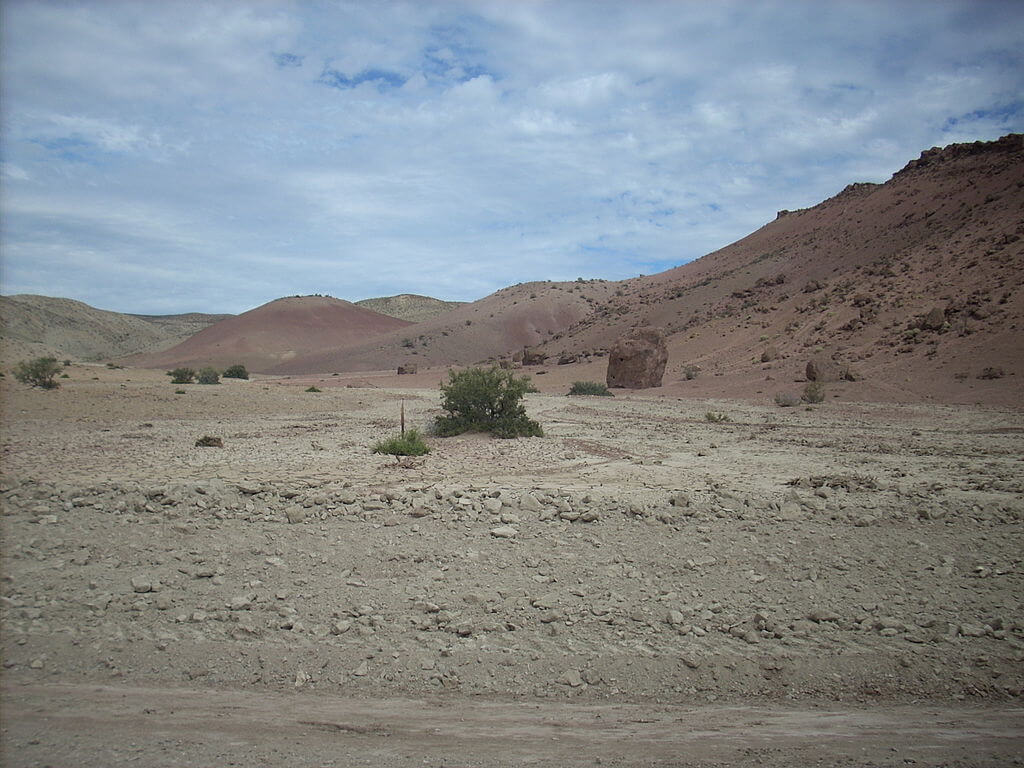
The Patagonian Steppe rests on a series of ancient basaltic plateaus, or mesetas, formed by extensive volcanic activity during the Miocene and Pliocene epochs. These plateaus, rising between 200 and 2,000 meters (656 and 6,562 feet) above sea level, create the characteristic stepped topography that defines much of the region's landscape.
The Somuncurá Plateau in northern Patagonia exemplifies these volcanic formations, containing numerous extinct volcanic cones and extensive lava fields that create unique microhabitats for specialized plant and animal communities. The plateau's basaltic bedrock, weathered over millions of years, has produced nutrient-poor soils that support drought-adapted vegetation communities distinctly different from surrounding areas.
The Deseado Massif in Santa Cruz Province contains some of South America's oldest exposed rocks, dating back over 1.8 billion years to the Precambrian era. These ancient formations have created unique geological landscapes, including petrified forests, volcanic necks, and mineral deposits that provide insights into Earth's early geological history while supporting specialized ecosystems adapted to extreme conditions.
Glacial Legacy and Landform Development
Pleistocene glaciation profoundly influenced the Patagonian Steppe's current topography, though direct glacial coverage was limited to the western portions near the Andes. Glacial meltwater created extensive outwash plains and terraced river systems that form much of the region's drainage network.
Repeated ice-sheet advances and retreats created complex sediment-deposition patterns that influence contemporary soil development and vegetation distribution. Glacial lake deposits, particularly visible in the Río Negro and Chubut provinces, support some of the region's most productive grasslands because of their finer soil textures and improved water-retention capacity.
Wind erosion and deposition, driven by the region's persistent westerly winds, continue to shape the landscape through the formation of sand dunes, deflation basins, and loess deposits. These aeolian processes create dynamic landscapes where vegetation communities must constantly adapt to changing substrate conditions.
Climate Patterns and Environmental Controls
Rain Shadow Effect and Precipitation Patterns
The Patagonian Steppe's defining characteristic results from its position in the rain shadow of the Andes Mountains. Westerly winds carrying moisture from the Pacific Ocean lose most of their water content as they rise over the Andean peaks, creating the arid conditions that characterize the eastern plains.
Annual precipitation across the steppe typically ranges from 150-400 mm (6-16 inches), with significant spatial and temporal variability. Northern areas receive slightly higher precipitation due to occasional intrusions of subtropical moisture, while southern regions experience more consistent but lower annual totals. When precipitation does occur, it often arrives in brief, intense events that can cause significant erosion and flooding.
Seasonal precipitation patterns vary considerably across the region, with some areas experiencing winter-dominant precipitation regimes while others receive the majority of their annual rainfall during summer months. This variability creates complex moisture gradients that support different vegetation communities and influence animal distribution patterns.
Temperature Extremes and Wind Systems
Continental climate conditions dominate throughout the Patagonian Steppe, with significant diurnal and seasonal temperature variations. Summer temperatures can exceed 35°C (95°F) in northern areas, while winter lows may drop to -20°C (-4°F) or lower. Thermal amplitude often exceeds 20°C (36°F) within a single day, creating challenging conditions for both plant and animal life.
The notorious Patagonian winds result from the region's position in the path of persistent westerly winds known as the "Roaring Forties" and "Furious Fifties." These wind systems, largely unimpeded across the South Pacific, strike the Andes with tremendous force before flowing across the steppe at velocities regularly exceeding 100 km/h (62 mph).
Wind patterns create significant microclimatic variations across the landscape, with protected valleys and leeward slopes supporting different vegetation communities than exposed ridges and plateaus. Constant wind stress has driven remarkable morphological adaptations in both plant and animal species, including cushion growth forms in plants and behavioral adaptations in animals.
Vegetation Communities and Plant Adaptations
Dominant Grass Species and Growth Forms
The Patagonian Steppe supports diverse grass communities dominated by species in the genera Festuca, Poa, and Stipa. Coirón (Festuca gracillima) represents perhaps the most characteristic species, forming dense tussocks that can persist for decades while providing structure and habitat for numerous other species.
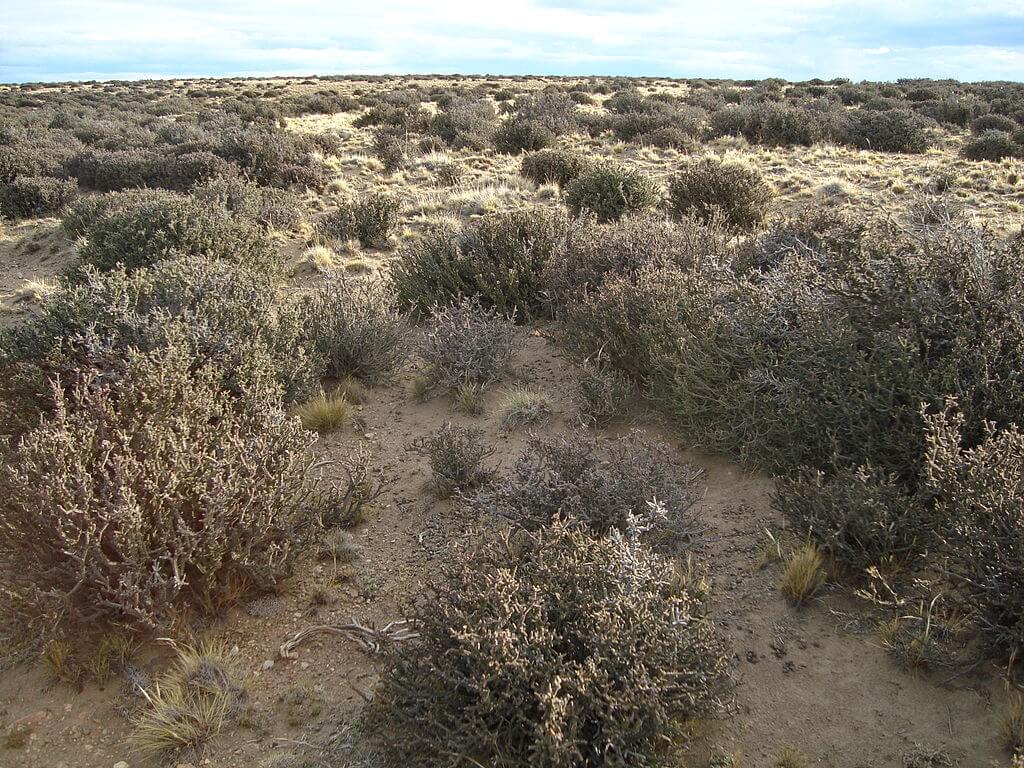
Neneo (Mulinum spinosum), a spiny cushion plant, creates one of the region's most distinctive vegetation formations. These woody shrubs form dense, hemispherical cushions that can exceed 2 meters (6.6 feet) in diameter and live for over 100 years. The cushion growth form protects against wind and herbivory while creating favorable microhabitats for associated species.
Calafate (Berberis microphylla) and other thorny shrubs occupy intermediate positions in the vegetation structure, providing important food resources for wildlife while demonstrating remarkable drought tolerance. These species often serve as nurse plants, facilitating the establishment of other species in their protective shadow.
Adaptation Strategies and Survival Mechanisms
Plant species throughout the Patagonian Steppe have evolved numerous adaptations to survive extreme climate conditions and persistent wind stress. Morphological adaptations include reduced leaf size, waxy cuticles, dense pubescence, and compact growth forms that minimize water loss and wind damage.
Root systems often extend far beyond the aboveground biomass, with some species developing roots that penetrate several meters into the soil to access deep groundwater reserves. Root-to-shoot ratios in steppe plants typically exceed those in more mesic environments by factors of three to five.
Physiological adaptations include CAM photosynthesis in some succulent species, efficient water use strategies, and the ability to enter dormancy during extreme drought conditions. Many species can rapidly resume growth following precipitation events, maximizing resource capture during brief periods of favorable conditions.
Endemic Species and Floristic Diversity
Despite its harsh conditions, the Patagonian Steppe supports remarkable plant diversity with high levels of endemism. The region contains over 1,500 vascular plant species, with endemism levels exceeding 20% in some areas. Many endemic species occupy specialized habitats such as salt flats, volcanic soils, or areas with unique geological substrates.
The Adesmia genus, containing over 60 species in Patagonia, exemplifies the region's evolutionary significance. These leguminous shrubs have radiated into numerous ecological niches, from cushion-forming species on exposed plateaus to larger shrubs in protected valleys. Their nitrogen-fixing capabilities make them crucial components of nutrient-poor steppe ecosystems.
Rare and threatened plant species include several endemic orchids, specialized bulbous plants, and numerous composites found nowhere else on Earth. These species often occupy extremely restricted ranges and face increasing pressure from habitat modification and climate change.
Fauna and Animal Adaptations
Large Mammal Communities
The guanaco (Lama guanicoe) represents the Patagonian Steppe's most iconic mammal, with populations estimated at over 500,000 individuals across the region. These wild camelids show remarkable adaptations to steppe conditions, including efficient kidney function that allows survival without drinking water for extended periods, dense wool that insulates against temperature extremes, and behavioral adaptations such as seasonal migrations to track resource availability.
The endangered huemul (Hippocamelus bisulcus), or South Andean deer, occupies the interface between steppe and forest ecosystems along the Andean foothills. With fewer than 2,000 individuals remaining in the wild, the huemul represents one of South America's most endangered large mammals and serves as a flagship species for conservation efforts throughout the region.
Pumas (Puma concolor) serve as the apex predator throughout the Patagonian Steppe, with population densities among the highest recorded for the species anywhere in its range. These large cats demonstrate remarkable behavioral flexibility, hunting everything from small rodents to adult guanacos while maintaining territories that can exceed 100 square kilometers (39 square miles) in low-productivity areas.
Small Mammal Diversity
The Patagonian Steppe supports exceptional small mammal diversity, with over 40 rodent species adapted to various ecological niches within the ecosystem. The Patagonian mara (Dolichotis patagonum), which resembles a large rabbit but is actually a rodent, is one of the region's most distinctive species. These animals can reach speeds of 45 km/h (28 mph) and demonstrate complex social behaviors, including communal nesting.
Tuco-tucos (Ctenomys species) create extensive underground burrow systems that significantly influence soil structure and nutrient cycling throughout the steppe. These fossorial rodents demonstrate remarkable species diversity, with different species often occupying adjacent areas with slightly different soil or vegetation conditions.
Chinchilla-related species, including mountain viscachas (Lagidium viscacia), occupy rocky outcrops and cliff faces throughout the region. Their dense fur provides exceptional insulation against temperature extremes, while their social behaviors help them survive in one of the world's most challenging small mammal habitats.
Avian Communities and Migration Patterns
The Patagonian Steppe supports over 200 bird species, ranging from year-round residents to migrants that travel thousands of kilometers to utilize the region's resources. The Andean condor (Vultur gryphus), with its 3-meter (10-foot) wingspan, represents the region's most impressive avian species, soaring on thermal updrafts while searching for carrion across vast territories.
Rhea species, flightless birds resembling small ostriches, inhabit open grasslands throughout the northern and central steppe regions. These birds can reach speeds of 60 km/h (37 mph) and play important ecological roles as seed dispersers and herbivores in grassland communities.
Endemic bird species include several ground-dwelling species adapted to steppe conditions, such as the Patagonian tinamou and various seed-eating finches. These species demonstrate remarkable behavioral and physiological adaptations to the harsh steppe environment, including specialized kidney function and behavioral strategies for avoiding predation in open landscapes.
WWF Ecoregions and Biodiversity Classification
Patagonian Steppe Ecoregion
The WWF Patagonian Steppe ecoregion encompasses the core area of the temperate grassland ecosystem, covering approximately 400,000 square kilometers (154,000 square miles) across Argentina and Chile. Characterized by predominantly grass and low-shrub communities, this ecoregion receives annual precipitation between 200 and 600 mm (8 and 24 inches) and supports the region's most extensive grazing ecosystems.
Within this ecoregion, distinct subregions reflect variations in climate, geology, and elevation. The northern Patagonian substeppe receives slightly higher precipitation and supports more diverse plant communities, while the southern Patagonian substeppe experiences harsher conditions and lower species diversity. These variations create a complex mosaic of habitats that support different animal communities and require different conservation strategies.
The ecoregion's conservation status reflects significant habitat modification through livestock grazing, though large areas remain in relatively natural condition. Endemic species concentrations and intact large mammal communities make this ecoregion a priority for global grassland conservation efforts.
Southern Andean Steppe Ecoregion
The Southern Andean Steppe ecoregion occupies higher elevations along the Andean foothills and extends into areas with slightly higher precipitation. This transitional ecoregion supports vegetation communities intermediate between pure steppe and forest ecosystems, creating unique habitats for species adapted to these edge conditions.
Characterized by bunch grasses, cushion plants, and scattered shrubs, the Southern Andean Steppe experiences more extreme temperature variations and shorter growing seasons than lower elevation steppe areas. These conditions support specialized plant communities with high endemism and provide critical habitat for species such as the huemul, which require both grassland foraging areas and forest cover.
The ecoregion's position along the Andean chain creates corridors for species movement and genetic exchange between populations, making it particularly important for maintaining ecosystem connectivity across the broader Patagonian landscape.
Valdivian Temperate Forest Transition
Although not strictly part of the steppe ecosystem, the transition zones between the Patagonian Steppe and the Valdivian temperate forests create unique ecotones that support exceptional biodiversity. These transition areas experience intermediate precipitation levels that support parkland landscapes with scattered forest patches embedded within grassland matrices.
These ecotonal areas often support the highest species diversity within the broader Patagonian region, providing habitat for species from both forest and grassland ecosystems while supporting unique communities adapted to the intermediate conditions. The dynamic nature of these transition zones, influenced by climate variability and disturbance regimes, creates complex habitat mosaics that require specialized conservation approaches.
Protected Areas and Conservation Framework
National Parks and Reserves
Protected area coverage within the Patagonian Steppe has expanded significantly over recent decades, though the ecosystem remains underrepresented compared to forest and mountain ecosystems. Major protected areas include Península Valdés World Heritage Site, which protects coastal steppe habitats and marine ecosystems, and Monte León National Park, Argentina's first coastal national park.
Patagonia National Park, created through the donation of private lands by conservation organizations, protects over 200,000 hectares (494,000 acres) of pristine steppe habitat while demonstrating innovative approaches to ecosystem restoration and species reintroduction. The park's rewilding programs focus on restoring natural grazing patterns and reintroducing extirpated species to recreate historical ecosystem dynamics.
Provincial protected areas throughout Argentina provide additional conservation coverage, though management capacity and resources vary significantly between jurisdictions. Parque Provincial Península Valdés, Reserva Provincial Punta Bermeja, and numerous smaller reserves protect representative samples of different steppe habitats and support research programs focused on ecosystem management and species conservation.
Transboundary Conservation Initiatives
The transboundary nature of the Patagonian Steppe requires international cooperation for effective conservation. The Patagonian Steppe Partnership between Argentina and Chile coordinates research and management activities across national boundaries while addressing shared conservation challenges such as species migration, habitat connectivity, and climate change adaptation.
International agreements, including the Convention on Migratory Species and the Western Hemisphere Shorebird Reserve Network, recognize the global significance of Patagonian Steppe ecosystems for migratory species conservation. These frameworks facilitate coordinated management actions and resource sharing between countries while promoting international awareness of the region's conservation needs.
Conservation organizations, including The Nature Conservancy, Wildlife Conservation Society, and local NGOs, work throughout the region to support protected area management, conduct research, and promote sustainable development practices that benefit both conservation and local communities.
Private Land Conservation
Private land conservation initiatives play increasingly important roles in Patagonian Steppe protection, given that most of the ecosystem occurs on private property. Conservation easements, private reserves, and voluntary conservation agreements provide mechanisms for protecting habitat while maintaining productive land uses.
Estancia-based conservation programs demonstrate that extensive livestock production can be compatible with biodiversity conservation when managed sustainably. These programs focus on adjusting stocking rates, modifying grazing patterns, and maintaining habitat heterogeneity to support both productive agriculture and native species conservation.
Carbon sequestration programs and payment for ecosystem services initiatives provide economic incentives for private landowners to maintain natural grassland ecosystems rather than converting them to more intensive agricultural uses. These market-based conservation mechanisms show promise for scaling up conservation efforts across the vast privately owned portions of the steppe.
Ecological Processes and Ecosystem Functions
Herbivory and Grazing Dynamics
Grazing represents the dominant ecological process shaping Patagonian Steppe ecosystems, with both native and domestic herbivores influencing vegetation structure, species composition, and nutrient cycling. Guanacos, the primary native herbivore, demonstrate grazing patterns that promote plant diversity and ecosystem resilience through selective feeding and seasonal mobility.
The coevolution of native plants and herbivores has created grazing-adapted communities where moderate disturbance maintains species diversity and ecosystem productivity. Many plant species require periodic defoliation to maintain vigor and reproductive success, while others have evolved anti-herbivore defenses, including spines, toxins, and unpalatable chemical compounds.
Introduced livestock, primarily sheep and cattle, have modified natural grazing patterns through different feeding behaviors, year-round residence, and often excessive stocking rates. However, when managed appropriately, domestic livestock can maintain ecosystem functions while providing economic benefits to rural communities.
Fire Regimes and Disturbance Patterns
Fire plays a relatively minor role in Patagonian Steppe ecosystems compared to other grassland systems, due to the region's arid climate and discontinuous fuel loads. However, periodic fires do occur, particularly during dry years when accumulated plant material provides sufficient fuel for fire spread.
Lightning-ignited fires occur primarily during summer thunderstorms, though their frequency and extent remain limited by the sparse vegetation and high moisture content of living plant tissues. Human-caused fires, both accidental and intentional, have increased fire frequency in some areas, though the ecosystem's fire adaptations remain limited compared to fire-prone grasslands elsewhere.
Other disturbance factors, including drought, windstorms, and volcanic activity, create temporal and spatial heterogeneity that promotes species diversity and ecosystem resilience. Human activities have modified these natural disturbance regimes, requiring active management to maintain ecosystem integrity.
Soil Development and Nutrient Cycling
Soil development throughout the Patagonian Steppe reflects the interaction of climate, parent material, topography, and biological activity over thousands of years. The region's arid climate limits soil development rates while promoting the accumulation of calcium carbonate and other minerals in subsurface horizons.
Most steppe soils are classified as Aridisols or Mollisols, characterized by limited organic matter accumulation, calcic horizons, and often high salinity levels. Soil depth varies considerably across the landscape, from shallow soils over bedrock on plateaus to deep alluvial soils in valley bottoms.
Biological soil crusts, composed of cyanobacteria, lichens, and mosses, play crucial roles in soil stability, nitrogen fixation, and seedbed preparation throughout much of the steppe. These living soil surfaces prevent erosion, contribute to nutrient cycling, and facilitate plant establishment in harsh environments.
Human Interactions and Land Use Patterns
Pastoral Systems and Livestock Production
Extensive livestock production dominates land use across the Patagonian Steppe, with sheep ranching as the primary economic activity in much of the region. Traditional estancia systems, some covering more than 50,000 hectares (123,500 acres), show the scale of pastoral operations needed for economic viability in these low-productivity environments.
Sustainable grazing management requires careful attention to stocking rates, seasonal movement patterns, and pasture rest periods that allow vegetation recovery. Overgrazing remains a significant conservation challenge in many areas, leading to soil erosion, invasive species establishment, and reduced biodiversity.
Modern ranch management increasingly incorporates ecological principles, including rotational grazing, wildlife-friendly practices, and habitat management techniques that benefit both livestock production and native species conservation. These integrated approaches demonstrate that productive agriculture and biodiversity conservation can be compatible when properly managed.
Indigenous Land Use and Cultural Heritage
Indigenous peoples utilized Patagonian Steppe resources for thousands of years before European colonization, developing sustainable hunting and gathering systems adapted to the region's ecological constraints. Archaeological evidence suggests that Indigenous management practices, including controlled burning and seasonal hunting patterns, influenced ecosystem structure and species distributions.
The Tehuelche people developed sophisticated knowledge of seasonal resource availability, animal behavior patterns, and navigation techniques that allowed them to thrive in one of the world's most challenging environments. Their cultural practices included complex social systems, trade networks, and spiritual beliefs centered on their relationship with the land and its animal populations.
Contemporary Indigenous communities continue to maintain cultural connections to steppe landscapes while adapting to modern economic and social conditions. Recognition of Indigenous land rights and traditional ecological knowledge contributes to more effective conservation and sustainable development strategies throughout the region.
Tourism and Recreation
Ecotourism and wildlife viewing have become increasingly important economic activities across the Patagonian Steppe, capitalizing on the region's unique wildlife populations and pristine landscapes. Peninsula Valdés attracts hundreds of thousands of visitors annually for whale watching, while other areas promote guanaco viewing, bird watching, and cultural tourism experiences.
Adventure tourism, including horseback riding, hiking, and photography tours, provides economic opportunities for rural communities while promoting conservation awareness. The development of sustainable tourism infrastructure requires careful planning to minimize environmental impacts while maximizing economic benefits for local populations.
Educational tourism and research activities bring scientists, students, and conservationists to the region, contributing to scientific knowledge while generating revenue for local communities. These activities often provide crucial support for conservation programs and protected area management.
Conservation Challenges and Threats
Habitat Fragmentation and Land Use Change
Agricultural intensification and infrastructure development increasingly fragment Patagonian Steppe habitats, disrupting animal movement patterns and reducing ecosystem connectivity. Road construction, fence installation, and conversion to cropping systems create barriers to wildlife movement and reduce habitat quality for species that require large territories.
Urban development, though limited in scale, concentrates impacts on some of the region's most productive areas, particularly around water sources and transportation corridors. Wind energy development, while supporting renewable energy goals, requires careful siting to minimize impacts on bird populations and habitat connectivity.
Mining activities, including both traditional extraction and newer unconventional oil and gas development, create localized but significant habitat disturbances. The expansion of fracking operations in the Neuquén Basin poses particular challenges for balancing energy development with ecosystem conservation.
Invasive Species and Ecosystem Modification
Invasive plant and animal species pose increasing threats throughout the Patagonian Steppe, often facilitated by habitat disturbance and climate change. European grasses, introduced accidentally and intentionally, alter competitive relationships and fire regimes while reducing habitat quality for native species.
Invasive mammals, including European hares, wild boar, and feral cats, compete with native species while modifying ecosystem processes. Control of invasive species requires sustained effort and coordination across multiple land ownerships, making it particularly challenging in the region's extensive private land areas.
The interaction between invasive species, habitat modification, and climate change creates complex management challenges that require adaptive strategies and long-term commitment from multiple stakeholders.
Climate Change Impacts and Adaptation
Climate change projections suggest that the Patagonian Steppe will experience increased temperatures, altered precipitation patterns, and more frequent extreme weather events. These changes may shift the boundaries between steppe and forest ecosystems while altering species distributions and community composition.
Increased temperature and drought stress may favor drought-adapted species while reducing productivity in areas that currently support diverse plant communities. Changes in precipitation timing could disrupt reproductive cycles and migration patterns for species adapted to current seasonal patterns.
Adaptation strategies include assisted migration for threatened species, habitat restoration to improve ecosystem resilience, and development of climate-adapted management practices for both conservation and productive land uses.
Conclusion: A Grassland Worth Studying and Saving
The Patagonian Steppe represents one of the world's most extensive and ecologically significant temperate grassland ecosystems, with nearly 700,000 square kilometers across Argentina and Chile, demonstrating the profound influence of geographic and climatic factors in shaping biological communities. The region's classification across multiple WWF ecoregions, from the core Patagonian Steppe to the transitional Southern Andean Steppe and the ecotones bordering the Valdivian forests, reflects an internal diversity that has made the steppe a genuine natural laboratory: long-term research programs here continue to inform grassland ecology, sustainable grazing management, and species reintroduction strategies that carry lessons well beyond Patagonia itself.
That research increasingly serves an urgent practical purpose. Habitat fragmentation, invasive species, and a changing climate all threaten an ecosystem that remains underrepresented within the region's protected-area systems compared to its forest and mountain neighbors, even as growing international recognition has brought new conservation investment, and rewilding initiatives across the steppe demonstrate real potential for restoring degraded habitat while building local economies around ecotourism rather than overgrazing. The Patagonian Steppe's future as a functioning ecosystem will depend on sustaining collaboration among conservationists, landowners, and local communities that has begun to reconcile productive land use with preserving one of the planet's last great grassland wildernesses.