
The Archaeological Ensemble of 17th Century Port Royal: Jamaica's Sunken Colonial Capital
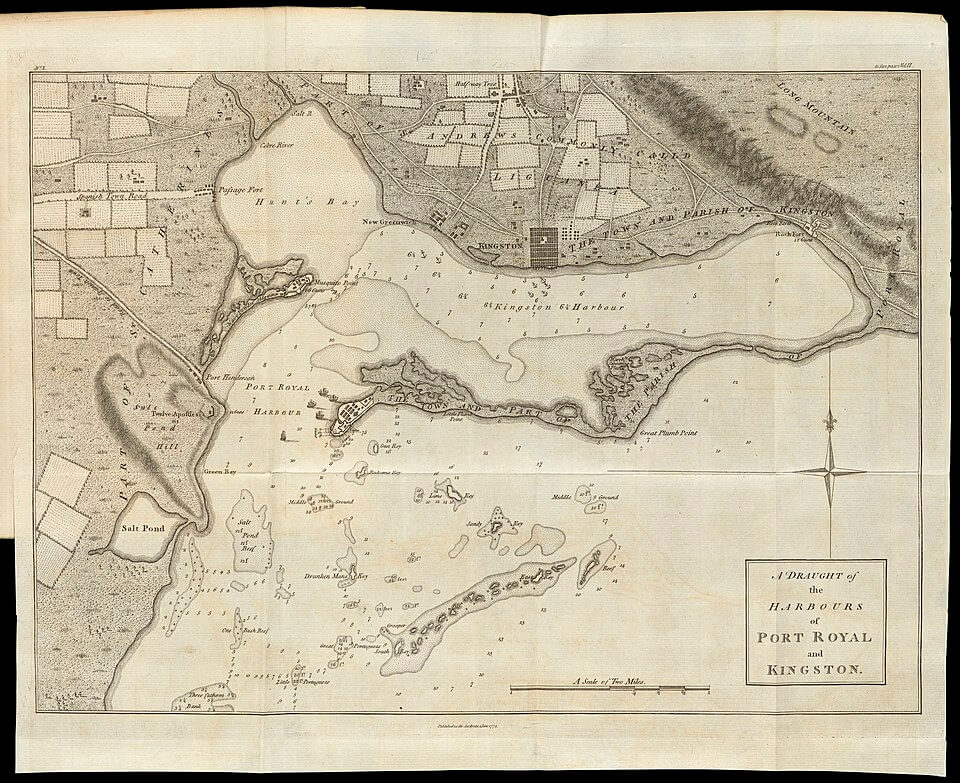
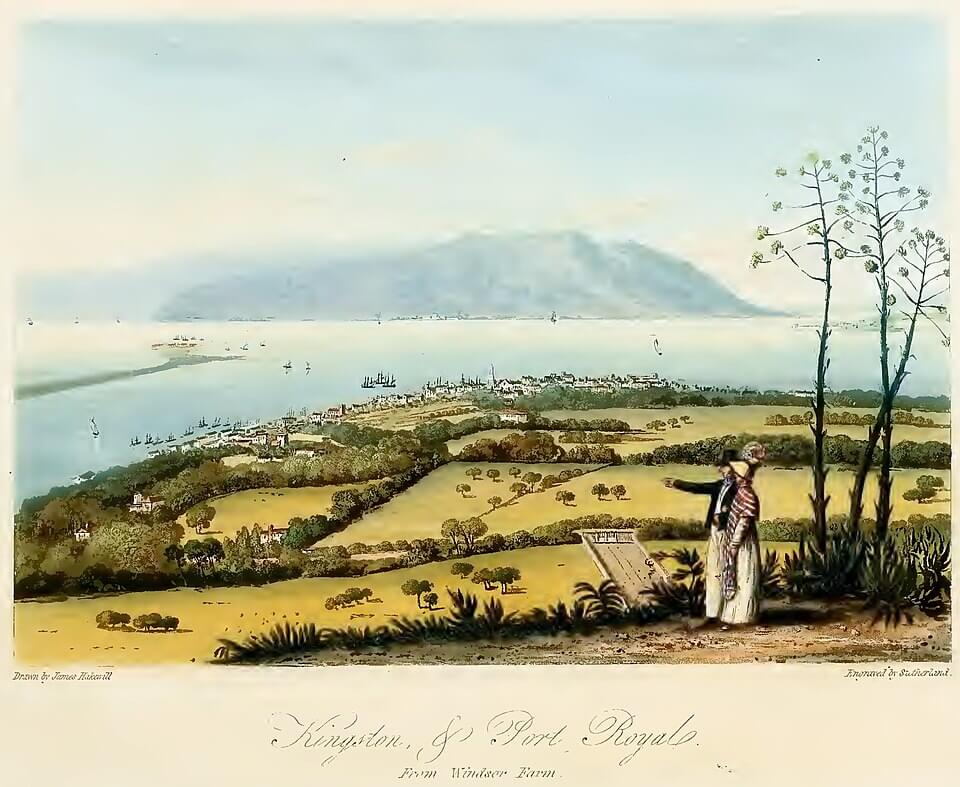
At Kingston Harbour in southeastern Jamaica lies the remains of Port Royal, once the most important English port in the Caribbean and the fourth largest city in the Americas. The site offers insights into colonial urban life, maritime trade, and social dynamics, embodying a global archaeological treasure.
Beneath Kingston Harbour: The Archaeological Treasures of Jamaica's Submerged Colonial Past
At the mouth of Kingston Harbour in southeastern Jamaica lies one of the most extraordinary underwater archaeological sites in the Western Hemisphere. The Archaeological Ensemble of 17th Century Port Royal, inscribed as a UNESCO World Heritage Site on July 12, 2025, preserves the remarkably intact remains of what was once the most important English port in the Caribbean and the fourth largest city in the Americas. This colonial metropolis, which reached its zenith in the late 17th century as a hub of transatlantic trade, naval power, and notorious piracy, was catastrophically transformed in a matter of minutes during the devastating earthquake of June 7, 1692. The seismic event submerged two-thirds of the city beneath the waters of Kingston Harbour, creating a unique time capsule that offers unparalleled insights into colonial urban life, maritime commerce, and the complex social dynamics of England's Caribbean empire. As Jamaica's second UNESCO World Heritage Site, joining the Blue and John Crow Mountains, Port Royal represents not only an archaeological treasure of global significance but also a sobering reminder of the power of natural disasters to reshape human civilization and preserve it simultaneously for future generations.
Historical Context and Colonial Significance
Port Royal's strategic location at the entrance to one of the Caribbean's finest natural harbors made it an inevitable focal point for European colonial expansion in the New World. Originally established by the Spanish as Cayo de Carena, the site was captured by English forces in 1655 during Oliver Cromwell's Western Design, part of England's broader strategy to challenge Spanish dominance in the Caribbean.
Under English rule, Port Royal rapidly evolved from a modest settlement into the Caribbean's most significant commercial and military center. By the 1670s, the city had grown to encompass approximately 51 hectares (126 acres) and housed between 6,500 and 10,000 residents, making it larger than contemporary New York and rivaling Boston in size and commercial importance. The population represented an extraordinarily diverse mix of English colonists, enslaved Africans, free people of color, Jewish merchants, and an international community of traders, privateers, and pirates.
The city's prosperity derived from its position as the nexus of England's Caribbean commercial network. Port Royal served as the primary entrepôt for goods flowing between Europe, North America, and the Caribbean, facilitating the exchange of manufactured goods, tropical commodities, and enslaved human beings. The notorious triangular trade routes that connected Europe, Africa, and the Americas converged at Port Royal's deep-water harbor, making the city one of the wealthiest per capita in the English colonial world.
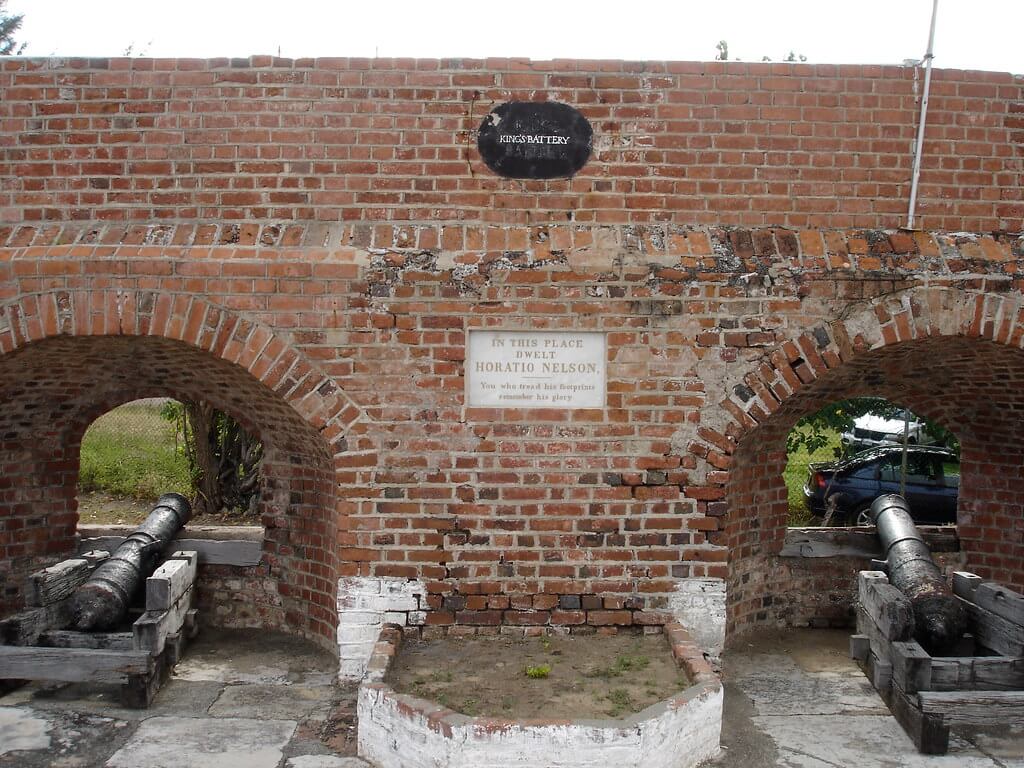
Port Royal's association with piracy and privateering became legendary throughout the Caribbean. The city served as an unofficial headquarters for the Brethren of the Coast, a loose confederation of privateers and pirates who operated under English letters of marque against Spanish shipping. Figures such as Henry Morgan, who served as Lieutenant Governor of Jamaica, epitomized the blurred lines between legitimate naval warfare and piracy that characterized Caribbean colonial politics.
Urban Planning and Architecture
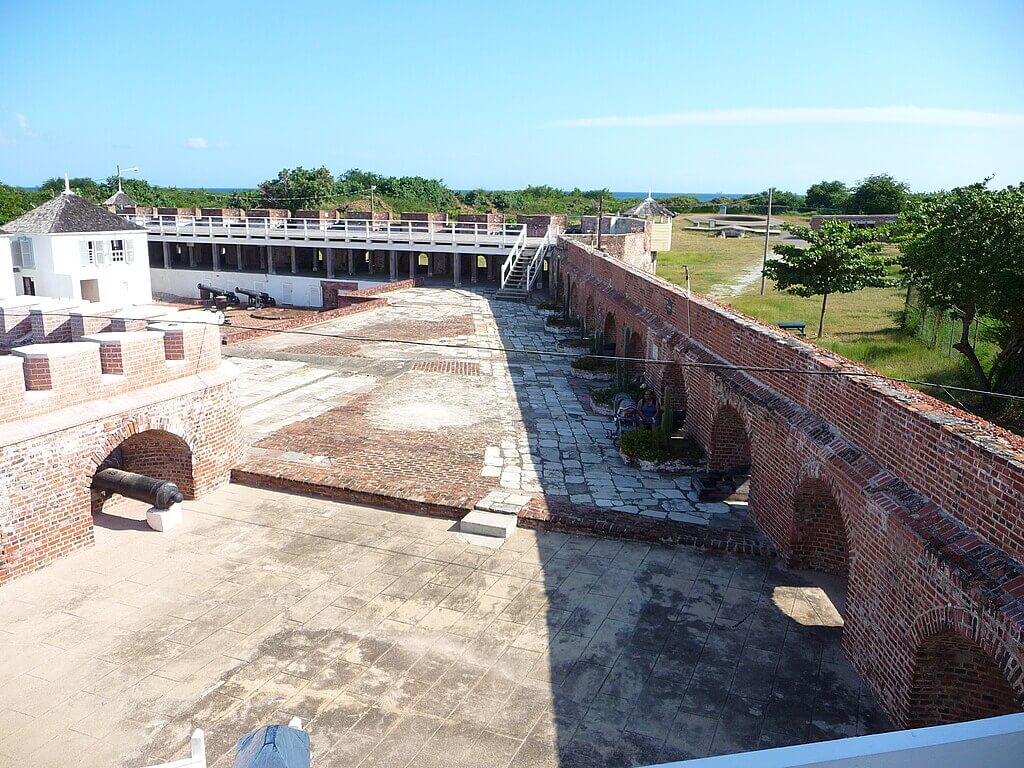
Archaeological evidence reveals that 17th-century Port Royal represented one of the most sophisticated examples of colonial urban planning in the Americas. The city featured a well-preserved layout of residential, religious, and administrative buildings that served as a distinctive marker of British colonial presence in the Caribbean.
The city was laid out according to English colonial planning principles, with a grid pattern of streets intersecting at right angles and a central square serving as the focal point for governmental and commercial activities. The main thoroughfares included High Street, which ran parallel to the harbor and served as the primary commercial artery, and Queen Street, which connected the harbor to the inland areas of the city.
Port Royal's architecture reflected both English colonial traditions and adaptations to Caribbean environmental conditions. Buildings were typically constructed using a combination of brick, stone, and timber, with many structures featuring arcaded ground floors to provide shelter from tropical sun and rain while facilitating commercial activities. The use of ballast stone from visiting ships, locally quarried coral stone, and brick imported from England created a distinctive architectural vocabulary that can still be observed in the archaeological remains.
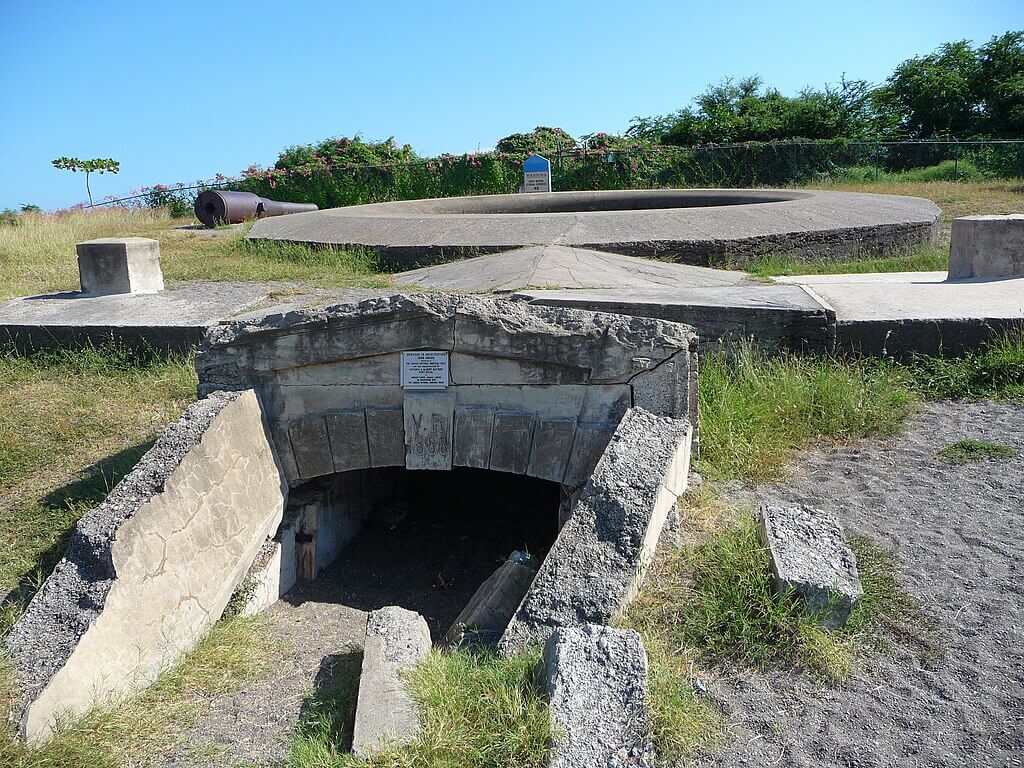
The city contained six major defensive fortifications that protected the harbor entrance and city approaches. These included Fort Charles, the largest and most elaborate fortification, along with Fort James, Fort Carlisle, Fort Rupert, Fort Walker, and Morgan's Fort. Some of these defensive forts are now submerged as a result of the 1692 earthquake, creating unique underwater archaeological sites that preserve artillery, building materials, and personal artifacts.
Religious architecture in Port Royal reflected the city's diverse population and England's evolving religious policies in the Caribbean. The Anglican Church of St. Paul served as the primary religious institution for the English colonial establishment, while other denominations, including Jewish, Quaker, and Catholic communities, maintained their own places of worship despite periodic restrictions.
The Great Earthquake of 1692
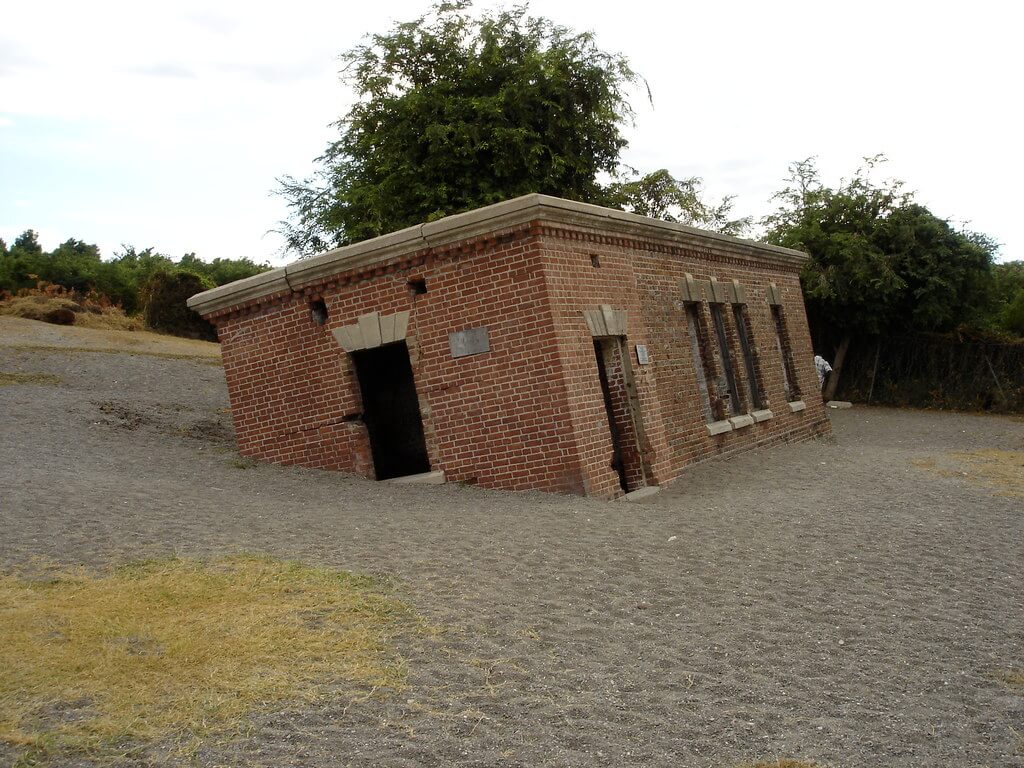
The catastrophic earthquake that struck Port Royal on June 7, 1692, represents one of the most significant natural disasters in Caribbean history and created the unique archaeological conditions that make the site so valuable for understanding colonial life. The earthquake, estimated to have reached a magnitude of 7.5 on the Richter scale, was followed by tsunamis and liquefaction that fundamentally altered the geography of Kingston Harbour.
The devastating earthquake submerged much of the town under water and sand, with approximately two-thirds of the city sliding into the harbor within minutes of the initial tremor. Contemporary accounts describe the terrifying spectacle of entire buildings, streets, and neighborhoods disappearing beneath the waves as the underlying sand and sediment underwent liquefaction.
The human toll was catastrophic, with an estimated 2,000 people killed immediately by the earthquake and subsequent tsunamis, and thousands more dying in the following weeks from injuries, disease, and exposure. The social and economic disruption was equally severe, as the earthquake destroyed the accumulated wealth and infrastructure that had made Port Royal the Caribbean's premier commercial center.
The geological processes that caused the disaster also created the exceptional preservation conditions that make Port Royal unique among archaeological sites. The rapid burial under sand and sediment, combined with the anaerobic underwater environment, preserved organic materials, wooden structures, and delicate artifacts that would normally decompose within decades under tropical conditions.
Archaeological Discoveries and Research
Port Royal represents one of the most extensively studied underwater archaeological sites in the world, with systematic investigations beginning in the 1960s and continuing to the present day. The site's exceptional preservation conditions have yielded an unprecedented assemblage of artifacts, architectural remains, and environmental evidence that illuminate daily life in a 17th-century colonial city.
The terrestrial and underwater remains offer rare insights into urban colonial life, providing a level of detail about colonial society that is rarely available from documentary sources alone. Archaeological excavations have revealed complete building foundations, street layouts, harbor infrastructure, and thousands of artifacts ranging from everyday household items to luxury goods imported from around the world.
The underwater portions of the site have yielded exceptionally well-preserved wooden structures, including building frames, floors, furniture, and ship components. The anaerobic conditions beneath Kingston Harbour have prevented the decay of organic materials, creating a unique opportunity to study aspects of colonial material culture that are typically lost to time.
Artifact assemblages from Port Royal reflect the city's role as a cosmopolitan commercial center and reveal the complex networks of trade and cultural exchange that connected the Caribbean to the broader Atlantic world. Excavations have uncovered Chinese porcelain, European pewter and ceramics, locally made pottery, African-influenced artifacts, and personal items that reflect the diverse cultural backgrounds of Port Royal's residents.
The site has also yielded important evidence of the daily lives of enslaved Africans and their descendants, a population that constituted a significant portion of Port Royal's residents but is often underrepresented in historical records. Archaeological evidence of housing patterns, food preparation, religious practices, and material culture provides crucial insights into the experiences of enslaved people in colonial Jamaica.
Maritime Archaeological Significance
Port Royal's harbor contains one of the richest concentrations of shipwrecks and maritime archaeological sites in the Caribbean, reflecting the city's central role in colonial shipping and naval operations. The harbor's sheltered waters and strategic location made it a natural gathering place for vessels of all types, from small coastal traders to large trans-oceanic merchantmen and naval warships.
The 1692 earthquake created unique conditions for maritime preservation by rapidly burying ships and harbor infrastructure under protective sediments. Archaeological surveys have identified numerous vessel remains, including merchant ships, naval vessels, and smaller craft that were trapped in the harbor when the earthquake struck.
The site preserves important evidence of 17th-century shipbuilding techniques, maritime technology, and the evolution of vessel design in response to Caribbean conditions. The tropical marine environment posed significant challenges for wooden ships, leading to adaptations in construction methods, materials, and maintenance practices that are documented in the Port Royal archaeological record.
Harbor infrastructure, including wharves, warehouses, and defensive installations, provides insights into the organization of colonial maritime commerce and the technological systems that supported Port Royal's role as a major Caribbean entrepôt. The preservation of complete wharf structures, loading facilities, and storage areas offers rare opportunities to study the physical infrastructure of colonial trade.
Social and Cultural Complexity
Archaeological evidence from Port Royal reveals a complex, multi-ethnic society that defied simple categorization within typical colonial hierarchies. The city's population included wealthy English merchants and planters, skilled artisans and shopkeepers, free people of color, enslaved Africans, and an international community of traders and seafarers.
Housing patterns and architectural remains reflect the social stratification of colonial society while also revealing unexpected complexity and mobility within supposedly rigid hierarchical structures. Elite residences featured imported furnishings, fine ceramics, and architectural details that demonstrated wealth and status, while more modest dwellings housed the city's working population.
The archaeological record also documents the presence of a significant Jewish community in Port Royal, with evidence of distinctive religious practices, dietary customs, and commercial activities. This community played an important role in the city's economic life and represents one of the earliest Jewish settlements in the English Caribbean.
Evidence of African cultural practices and syncretism appears throughout the archaeological record, reflecting the ways enslaved and free people of African descent maintained cultural traditions while adapting to colonial circumstances. Artifacts related to food preparation, religious practices, and personal adornment provide insights into processes of cultural preservation and transformation in the African diaspora.
Economic Networks and Global Connections
Port Royal's archaeological assemblage provides exceptional documentation of the global trade networks that connected the Caribbean to Europe, Africa, Asia, and North America during the height of European colonial expansion. Artifacts recovered from the site demonstrate the city's integration into emerging systems of global capitalism and cultural exchange.
Port Royal was a key hub for transatlantic trade, including the trade of enslaved Africans, and archaeological evidence illuminates the material dimensions of these tragic commercial relationships. The site contains evidence of the goods, technologies, and cultural practices that moved along slave trade routes, providing important documentation of one of history's most significant forced migrations.
Trade goods from around the world appear in Port Royal's archaeological record, including Chinese porcelain, Indian textiles, European manufactured goods, and products from throughout the Americas. This cosmopolitan assemblage reflects the city's position at the center of emerging global trade networks and demonstrates the rapid circulation of goods and ideas in the early modern world.
The site also preserves evidence of local and regional economic activities, including sugar processing, rum production, shipbuilding, and various crafts and trades that supported the city's role as a regional commercial center. These activities created complex economic relationships that connected Port Royal to Jamaica's plantation economy and to broader Caribbean commercial networks.
Conservation Challenges and Management
The management of Port Royal as a UNESCO World Heritage Site presents unique challenges that arise from its dual terrestrial and underwater character, urban location, and ongoing exposure to natural hazards. The site requires specialized conservation approaches that address both archaeological preservation and contemporary development pressures.
The underwater portions of the site face threats from coastal development, harbor dredging, pollution, and unauthorized artifact collection. The marine environment requires specialized monitoring and protection measures to ensure the long-term preservation of archaeological materials and contexts.
Climate change poses additional challenges through sea-level rise, increased storm intensity, and changing precipitation patterns that could affect both terrestrial and underwater archaeological remains. The site's vulnerability to seismic activity remains a concern, as Jamaica lies within an active earthquake zone that could potentially impact archaeological deposits.
The integration of heritage management with ongoing urban development in the Kingston metropolitan area requires careful planning and community engagement. Port Royal remains a living community with contemporary development needs that must be balanced with archaeological preservation requirements.
Tourism development offers both opportunities and challenges for site management. Sustainable tourism can provide economic benefits to local communities while raising awareness of the site's significance, but visitor access must be carefully managed to prevent damage to fragile archaeological remains.
Scientific Research and International Collaboration
Port Royal serves as a unique laboratory for interdisciplinary research that integrates archaeology, history, marine science, geology, and other fields. The site's exceptional preservation conditions and complex cultural history provide opportunities for innovative research approaches and methodological development.
Underwater archaeological techniques developed at Port Royal have influenced maritime archaeology worldwide, contributing to advances in excavation methods, artifact conservation, and site documentation. The site has served as a training ground for underwater archaeologists and has contributed to the development of professional standards for maritime heritage management.
International collaboration has been essential to Port Royal's research and conservation efforts. Partnerships between Jamaican institutions, international universities, and heritage organizations have provided the expertise and resources necessary for long-term site management and research programs.
Digital documentation technologies are revolutionizing the study and presentation of Port Royal's archaeological heritage. Three-dimensional modeling, virtual reality applications, and online databases are making the site's treasures accessible to researchers and the public while contributing to long-term preservation efforts.
Educational and Cultural Impact
The UNESCO designation of Port Royal provides opportunities for education and cultural interpretation that can contribute to a broader understanding of Caribbean history, colonial archaeology, and maritime heritage. The site's dramatic history and exceptional preservation make it an ideal vehicle for public engagement with archaeological science and historical interpretation.
Educational programs based on Port Royal's archaeology can address complex historical topics, including colonialism, slavery, cultural exchange, and environmental history, in ways that connect past and present experiences. The site's material record provides concrete evidence for abstract historical processes and can make distant historical periods more tangible and comprehensible.
The international recognition provided by the UNESCO designation can contribute to a broader appreciation of Caribbean cultural heritage and the significance of archaeological resources in understanding regional and global history. Port Royal's inscription represents an important step in recognizing the Caribbean's central role in early modern global history.
Community engagement and local ownership of heritage resources are essential for the site's long-term success. Programs that involve local residents in archaeological research, site interpretation, and tourism development can ensure that heritage management serves community needs while preserving archaeological resources for future generations.
Global Significance and Historical Lessons
The Archaeological Ensemble of 17th-century Port Royal represents far more than a collection of archaeological remains; it embodies crucial lessons about the rise and vulnerability of urban civilizations, the complexity of colonial societies, and the power of natural forces to preserve and destroy human achievements simultaneously.
The site provides unique insights into the early phases of European colonialism in the Americas and the development of global trade networks that would reshape the world economy. Port Royal's archaeological record documents the material foundations of colonial wealth and the human costs of systems based on exploitation and forced labor.
The dramatic story of Port Royal's destruction and preservation offers important perspectives on natural hazards and urban vulnerability that remain relevant for contemporary coastal cities facing similar risks from earthquakes, tsunamis, and climate change. The site serves as a powerful reminder of the need for disaster preparedness and resilient urban planning.
Future Research and Conservation Priorities
The long-term preservation and study of Port Royal will require sustained commitment to archaeological research, heritage management, and community engagement. Ongoing monitoring of site conditions, particularly in the underwater environment, is essential for detecting and addressing threats to archaeological preservation.
Future research priorities include expanding archaeological coverage of the site, developing new techniques for underwater excavation and conservation, and integrating archaeological evidence with historical and environmental data to create a more comprehensive understanding of colonial Port Royal.
Digital preservation and public access initiatives can ensure that Port Royal's archaeological treasures remain available for research and education even as physical site conditions change. Virtual archaeology and online databases can democratize access to archaeological information while supporting long-term preservation goals.
The development of sustainable tourism and community-based heritage management programs can provide economic incentives for site preservation while ensuring that local communities benefit from UNESCO designation. These programs must balance visitor access with archaeological protection and community needs.
Conclusion
The Archaeological Ensemble of 17th-century Port Royal stands as one of the world's most remarkable underwater archaeological sites, offering unparalleled insights into colonial life, global trade networks, and the dramatic intersection of human history with natural forces. The UNESCO World Heritage designation recognizes not only the exceptional preservation and scientific value of this sunken city but also its significance as a testament to the complex, often tragic history of European colonialism in the Caribbean.
Port Royal's transformation from a thriving colonial metropolis to an underwater archaeological preserve illustrates the fragility of human settlements and the unpredictable power of natural disasters to reshape both landscapes and historical trajectories. Yet this catastrophic destruction also created unique conditions for preservation that allow us to study colonial society with a level of detail and authenticity rarely available to archaeologists and historians.
The site's exceptional preservation has revealed the material culture, social complexity, and global connections of a 17th-century Caribbean city, providing concrete evidence for historical processes that shaped the modern world. From Chinese porcelain to African artifacts, from pirate treasures to everyday household items, Port Royal's archaeological assemblage documents the emergence of global trade networks and the cultural encounters that defined the early modern period.
As Jamaica's second UNESCO World Heritage Site, Port Royal joins an elite group of properties recognized for their outstanding universal value to humanity. This designation brings both opportunities and responsibilities, offering possibilities for sustainable tourism, educational programs, and international collaboration while requiring careful management to protect fragile archaeological resources for future generations.
The story of Port Royal continues to unfold through ongoing archaeological research that reveals new aspects of colonial life and adds to our understanding of Caribbean history. Each excavation season brings new discoveries that illuminate the lives of the diverse people who called this remarkable city home, from wealthy merchants to enslaved Africans, from notorious pirates to humble craftsmen.
In our contemporary world, facing challenges from climate change, urban vulnerability, and cultural preservation, Port Royal offers both warnings and inspiration. The site reminds us of the importance of preserving cultural heritage while also demonstrating how catastrophic events can, paradoxically, create opportunities for future understanding and appreciation of the past.
The Archaeological Ensemble of 17th-century Port Royal thus represents more than a frozen moment in Caribbean history; it embodies the complex relationships between human societies and natural environments, the material foundations of historical change, and the ongoing responsibility to preserve and interpret our shared cultural heritage for future generations. As this sunken city continues to yield its secrets to patient archaeological investigation, it stands as one of the most valuable windows into the colonial past and a testament to the enduring power of archaeology to illuminate the human experience.