
Island Sanctuaries: Vieques and Culebra National Wildlife Refuges
The wildlife refuges of Vieques and Culebra together safeguard some of the most biodiverse and ecologically intact marine and coastal habitats remaining in the U.S. Caribbean, serving as sanctuaries for endangered species while supporting sustainable tourism and scientific research.
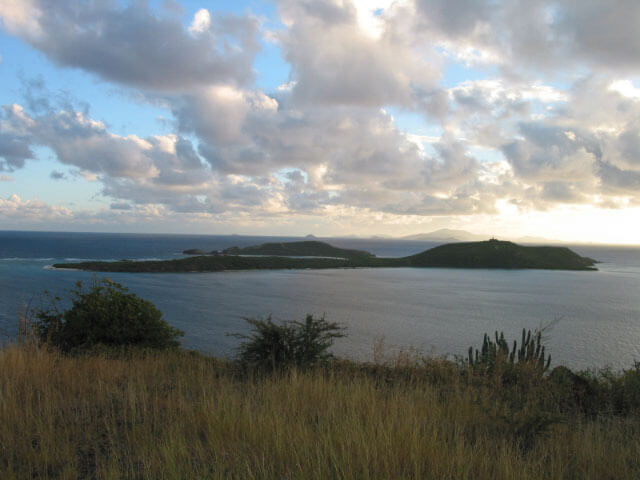
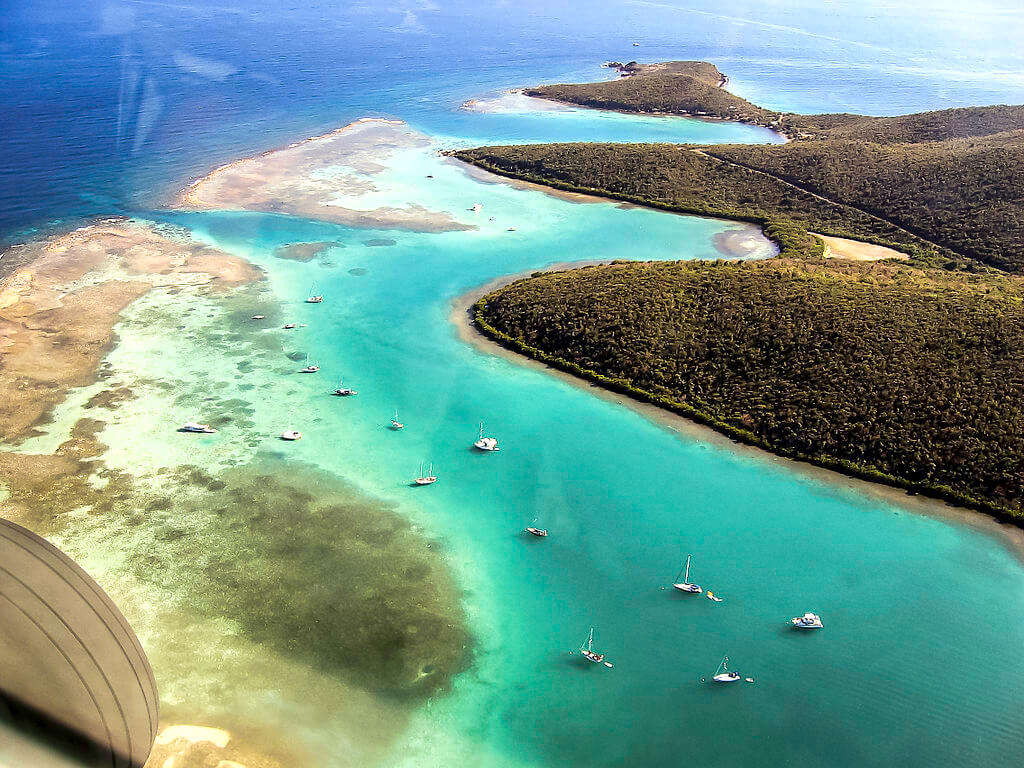
Protecting Paradise: The Wildlife Refuges of Puerto Rico's Eastern Islands
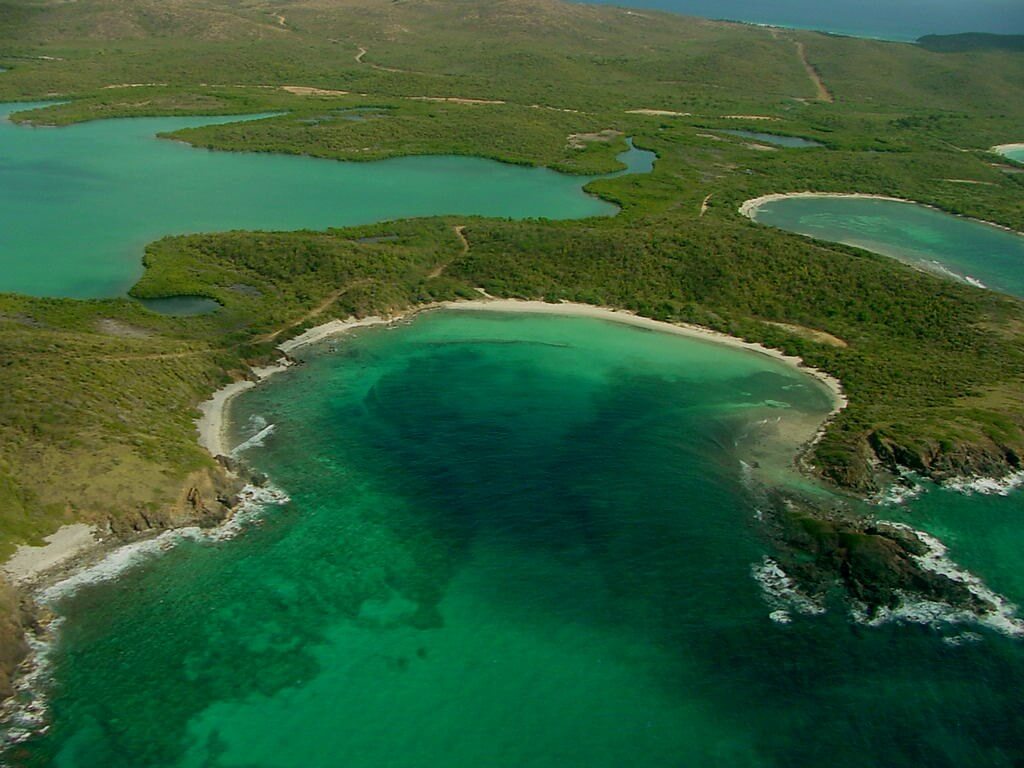
The national wildlife refuges of Vieques and Culebra represent two of the Caribbean's most significant conservation success stories, protecting pristine ecosystems on Puerto Rico's eastern islands. The Vieques National Wildlife Refuge, established in 2003 on former U.S. Navy lands, encompasses 7,284 hectares (18,000 acres) across 55% of Vieques Island. The Culebra National Wildlife Refuge, founded much earlier in 1909, protects 607 hectares (1,500 acres) of critical marine and coastal habitat across 23 offshore cays and portions of Culebra's coastline. Together, these refuges safeguard some of the most biodiverse and ecologically intact habitats remaining in the U.S. Caribbean, serving as sanctuaries for endangered species while supporting sustainable tourism and scientific research.
Historical Background
Culebra National Wildlife Refuge: A Pioneer in Caribbean Conservation
The Culebra National Wildlife Refuge holds the distinction of being one of the first wildlife refuges established in the Caribbean region. Created by President Theodore Roosevelt in 1909, it was initially designated to protect seabird colonies on offshore cays that egg collectors and guano harvesters were decimating. The refuge originally focused on preserving nesting habitat for brown boobies (Sula leucogaster), magnificent frigatebirds (Fregata magnificens), and other colonial seabirds.
Like Vieques, Culebra experienced decades of U.S. military presence, with the Navy using portions of the main island and surrounding waters for bombing practice and naval exercises. Community resistance led to the cessation of military activities in 1975, allowing for refuge expansion and improved habitat protection.
Vieques: From Bombing Range to Wildlife Sanctuary
The Vieques refuge's origin story is more dramatic, emerging from 62 years of U.S. Navy bombing exercises that began in 1941. The military controlled 73% of the island, using the eastern and western sections as impact areas while restricting the civilian population to a narrow central zone. The death of civilian guard David Sanes Rodríguez in 1999 catalyzed international protests that ultimately forced military withdrawal in 2003.
The transformation from active bombing range to protected wildlife habitat represents one of the most remarkable conservation achievements in U.S. history. Former impact areas, scarred by decades of ordnance and contaminated with unexploded munitions, are gradually recovering as natural ecosystems while serving as critical habitat for endangered species.
Ecosystems and Biodiversity
Terrestrial Environments
Both refuges protect subtropical dry forest ecosystems, among the Caribbean's most threatened habitat types. These forests are dominated by drought-adapted species, including Bursera simaruba (turpentine tree), Guaiacum officinale (lignum vitae), and various cacti. The Vieques refuge contains more extensive terrestrial habitat, with approximately 6,000 hectares (15,000 acres) of dry forest and shrubland in various stages of recovery.
Culebra's terrestrial refuge areas, while smaller, protect important examples of dry forest communities on the main island's hills and coastal areas. Both refuges support the endemic Puerto Rican vireo (Vireo latimeri) and numerous other resident and migratory bird species.
Marine and Coastal Ecosystems
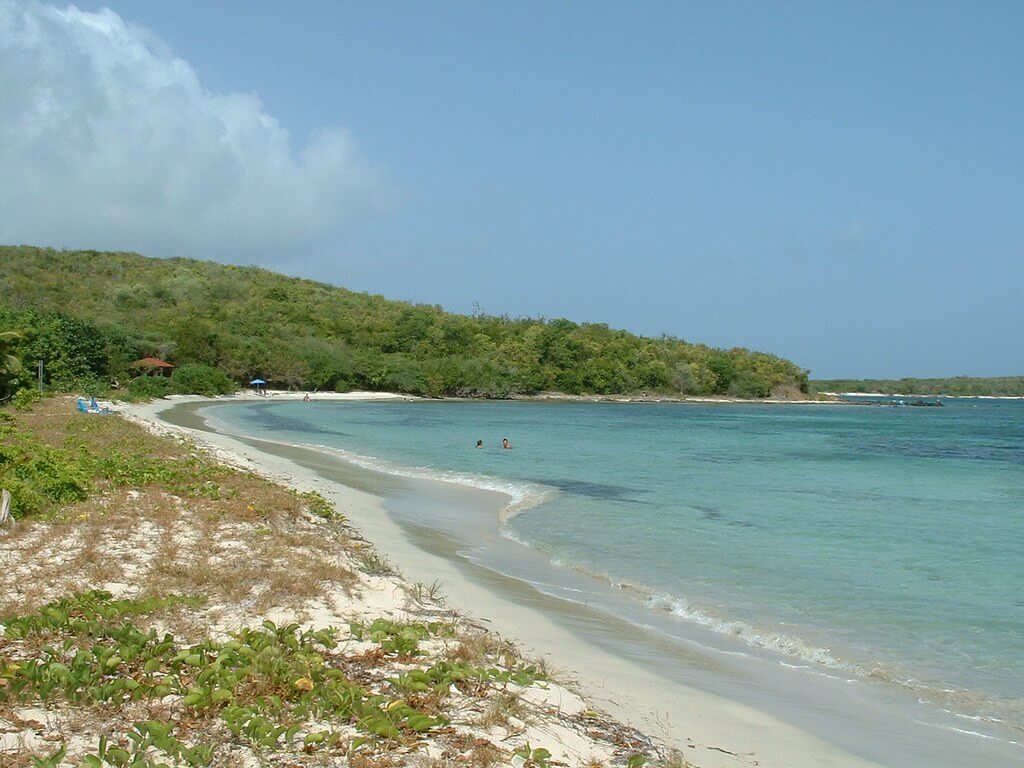
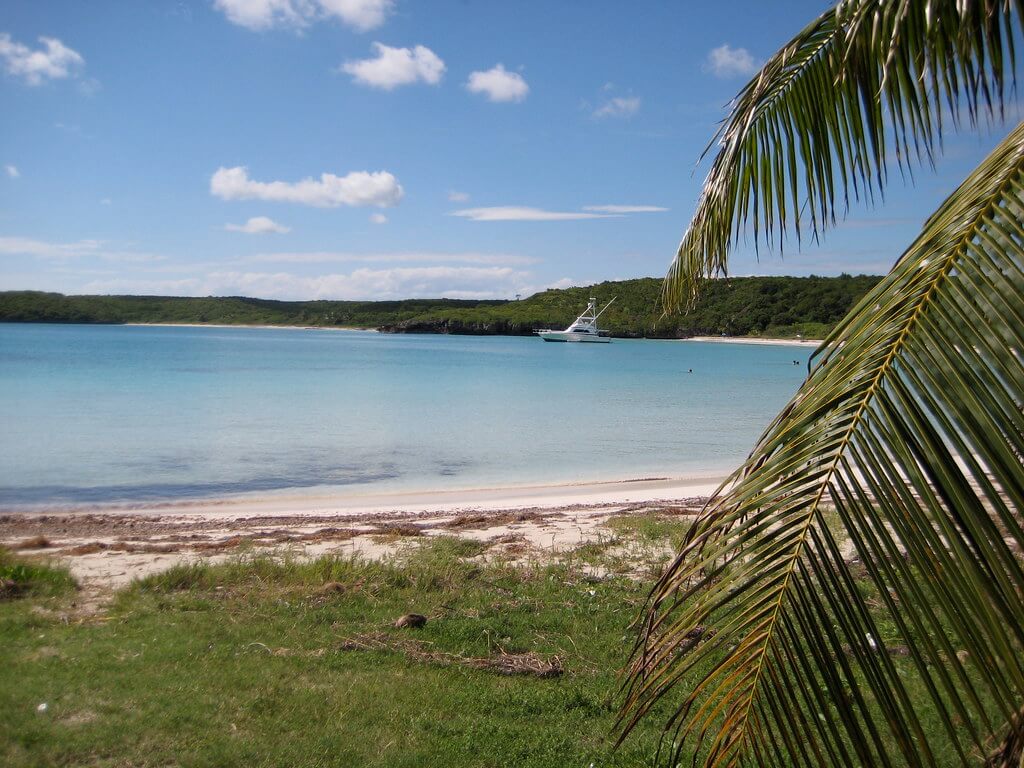
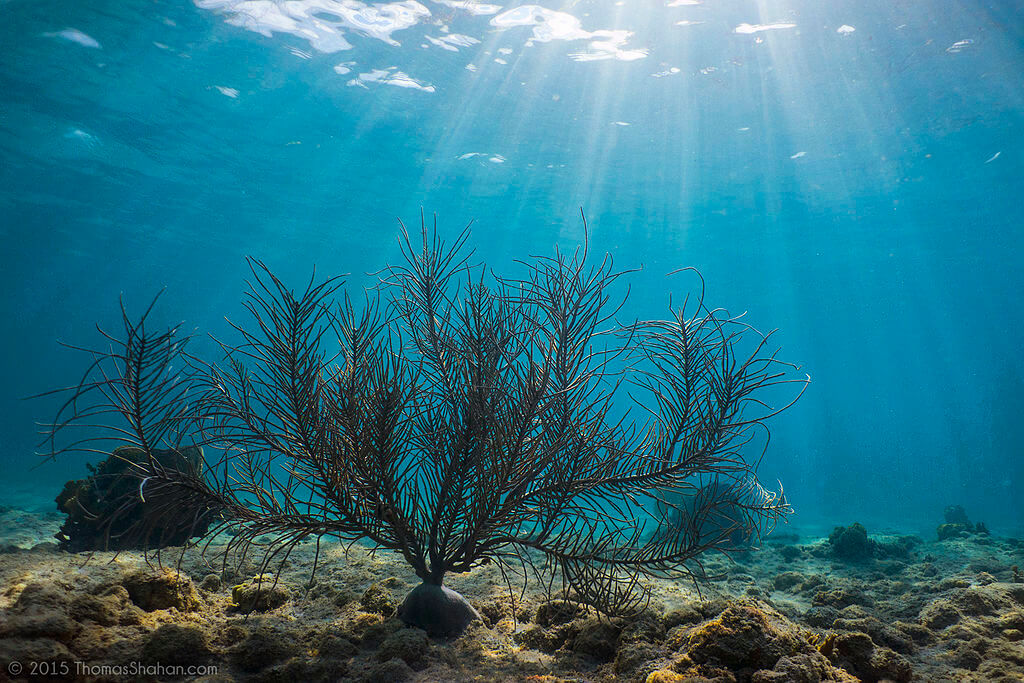
The refuges collectively protect over 50 kilometers (31 miles) of pristine coastline, including white sand beaches, rocky shores, and extensive coral reef systems. Marine habitats support over 250 fish species and 40 coral species, including threatened elkhorn coral (Acropora palmata) and staghorn coral (Acropora cervicornis).
Seagrass beds dominated by turtle grass (Thalassia testudinum) provide crucial feeding habitat for endangered green sea turtles (Chelonia mydas) and threatened West Indian manatees (Trichebus manatus). These underwater meadows also serve as nurseries for commercially important fish species and contribute significantly to coastal protection and carbon sequestration.
Unique Features
Vieques contains the world's brightest bioluminescent bay, Bahía Mosquito, where dinoflagellates (Pyrodinium bahamense) create spectacular blue-green luminescence. This natural phenomenon occurs due to the bay's unique environmental conditions, including optimal salinity levels and restricted water exchange with the open ocean.
Culebra's refuge includes some of the Caribbean's most important seabird nesting colonies, with thousands of birds utilizing offshore cays during breeding seasons. The refuge's 23 cays provide predator-free nesting habitat essential for species recovery and population maintenance.
Endangered Species Conservation
Sea Turtles
Both refuges serve as critical nesting habitat for four sea turtle species. Vieques hosts one of Puerto Rico's most important leatherback turtle (Dermochelys coriacea) nesting beaches, with 50-100 nests annually. The island also supports significant hawksbill turtle (Eretmochelys imbricata) nesting, making it one of the most important hawksbill sites in the U.S. Caribbean.
Culebra's beaches, particularly on the main island and Culebrita Cay, provide additional nesting habitat for hawksbill, green, and loggerhead turtles (Caretta caretta). The refuge's protection of both nesting beaches and adjacent marine foraging areas creates comprehensive habitat protection for these endangered species.
Seabirds
The Culebra refuge protects the largest seabird colonies in Puerto Rico, with estimated populations of 3,000 brown boobies, 500 magnificent frigatebirds, and smaller numbers of red-billed tropicbirds (Phaethon aethereus) and masked boobies (Sula dactylatra). These colonial nesters require predator-free islands for successful reproduction, making the offshore cays essential for species conservation.
Both refuges support brown pelican (Pelecanus occidentalis) populations that have recovered dramatically since DDT bans eliminated reproductive failures caused by eggshell thinning. These impressive seabirds now thrive in both refuge areas, serving as indicators of ecosystem health.
Marine Mammals
West Indian manatees utilize seagrass beds and warm-water areas around both islands for feeding and resting. These gentle giants, which can reach lengths of 4 meters (13 feet), face threats from boat strikes and habitat degradation. Refuge protection of critical feeding habitat supports regional manatee conservation efforts.
Humpback whales (Megaptera novaeangliae) migrate through refuge waters during winter months, utilizing the area as part of their Caribbean breeding grounds. While not permanent residents, their presence adds to the refuges' marine biodiversity and provides opportunities for responsible whale watching.
Management Challenges
Unexploded Ordnance
The most significant challenge facing Vieques refuge management involves unexploded ordnance (UXO) contamination from six decades of military bombing. An estimated 5% of ordnance failed to explode, creating safety hazards that limit public access and management activities. UXO removal is extremely expensive and time-consuming, requiring specialized contractors and sophisticated detection equipment.
Approximately 3,440 hectares (8,500 acres) of high-priority areas have been cleared, focusing on locations near communities and designated for public access. However, much of the refuge remains contaminated, preventing comprehensive habitat management and restoration activities.
Invasive Species
Both refuges face significant challenges from invasive plant and animal species. Introduced grasses, particularly Dichanthium annulatum (Kleberg bluestem), dominate many areas and alter fire regimes. Feral animals, including cats, dogs, pigs, and goats, impact native wildlife through predation, competition, and habitat degradation.
Management efforts include mechanical removal of invasive plants, trapping and removal of feral animals, and restoration plantings of native species. However, the refuges' large size and limited access due to UXO contamination on Vieques make comprehensive invasive species control challenging.
Climate Change Impacts
Rising sea levels, changing precipitation patterns, and intensifying hurricanes pose increasing threats to refuge ecosystems. Coastal areas face particular vulnerability, with some beaches already showing erosion and saltwater intrusion. Coral reefs have experienced significant bleaching events, with some areas losing over 50% of coral cover during recent decades.
Adaptation strategies include habitat corridor creation, coral reef restoration, and native species propagation to support ecosystem resilience. However, the islands' isolation limits adaptation options compared to continental protected areas.
Research and Conservation Programs
Both refuges support extensive research programs that monitor ecosystem recovery and species population trends. Long-term datasets provide crucial information for adaptive management and help scientists understand recovery processes following military disturbance.
Sea turtle monitoring programs track nesting success and population trends across both refuges, involving refuge staff, researchers, and volunteer organizations. These programs generate essential data while creating community engagement opportunities.
Coral reef research investigates restoration techniques, including coral nurseries and assisted recruitment programs. These studies provide insights applicable to coral conservation efforts throughout the Caribbean region.
University partnerships facilitate long-term research projects while providing educational opportunities for students. Collaborations include work with the University of Puerto Rico, Inter American University, and various mainland institutions.
Public Access and Education
Both refuges provide recreational opportunities that support conservation goals through environmental education and economic benefits to local communities. Activities include wildlife observation, photography, hiking, swimming, and snorkeling in designated safe areas.
Vieques offers access to spectacular beaches, including Red Beach, Blue Beach, and Green Beach, along with bioluminescent bay tours managed through permitted operators. Culebra provides access to pristine beaches and exceptional snorkeling opportunities around coral reefs and cays.
Environmental education programs serve both residents and visitors, focusing on ecosystem functioning, species protection, and conservation history. These programs include guided tours, school visits, and special events highlighting seasonal phenomena such as sea turtle nesting.
Economic and Community Impact
The refuges have become significant economic drivers for both islands, supporting tourism-based businesses including hotels, restaurants, tour operators, and transportation services. Refuge-related tourism generates millions of dollars annually in local economic activity while supporting hundreds of jobs.
Community engagement emphasizes collaboration with residents through advisory groups, employment opportunities, and volunteer programs. Local organizations serve as important partners in conservation activities and environmental education.
The transition from military restrictions to wildlife protection has created new economic opportunities while allowing access to traditional fishing areas and beaches previously off-limits due to military activities.
Future Directions
Continued success requires ongoing collaboration between federal agencies, local communities, research institutions, and conservation organizations. Priority areas include completing UXO cleanup on Vieques, expanding marine protected areas, and developing climate change adaptation strategies.
Advances in technology offer new opportunities for monitoring and management, including remote sensing, automated wildlife cameras, and acoustic monitoring systems. These tools are particularly valuable for monitoring sensitive species and areas with limited access.
Regional collaborations with other Caribbean protected areas can enhance conservation effectiveness through shared research, management techniques, and species protection strategies, particularly important for migratory species and marine conservation efforts.
Conclusion
The Vieques and Culebra National Wildlife Refuges demonstrate the potential for environmental recovery and conservation success in the Caribbean. From Culebra's pioneering seabird protection to Vieques' dramatic transformation from bombing range to wildlife sanctuary, both refuges showcase the resilience of natural systems and the effectiveness of dedicated conservation efforts.
These refuges protect some of the last remaining examples of Caribbean subtropical dry forests, pristine coral reefs, and critical habitat for endangered species. Their integration with local communities through sustainable tourism and environmental education provides a model for conservation that recognizes the interdependence of human and natural systems.
While challenges remain, including contamination cleanup, invasive species management, and climate change adaptation, the refuges' continued success offers hope for conservation in island environments worldwide. They stand as testaments to the power of community activism, scientific research, and collaborative management in achieving lasting conservation goals while supporting local communities and advancing our understanding of Caribbean ecosystems.