Natural Landmarks in South America

The Colca Canyon: Peru's Natural Wonder

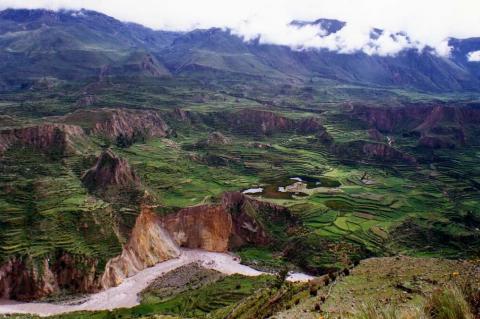
The Colca Canyon, twice as deep as the Grand Canyon and rivaled only by nearby Cotahuasi for the title of deepest in Peru, takes its name from the ancient qullqa storehouses of the Collagua and Cabana peoples, whose stone-walled agricultural terraces still feed the valley today and whose thermal-riding Andean condors have made this one of the best places on Earth to watch the world's largest flying bird.
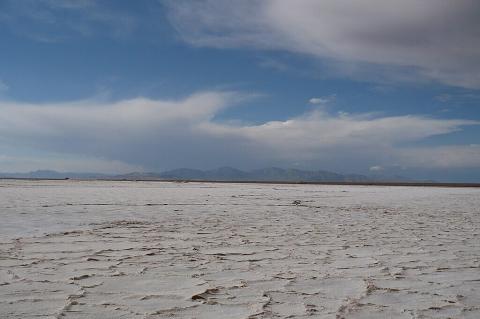
The Crystalline Expanse: Salinas Grandes and Argentina's High-Altitude Salt Desert

Stretching across the rugged landscape of northwestern Argentina like a frozen sea of white crystals, Salinas Grandes stands as one of South America's most spectacular natural phenomena. These vast salt flats represent the third-largest salt desert in South America and one of the most accessible high-altitude salars on the continent. The gleaming white expanse offers visitors an otherworldly experience that combines geological wonder with cultural significance, creating a destination that captivates scientists, photographers, and travelers.

The Enchanting Elqui Valley and Historic Pisco Elqui

The Elqui Valley, nestled in northern Chile, is a picturesque region that captures the essence of natural beauty and agricultural richness. This valley is renowned for its stunning landscapes, bright sunshine, pure air, and clear skies. The Elqui Valley is recognized as northern Chile's most commercially viable wine-producing region, and its skies have made it one of the most important places on Earth for observational astronomy.

The Galápagos Archipelago: Conservation, Challenges, and Evolutionary Marvels

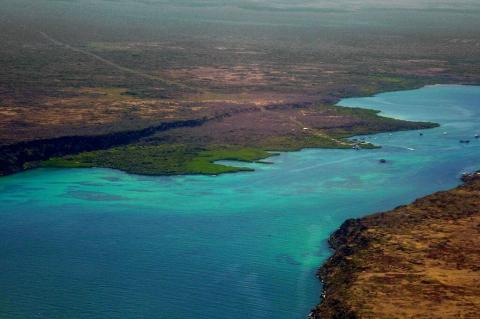
The Archipiélago de Colón, more widely known as the Galápagos Islands, is an archipelago in the Pacific Ocean west of Ecuador's coast. These islands are renowned for their unique biodiversity and pivotal role in developing the theory of evolution by natural selection, proposed by Charles Darwin. The islands, encompassing the Galápagos Province, the Galápagos National Park, and the Galápagos Marine Reserve, represent one of the planet's most important and unique ecological areas.

The Iberá Wetlands: Argentina's Natural Wonderland

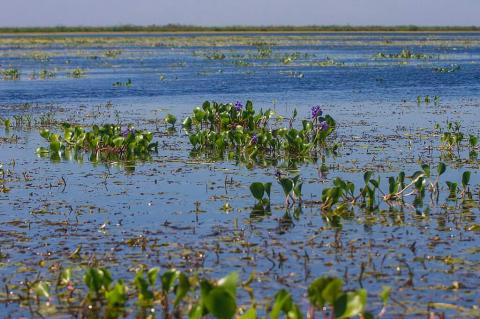
Nestled in the province of Corrientes in northeastern Argentina, the breathtaking ecosystem known as the Iberá Wetlands lies. This expansive wetland marvel unfolds as a mosaic of marshes, swamps, bogs, lakes, and lagoons, forming one of the most significant freshwater reservoirs in South America. Beyond its sheer size, this intricate network of water bodies plays a pivotal role in sustaining the region's water supply and acting as a crucial force in flood control.

The Majesty of Ice: Exploring the Perito Moreno Glacier and Los Glaciares National Park

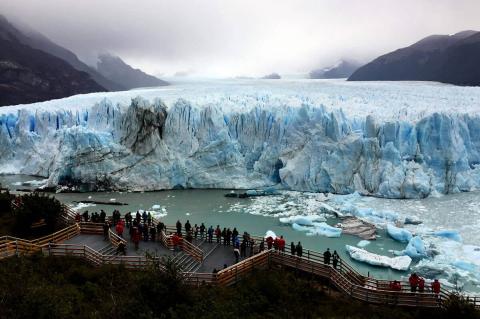
In the remote expanse of Argentine Patagonia, an extraordinary natural spectacle unfolds at the Perito Moreno Glacier, one of the most iconic landmarks of Argentina's Los Glaciares National Park. The glacier, known for its dramatic size, captivating beauty, and regular ruptures, symbolizes the region's glacial power and is a significant tourist destination. Located near the town of El Calafate, this massive ice formation is part of the Southern Patagonian Ice Field, one of the world's largest freshwater reserves.

The Vibrant Heart of Colombia: Serranía de la Macarena National Natural Park and Caño Cristales

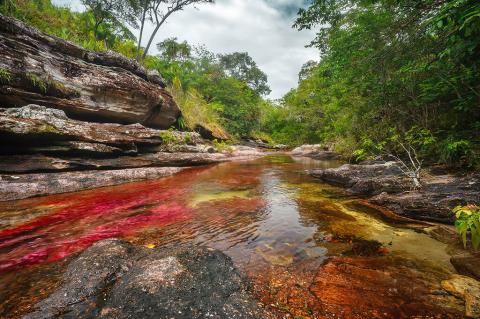
Nestled within the Colombian Andes, the Serranía de la Macarena National Natural Park and the breathtaking Caño Cristales River, often called the "River of Five Colors" or the "Liquid Rainbow," are testaments to Colombia's natural beauty and ecological diversity. These areas in the Meta department offer visitors a unique glimpse into the region's geological wonders, rich biodiversity, and vibrant ecosystems.

Tierra del Fuego: Archipelago of Fire and Ice

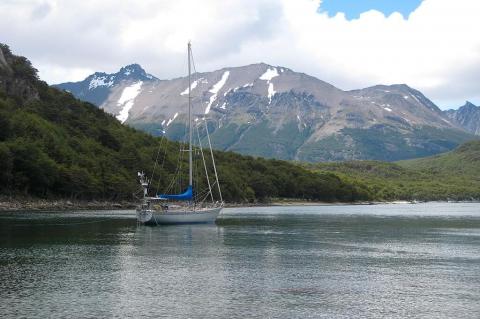
At the southernmost extremity of South America, where the continent fragments into a thousand islands scattered across tempestuous seas, lies Tierra del Fuego, the "Land of Fire." Ferdinand Magellan, the Portuguese explorer who first glimpsed these shores in 1520, named the archipelago after witnessing the countless fires lit by Indigenous peoples along the coastline. Five centuries later, the region remains one of the most sparsely populated and geologically dynamic corners of the continent.

Torres del Paine: A Breathtaking Journey Through Patagonia's Iconic Wilderness

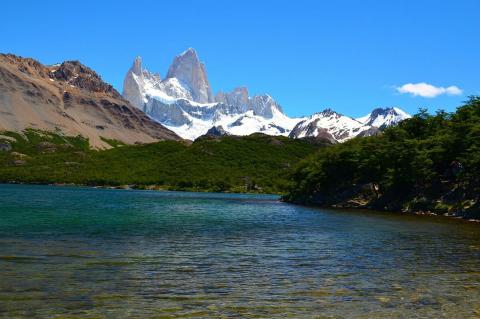
Deep within the heart of Chilean Patagonia, where the mighty Andes Mountains converge with the vast Patagonian Steppe, lies a realm of unparalleled natural beauty – Torres del Paine National Park. This breathtaking expanse of rugged peaks, glaciers, lakes, and rivers is undoubtedly one of the world's most iconic wilderness areas. The Cordillera del Paine stands at its core, a majestic mountain range that rises sharply above the surrounding terrain.

Where Mountains Meet the Sea: The Cultural and Natural Tapestry of Paraty and Ilha Grande

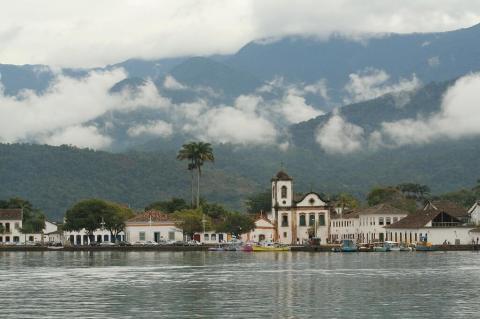
Nestled between the Serra da Bocaina mountain range and the Atlantic Ocean, the World Heritage Site of Paraty and Ilha Grande, located in the states of Rio de Janeiro and São Paulo, is a unique blend of rich cultural history and stunning biodiversity. It includes the historic center of Paraty, the island of Ilha Grande, and four protected natural areas of the Brazilian Atlantic Forest, one of the world's critical biodiversity hotspots. This remarkable site offers a window into Brazil's colonial past, showcasing its commitment to preserving its natural treasures.