
The Iberá Wetlands: Argentina's Natural Wonderland
The Iberá Wetlands, one of South America's largest freshwater reserves, are also home to one of the continent's most ambitious rewilding programs. This Tompkins Conservation initiative returned jaguars to the wild after 70 years and, as recently as 2025, achieved the world's first successful reintroduction of the giant river otter.
Iberá: Where Jaguars Came Back From 70 Years of Silence
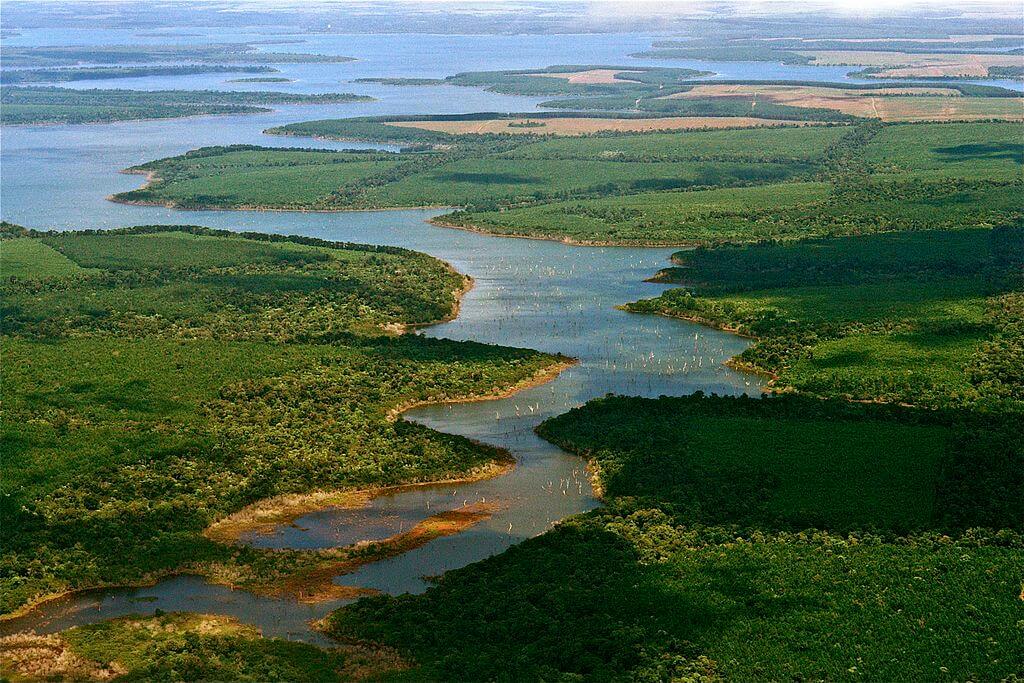
Nestled in the province of Corrientes in northeastern Argentina lies the breathtaking ecosystem known as the Iberá Wetlands, or Esteros del Iberá. This expansive wetland marvel unfolds as a mosaic of marshes, swamps, bogs, lakes, and lagoons, forming one of the most significant freshwater reservoirs in South America.
Seamlessly integrated into the Humid Chaco ecoregion, the Iberá Wetlands serve as an ecological haven, spanning 13,000-15,000 sq km (5,800-6,000 sq mi). Beyond its sheer size, this intricate network of water bodies plays a pivotal role in sustaining the region's water supply and acting as a crucial force in flood control. Today, it is also the site of one of South America's most closely watched conservation experiments: a large-scale rewilding program that has returned jaguars, giant river otters, and other locally extinct species to a landscape they had not inhabited in generations.
Ecosystem Dynamics
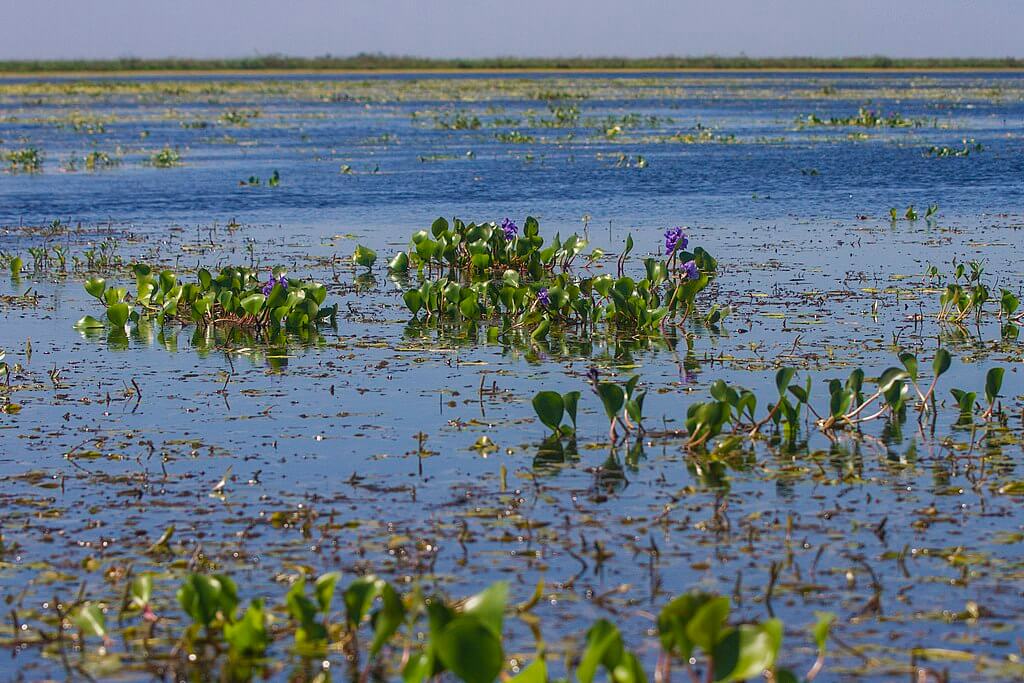
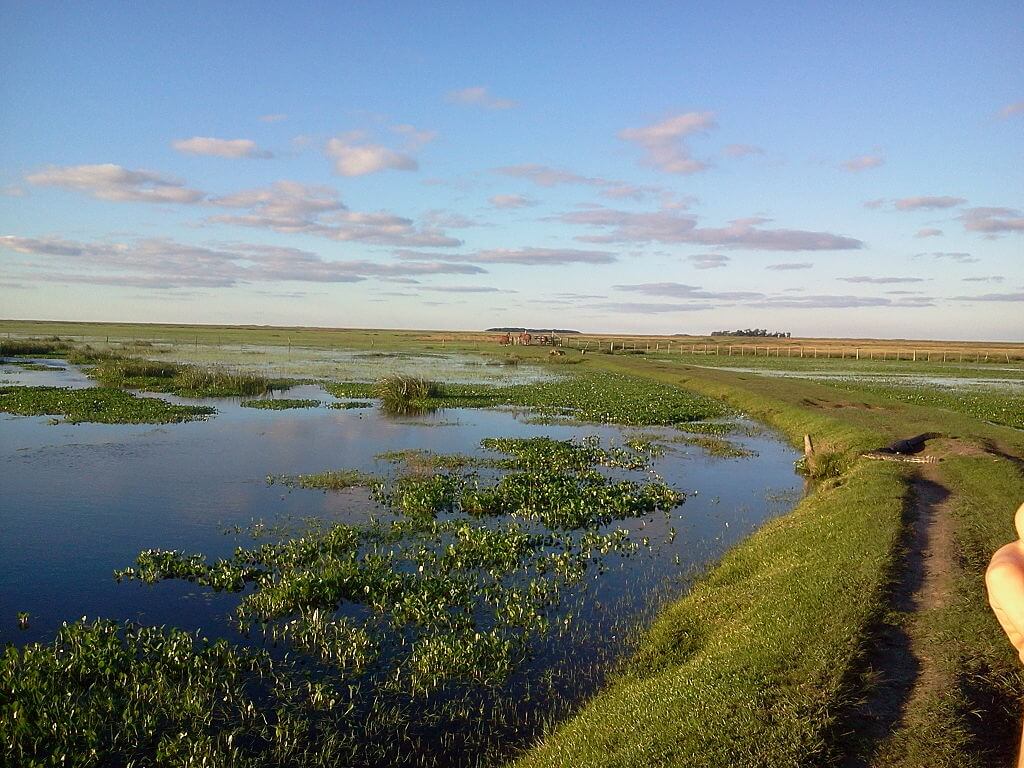
The Iberá Wetlands form a mesmerizing landscape where water and land interweave to create a dynamic and ever-changing environment. Marshes stretch like a quilt, swamps paint a picturesque scene, bogs breathe life into the soil, lakes mirror the sky, and lagoons ripple with the dance of aquatic life. This intricate tapestry of wetlands showcases the delicate balance between marine and terrestrial ecosystems, offering a sanctuary for a rich diversity of life.
Biodiversity
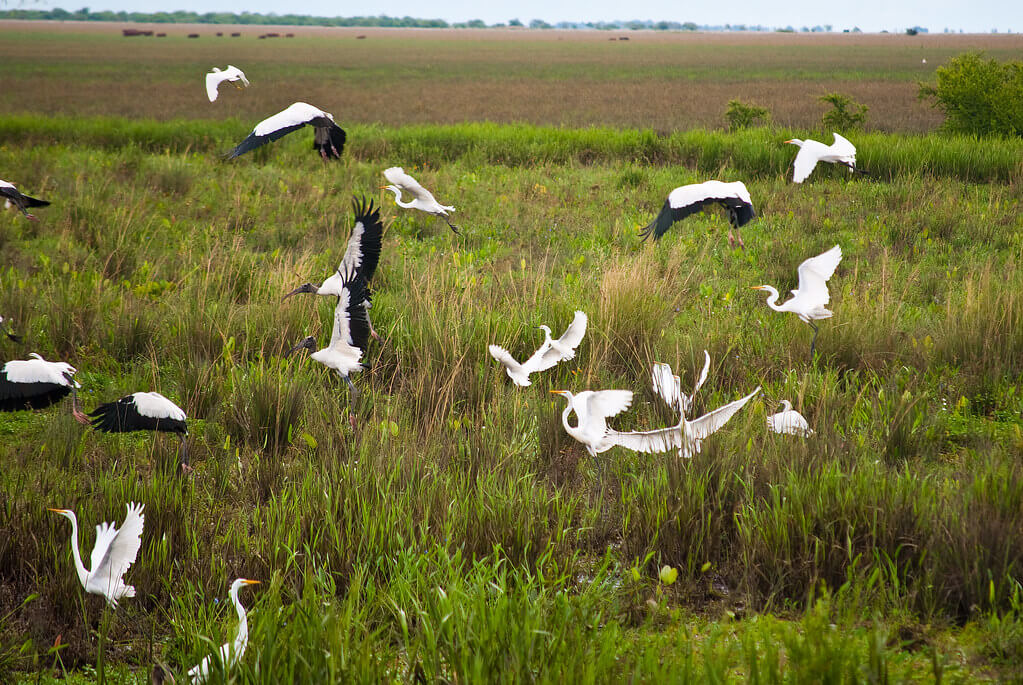
At the heart of the Iberá Wetlands lies a treasure trove of biodiversity, earning it the title of Argentina's natural wonderland. The wetlands host over 4,000 plant and animal species, many endemic and some endangered, and are a haven for birdlife, with over 350 species documented, including flamingos, herons, and the iconic southern screamer.
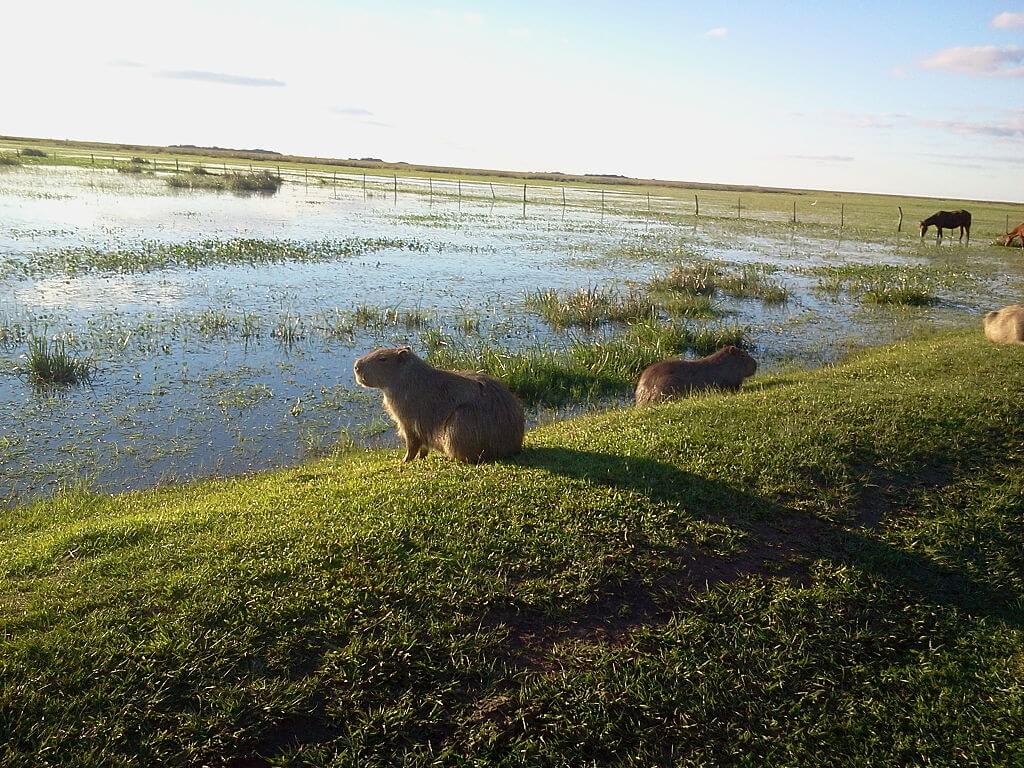
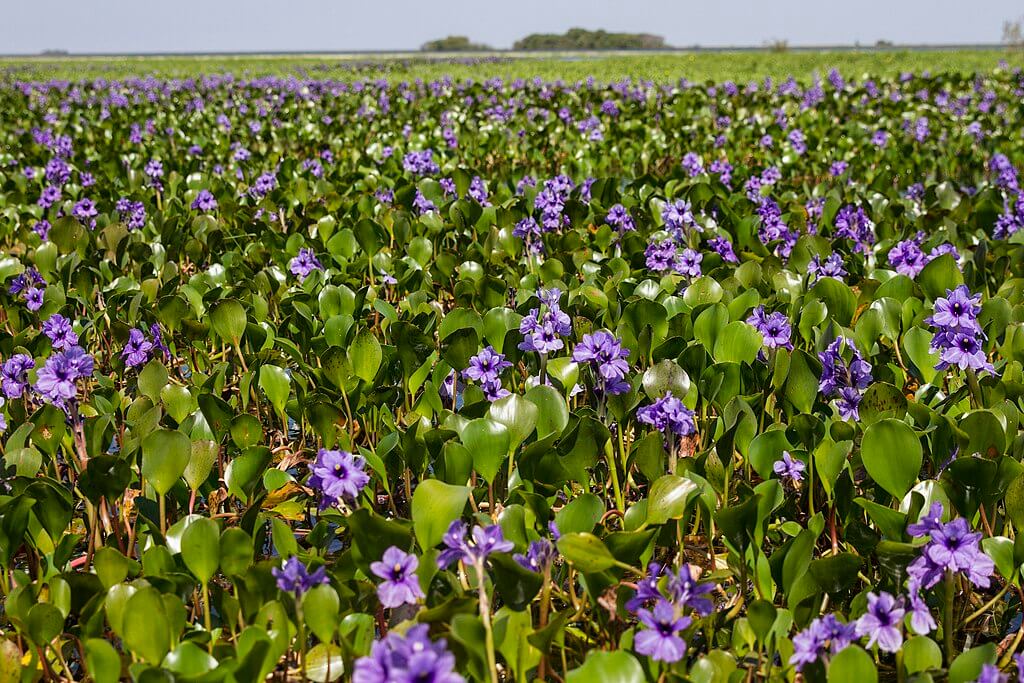
The water bodies teem with diverse aquatic life, from capybaras (Hydrochoerus hydrochaeris), the world's largest rodent, wading through the shallows, to yacare caimans (Caiman yacare) lurking beneath the surface. The maned wolf (Chrysocyon brachyurus), an endangered, long-legged canid unrelated to true wolves, hunts across the wetlands' drier grassy margins, while fish species like dorado and surubí thrive in open water, sustaining the delicate balance of the ecosystem's food web. The flora of the Iberá Wetlands is equally captivating, featuring aquatic plants, floating meadows, and lush vegetation along the shores, with species' resilience adapted to wet and dry conditions creating a botanical spectacle unique to this region.
Water Source and Flood Control
Beyond serving as a haven for biodiversity, the Iberá Wetlands also function as a vital water source for the region. The interconnected water bodies act as natural reservoirs, storing water during the rainy season and gradually releasing it during drier periods. This natural regulation helps prevent flooding downstream, demonstrating the wetlands' integral role in flood control.
Rewilding Iberá: Bringing Back What Was Lost
Iberá's transformation from a hunted-out, cattle-grazed landscape into one of Argentina's flagship conservation projects began in earnest with the 2018 creation of Iberá National Park, built on land donated by Douglas and Kristine Tompkins through Tompkins Conservation, the same organization behind the Route of Parks and Parque Patagonia in Chilean and Argentine Patagonia. Working in partnership with Rewilding Argentina, the province of Corrientes, and national park authorities, the project has since reintroduced nine locally extinct or extirpated species to the wetlands, with results that have drawn international attention.
The jaguar (Panthera onca), South America's largest cat, had been absent from Corrientes for roughly 70 years, hunted and displaced to the point of local extinction; only around 200 jaguars remain in Argentina today. In January 2021, Mariua, an adult female rescued as an orphaned cub in Brazil, was released into the wetlands alongside her two captive-born cubs, the first jaguars to roam wild in the province in seven decades. A dedicated Jaguar Reintroduction Center within the park has since bred and released further individuals, tracked via GPS and VHF collars in ongoing partnership with Argentina's national parks administration.
The giant river otter (Pteronura brasiliensis) had been extinct in Argentina since 1986, wiped out by illegal hunting and habitat loss. Rewilding Argentina began a reintroduction program in 2017, releasing the first individual, Alondra, from Budapest Zoo in 2019; by July 2025, a full family of four, including two pups born in captivity, had been released into the wetlands, a milestone described as the first successful reintroduction of the species anywhere in the world. The ocelot (Leopardus pardalis) followed as Iberá's seventh reintroduced species, also a world first for that species, alongside earlier returns of the giant anteater and the red-and-green macaw, an important seed disperser for the wetlands' native vegetation.
According to Kristine Tompkins, president of Tompkins Conservation, the project reflects a broader philosophy: restoring apex predators and other keystone species can recalibrate entire ecosystems, as the return of wolves famously reshaped Yellowstone. The rewilding program has also become central to the local economy, with wildlife-watching tourism now a principal source of income for communities across Corrientes Province that once depended almost entirely on cattle ranching and monoculture agriculture.
Protected Areas
Recognizing the ecological significance of the Iberá Wetlands, Argentina has worked to protect and preserve this natural wonder through a layered system of designations, together protecting roughly 800,000 hectares (2 million acres) of wetland habitat. Iberá National Park, the newest and highest level of protection, was established in 2018 on land donated by Tompkins Conservation and covers approximately 1,300 sq km (500 sq mi), preserving the wetlands' ecosystems, flora, fauna, and cultural heritage while supporting nature-based tourism and the rewilding program described above. The Iberá Natural Reserve, the original core protected area, was established in 1983 and covers approximately 1,340 sq km (517 sq mi); it is Argentina's largest protected area and is managed by the Conservation Land Trust in collaboration with local communities. The Iberá Provincial Reserve, also established in 1983 and covering approximately 1,720 sq km (664 sq mi), is managed directly by Corrientes Province and complements the other two designations, together preserving the wetlands' natural and cultural heritage while promoting sustainable development and ecotourism.
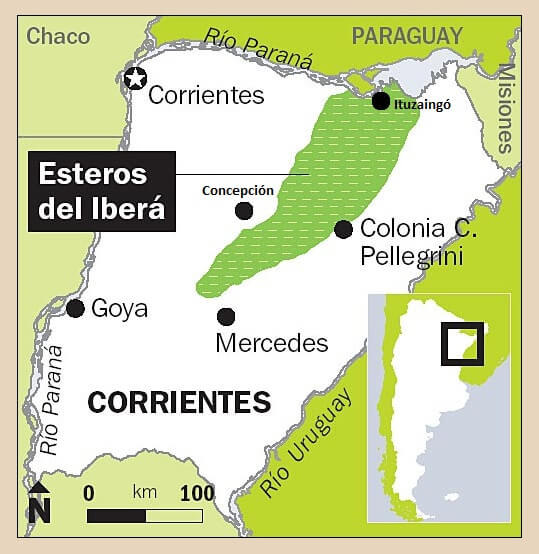
Map depicting the location of Esteros del Iberá, Corrientes, Argentina.
Iberá National Park
Iberá National Park, also known as Parque Nacional Iberá, encompasses diverse habitats such as marshes, swamps, lagoons, wet meadows, and forests, and is a crucial sanctuary for an extraordinary array of plant and animal species. Alongside the rewilding program's flagship jaguars and giant river otters, the park is home to marsh deer (Blastocerus dichotomus), howler monkeys, and over 350 documented bird species, including the roseate spoonbill, the striking black-and-white jabiru stork, and the critically endangered crowned solitary eagle. A network of trails and waterways supports hiking, boating, and wildlife observation, with guided tours and interpretive programs offering insight into the park's ecology and conservation efforts.
Iberá Natural Reserve
The Iberá Natural Reserve protects a spectacular array of streams, marshes, lagoons, and swamps covering about 14% of Corrientes Province. It is home to turtles, black caimans, giant anteaters, howler monkeys, various deer species, and over 360 bird species, along with the reintroduced jaguars and giant river otters described above. The Conservation Land Trust manages the reserve in close collaboration with local communities, with restoration of locally extinct species remaining central to its mission.
Iberá Provincial Reserve
The Iberá Provincial Reserve encompasses diverse ecosystems, including marshes, lagoons, swamps, and forests, providing vital habitat for capybaras, marsh deer, yacare caimans, and numerous bird species. The reserve promotes sustainable development and responsible tourism, allowing visitors to explore its trails while supporting the local economy, and holds cultural value as home to communities with long-standing connections to the land, whose heritage the reserve works to preserve and celebrate alongside its ecological mission.
Challenges and Conservation
Despite their ecological significance, the Iberá Wetlands face ongoing challenges. Human activities beyond the reserve's boundaries, including deforestation and pollution from surrounding agricultural land, threaten the ecosystem's delicate balance, even as the rewilding program within it shows what sustained, well-resourced conservation partnership can achieve. Continued success depends on sustaining cooperation between governmental agencies, Rewilding Argentina, and the local communities whose economic future is now closely tied to the health of the wetlands and the wildlife within them.
Conclusion
The Iberá Wetlands stand as a testament to the intricate beauty of nature and to what deliberate, sustained restoration can achieve: a watery wonderland where vibrant biodiversity, water regulation, and a layered system of protected areas have combined with one of the world's most ambitious rewilding programs to bring jaguars and giant river otters back from decades of local extinction. As Argentina continues its commitment to preserving and actively restoring this natural gem, the Iberá Wetlands stand as living proof that ecosystems pushed to the brink can, with enough patience and partnership, be rebuilt.