Andes Mountains

Cordillera de Vilcabamba: A Hidden Gem in the Peruvian Andes

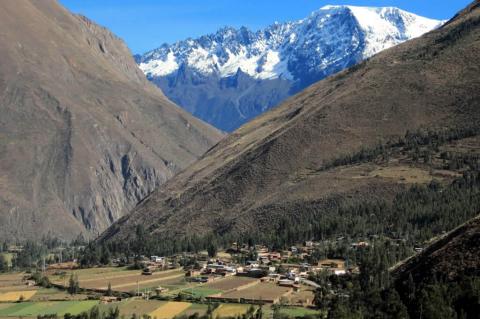
The Cordillera de Vilcabamba, a relatively small yet majestic mountain range within the Cordillera Central of the Peruvian Andes, is a testament to Peru's rugged beauty and rich biodiversity. Located in the Cusco region, this range forms a natural barrier between the Rio Urubamba to the north and the Rio Apurimac to the south. It is a geographical wonder and a repository of cultural and natural treasures, including the famed Machu Picchu.

Cordillera Huayhuash: A Peruvian Alpine Gem

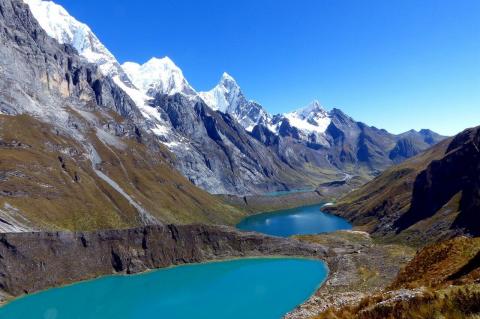
The Cordillera Huayhuash, a striking mountain range within the Peruvian Andes, captivates with its compact yet dramatic collection of snowy peaks and pristine landscapes. Positioned south of the Cordillera Blanca and spanning the Ancash, Lima, and Huánuco regions, the Cordillera Huayhuash is celebrated for its rugged beauty and challenging trekking routes. This area offers some of the Andes's most breathtaking and remote experiences.

Cordillera Negra: The Hidden Gem of the Peruvian Andes

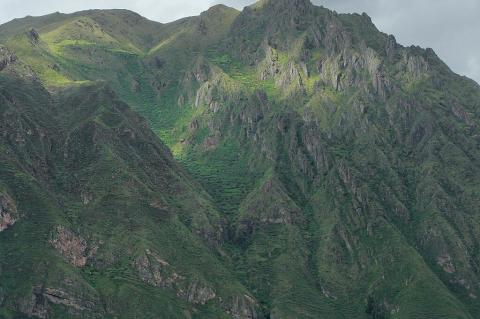
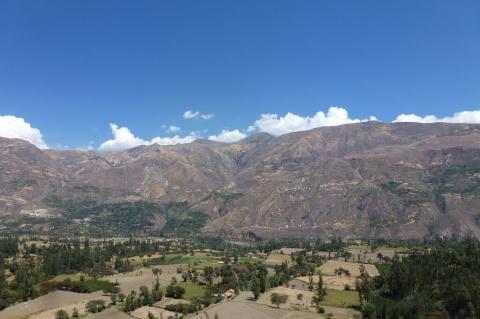
The Cordillera Negra, part of the Cordillera Occidental, is one of the three prominent mountain ranges in the Peruvian Andes. This range is situated in west-central Peru, within the Ancash Region, and is known for its stark and dramatic landscapes. It features rocky peaks and arid valleys contrasting sharply with the neighboring lush, glaciated terrain. Beyond its natural beauty, the Cordillera Negra is home to ancient archaeological sites that provide a window into the region's rich pre-Columbian history.

Cordillera Vilcanota: An Andean Marvel of Natural and Cultural Heritage

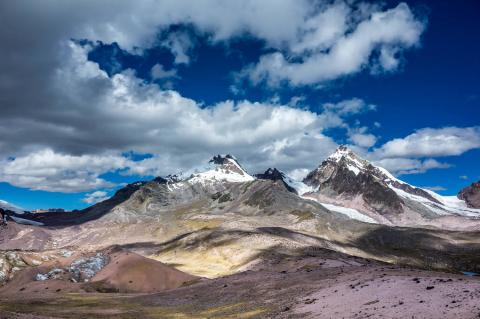
The Cordillera Vilcanota, nestled in southeastern Peru, is a testament to the Andes' stunning beauty and rich cultural legacy. Stretching across the departments of Cusco and Puno, this mountain range forms one of the southern branches of the Cordillera Occidental of the Peruvian Andes. Vinicunca, or "Rainbow Mountain," is a natural landmark. Ausangate, significant in Incan mythology, is the tallest peak in the range.

Exploring the Majestic Cordillera Blanca: Peru's Alpine Wonderland

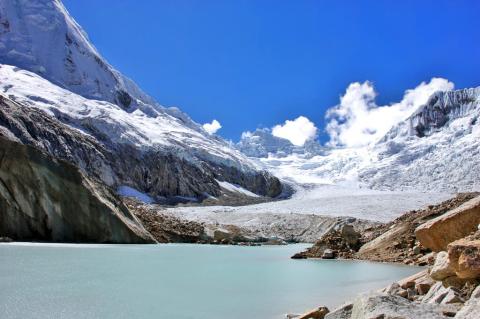
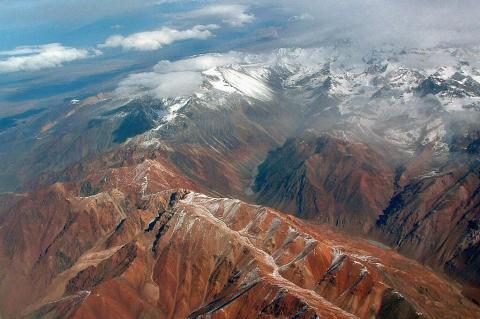
Peru's Cordillera Blanca is a testament to the breathtaking beauty and ecological richness that grace the Andes mountain system. Nestled in the north-central part of the Cordillera Occidental, this remarkable range is renowned as the world's highest tropical mountain range. It boasts towering peaks, sprawling glaciers, and pristine lakes that captivate the imagination of all who behold them.

Ojos del Salado: The Dormant Giant of the Andes

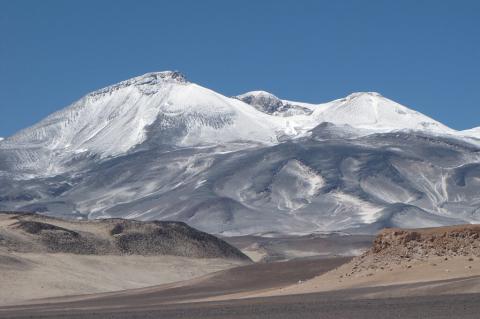
Nestled amidst the vast expanse of the Andes Mountains, Ojos del Salado emerges as a tranquil guardian—a dormant volcanic complex whose majestic demeanor encapsulates the essence of geological wonders. Situated along the border between Chile and Argentina, it claims the title of the highest volcano on Earth, making it a captivating subject for thorough exploration.

The American Cordillera and the Continental Divide: A Geographical Backbone Shaping the Americas

The Continental Divide of the Americas is a remarkable geographical feature serving as the primary hydrological divide across the American continent. Stretching from the northernmost reaches of North America at the Bering Strait to the southernmost tip of South America at the Strait of Magellan, this divide delineates the watersheds that drain into the Pacific Ocean from those that flow into the Atlantic Ocean, including the Gulf of Mexico and the Caribbean Sea.

The Bolivian Andes: Exploring Nature and Civilization Across the Cordilleras

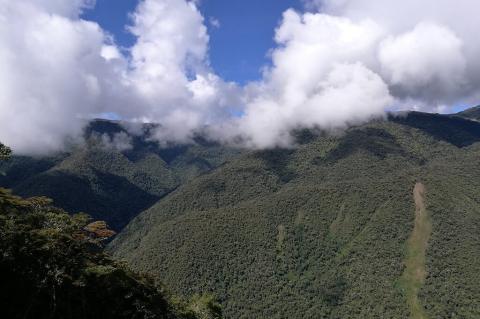
Stretching across the western portion of Bolivia, the Bolivian Andes are among the most captivating and formidable mountains in the world. Forming a vital segment of the Andes, they consist of two principal cordilleras, each with its own unique geographical, ecological, and cultural significance. These ranges are home to towering volcanic peaks, extensive glaciers, vast highland plateaus, and deep valleys that support diverse ecosystems and ancient cultures.

The Chilean and Argentine Andes: One Border, Two Climates

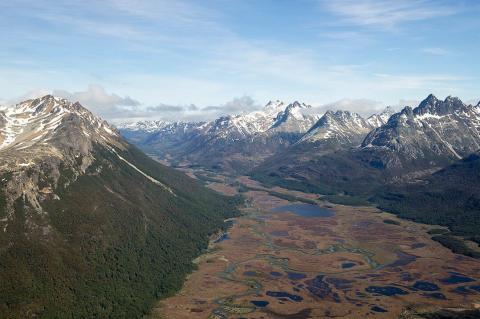
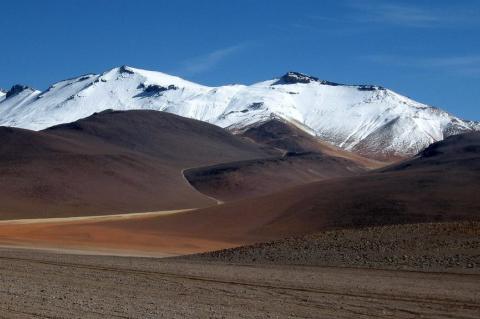
Stretching like a mighty spine along the western edge of South America, the Andes Mountain Range stands as a towering testament to nature's grandeur and complexity. At its heart lies the Chilean and Argentine Andes, where the border between these two nations runs for roughly 5,300 km (3,300 mi)—the longest international mountain border in the world—defined by soaring peaks, glacial valleys, and landscapes that shift from arid desolation in the north to lush, glaciated splendor in the south.

The Colombian Andes: A Confluence of Nature and Civilization

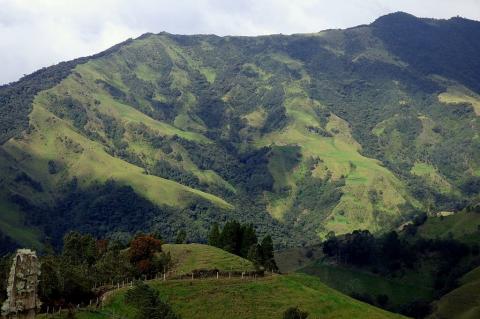
The Colombian Andes are a fascinating and complex part of the Andean mountain system, representing the northern extension of this vast range along South America's western coast. Here, the Andes divide into three parallel mountain chains that form a backbone that is vital to the country's geography, culture, and ecology. The Andean Natural Region encompassing them is Colombia's most populous natural region, hosting the great majority of the country's urban centers and its most significant pre-Columbian settlements.