
Protecting Paradise: The Islands and Protected Areas of the Gulf of California
The Gulf of California's Islands and Protected Areas feature 244 islands, islets, and coastal zones in northeastern Mexico. Known as "the world's aquarium," it faces threats, notably from the critically endangered vaquita. The area highlights biodiversity and the urgent need for global marine conservation.
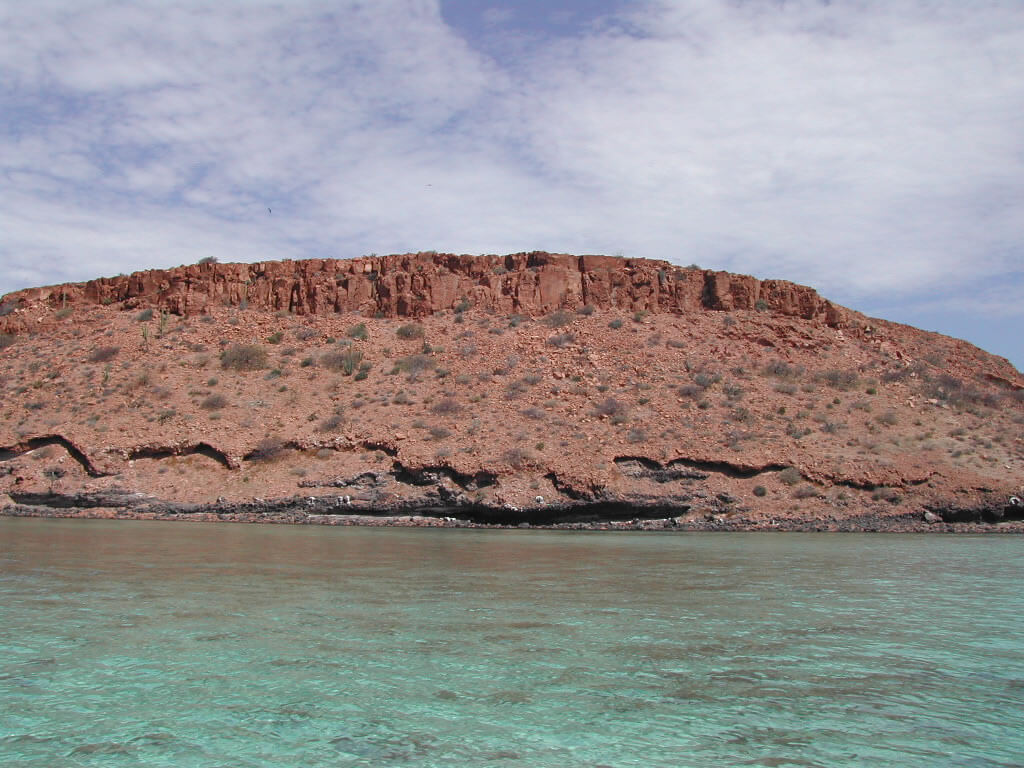
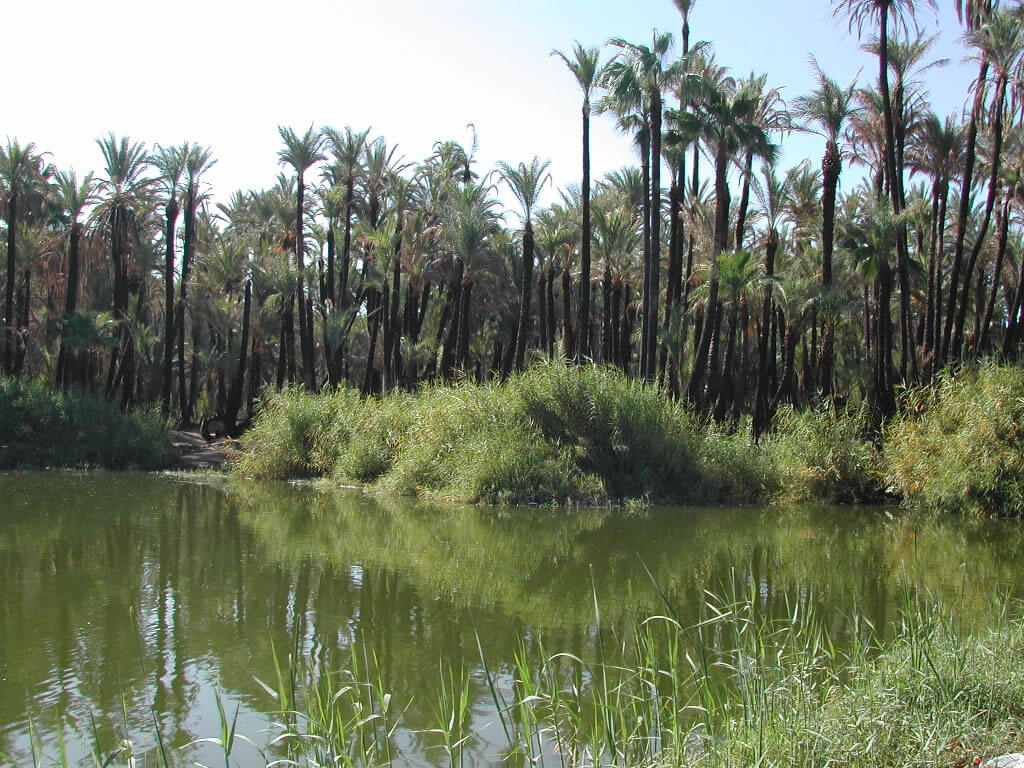
Islands and Protected Areas of the Gulf of California: A UNESCO World Heritage Site in Crisis
The Islands and Protected Areas of the Gulf of California, inscribed on the World Heritage List in 2005, comprises 244 islands, islets, and coastal areas located in the Gulf of California in northeastern Mexico. This remarkable UNESCO World Heritage Site represents what marine biologists have long called "the world's aquarium." However, this natural paradise faces unprecedented challenges that led to its inscription on the List of World Heritage in Danger in 2019 due to the critical situation of the vaquita, a key component of the site's Outstanding Universal Value.
The designation recognizes both the site's extraordinary biodiversity and the urgent need for international attention to preserve one of Earth's most threatened marine ecosystems. This World Heritage Site encapsulates both the wonder of natural evolution and the critical conservation challenges facing marine environments in the 21st century.
Scope and Geographical Extent
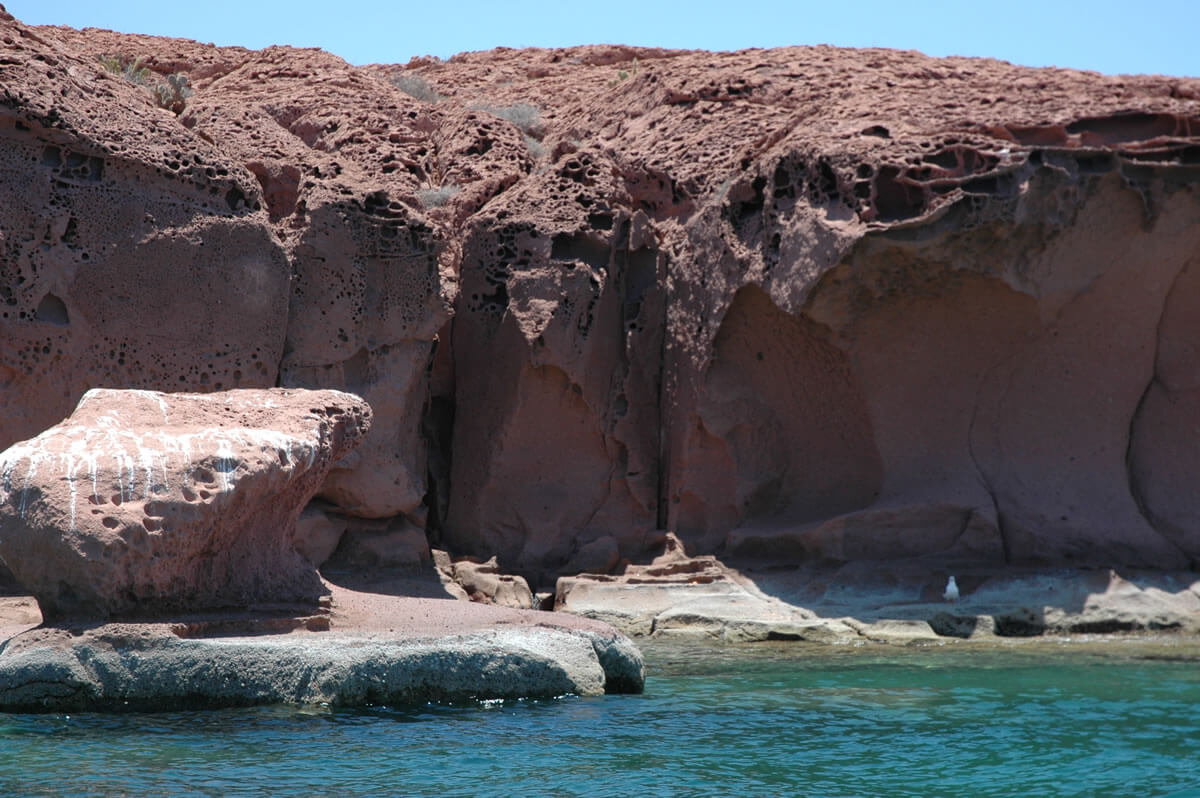
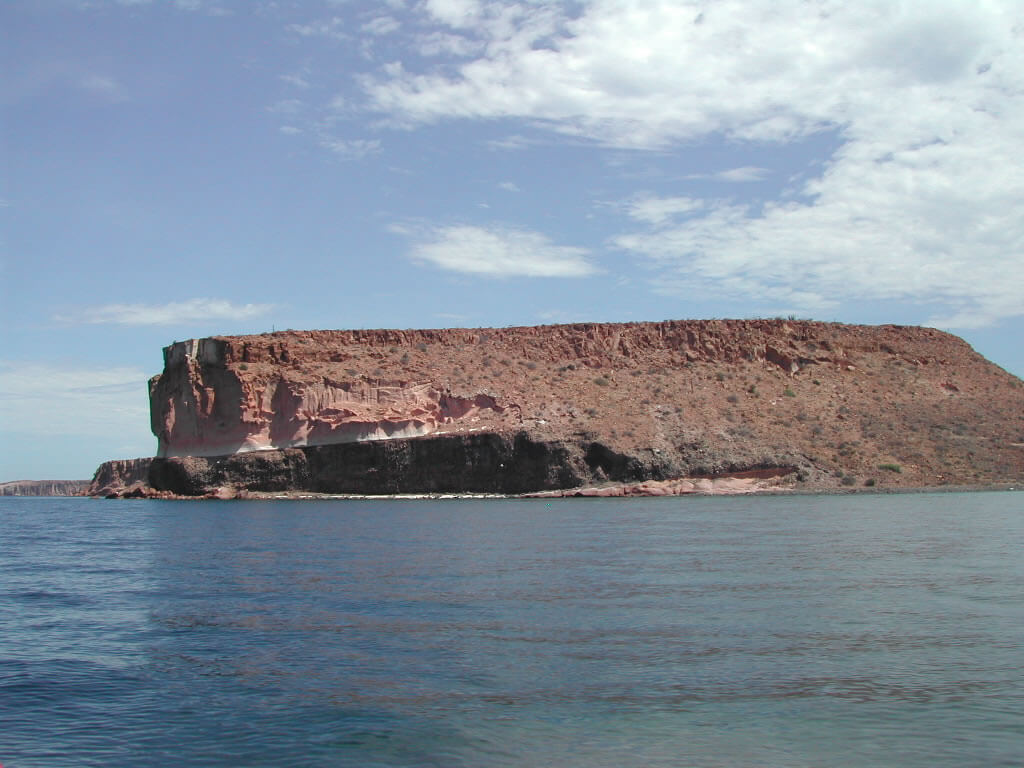
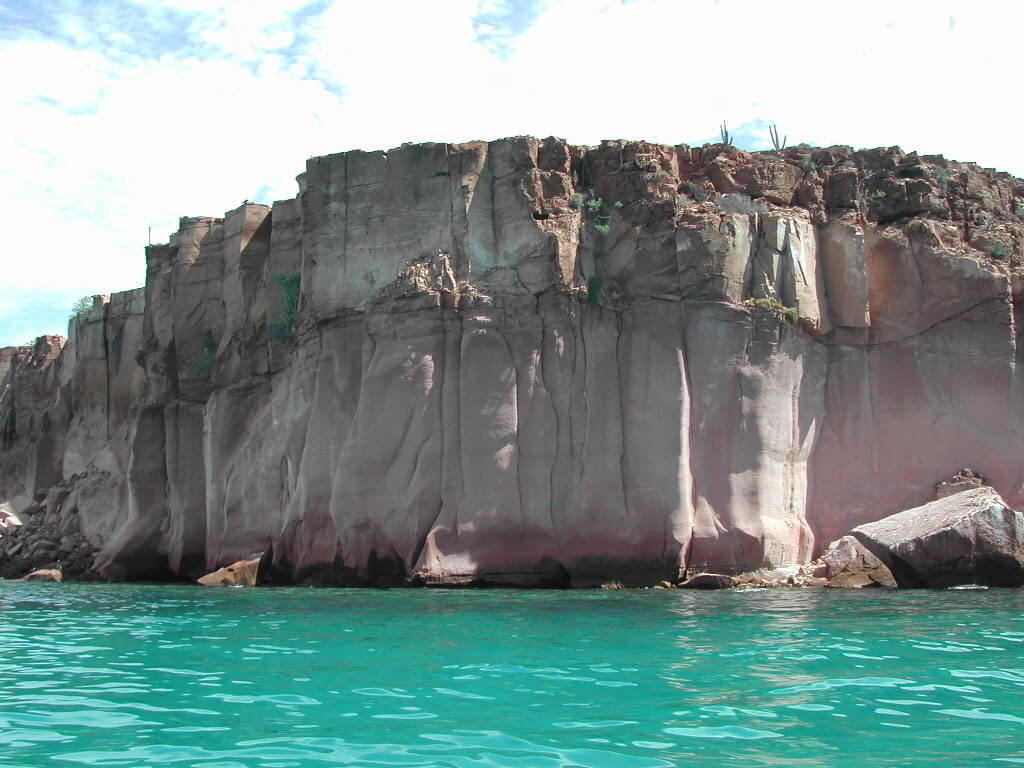
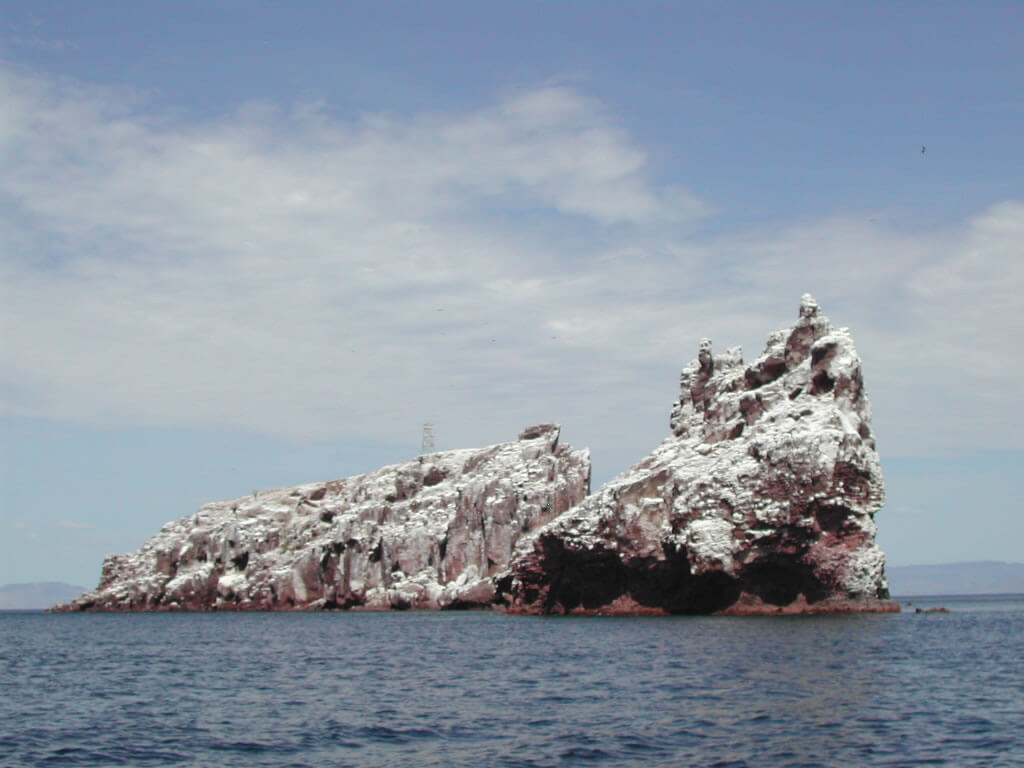
Extending from the Colorado River Delta in the north to 270 kilometres southeast of the tip of the Baja California Peninsula, the property includes 244 islands and islets clustered in eight major groups and nine protected areas with coastal and marine zones. This represents the largest marine World Heritage Site in terms of the number of islands and protected areas, creating a conservation network spanning nearly the entire Gulf of California.
The site encompasses diverse marine and terrestrial environments, from shallow, hypersaline northern waters to deep oceanic southern regions. The eight major island groups represent unique evolutionary laboratories where species have developed in isolation over thousands of years. In 2007, the site was extended to include Islas Marietas National Park and Archipelago de San Lorenzo National Park, recognizing the interconnected nature of Gulf ecosystems.
Outstanding Universal Value and Biodiversity
The Islands and Protected Areas of the Gulf of California is the largest collection of any marine or insular site on the World Heritage list. The terrestrial components support about 700 species of vascular plants despite arid conditions, demonstrating life's remarkable adaptability to extreme environments.
The marine environments harbor extraordinary species diversity, from microscopic plankton to massive blue whales. The site supports critical populations of marine mammals, including several whale species, dolphins, sea lions, and the critically endangered vaquita marina. Seabird colonies represent some of North America's most spectacular avian concentrations, with species ranging from tiny storm petrels to magnificent frigatebirds.
Endemic species throughout the site demonstrate unique evolutionary processes in Gulf waters and isolated islands. Many exist nowhere else on Earth, making their conservation a global priority. High endemism levels reflect both geological isolation and diverse ecological niches within the site's boundaries.
Geological Significance
The site represents one of the world's most important examples of active continental rifting and marine ecosystem development. The Gulf's geological youth, estimated at 5.3 million years, makes it an exceptional natural laboratory for studying evolutionary processes, species colonization, and ecosystem development.
Ongoing tectonic forces continue shaping the region through volcanic activity, earthquakes, and seafloor spreading, creating new habitats and environmental challenges. This dynamic geological setting provides unique opportunities to study how marine ecosystems respond to environmental change over various timescales.
The Vaquita Crisis and World Heritage in Danger Status
The vaquita marina, the world's smallest marine mammal, has become emblematic of the site's conservation crisis. An international committee estimated that only 10 vaquitas remained in summer 2018. This critically endangered porpoise exists only in the northern Gulf of California, making its survival entirely dependent on effective conservation within the World Heritage Site.
The vaquita's decline results primarily from accidental capture in gillnets used to catch totoaba, another endangered species whose swim bladders are highly valued in Asian markets. High levels of illegal fishing for totoaba continued and escalated in 2018-2019 in the Upper Gulf, including in the designated vaquita refuge area.
By listing the Gulf of California as a site in danger, UNESCO urged Mexico to take new steps to prevent the extinction of the vaquita. The 2019 in-danger listing provides access to World Heritage Fund conservation programs. It puts a global spotlight on the Gulf of California, mobilizing additional resources while creating diplomatic pressure for improved protection.
Conservation Challenges
The primary challenge stems from illegal fishing activities, particularly gillnet use to capture totoaba for the black market. Economic incentives for unlawful fishing are enormous, with totoaba swim bladders commanding extremely high prices, creating persistent pressure for continued illegal activities.
Enforcement in the vast Gulf marine environment poses significant logistical difficulties. The site's enormous extent, remote locations, and complex jurisdictional boundaries make comprehensive surveillance extremely challenging. The committee's decision was based on Mexico's poor track record of enforcing fishing bans.
Socioeconomic dimensions present additional challenges, as local fishing communities depend on Gulf resources for livelihoods. Effective conservation requires balancing species protection with community needs through alternative livelihood programs and community engagement initiatives.
Conservation Efforts and International Support
Despite the critical situation, numerous initiatives work to protect the site's values. The Rapid Response Facility supports the removal of illegal fishing nets to save the vaquita from extinction. The government announced new protection plans, including promoting vaquita-safe fishing nets and marking habitats with buoys.
International cooperation has become increasingly important. Scientific research programs involving Mexican institutions, international universities, and conservation organizations provide essential monitoring data while building local capacity for long-term management.
Marine protected areas within the site restrict fishing and extractive activities in critical habitats, providing refugia for endangered species and supporting ecosystem recovery. However, effectiveness depends on adequate enforcement and community support.
Scientific Research and Economic Dimensions
The site serves as one of the world's most important marine research locations, hosting studies from marine mammal behavior to climate change impacts. Acoustic monitoring programs use underwater microphones to track vaquita populations, providing crucial conservation data.
The site hosts 39% of all marine mammal species worldwide, providing the foundation for significant economic activities, particularly tourism and sustainable fishing. Whale watching, sport fishing, and eco-tourism generate substantial revenue for local communities while providing economic incentives for conservation.
However, economic pressures also drive threats to the site. High-value marine products, particularly those in illegal markets, create powerful incentives for unsustainable exploitation that require comprehensive approaches providing alternative livelihoods.
Climate Change and Future Challenges
Climate change represents a growing threat through rising sea temperatures, ocean acidification, and changing weather patterns, affecting species distributions and ecosystem productivity. These global-scale changes require adaptive management approaches responding to evolving environmental conditions.
The future depends on immediate action addressing current threats while building long-term conservation capacity. The vaquita's survival represents the most urgent priority, requiring unprecedented enforcement efforts and community cooperation.
Advanced technologies play increasingly important roles, with satellite monitoring enhancing surveillance, acoustic systems tracking marine mammals, and genetic technologies identifying illegal wildlife products. However, success ultimately depends on sustained political will and international cooperation.
Lessons for Global Conservation
The challenges facing this World Heritage Site offer important lessons for marine conservation worldwide. The vaquita crisis illustrates how quickly species can decline when threats aren't addressed promptly and effectively, emphasizing the importance of early intervention and comprehensive approaches.
The site's experience demonstrates both the power and limitations of international designation in protecting threatened ecosystems. Community engagement emerges as essential for conservation success, particularly where local people depend on natural resources.
Conclusion
The Islands and Protected Areas of the Gulf of California represent both a conservation triumph and a critical challenge for international environmental protection. Its World Heritage designation recognizes global significance while its in-danger status acknowledges urgent survival threats.
The site's story encapsulates fundamental 21st-century marine conservation challenges: balancing economic development with environmental protection, addressing illegal exploitation, managing climate change impacts, and building effective international cooperation. Current conservation efforts will determine not only the vaquita's fate but also the credibility of international conservation frameworks.
Success requires unprecedented cooperation between government agencies, conservation organizations, local communities, and international partners. The challenges are enormous, but the stakes—preserving one of Earth's most remarkable marine ecosystems—could not be higher. The Gulf of California's islands and protected areas remain a beacon of hope for marine conservation, demonstrating both nature's wonders and humanity's responsibility to protect them.