
The Humboldt Penguin National Reserve: A Marine Wildlife Sanctuary in Northern Chile
Nestled along Chile's northern Pacific coast, the Humboldt Penguin National Reserve is a notable marine sanctuary. It includes three pristine islands—Isla Damas, Isla Choros, and Isla Chañaral de Aceituno—that rise from the nutrient-rich Humboldt Current waters and are habitats for many marine species.
Island Sanctuary: The Humboldt Penguin National Reserve and Its Diverse Marine Ecosystem
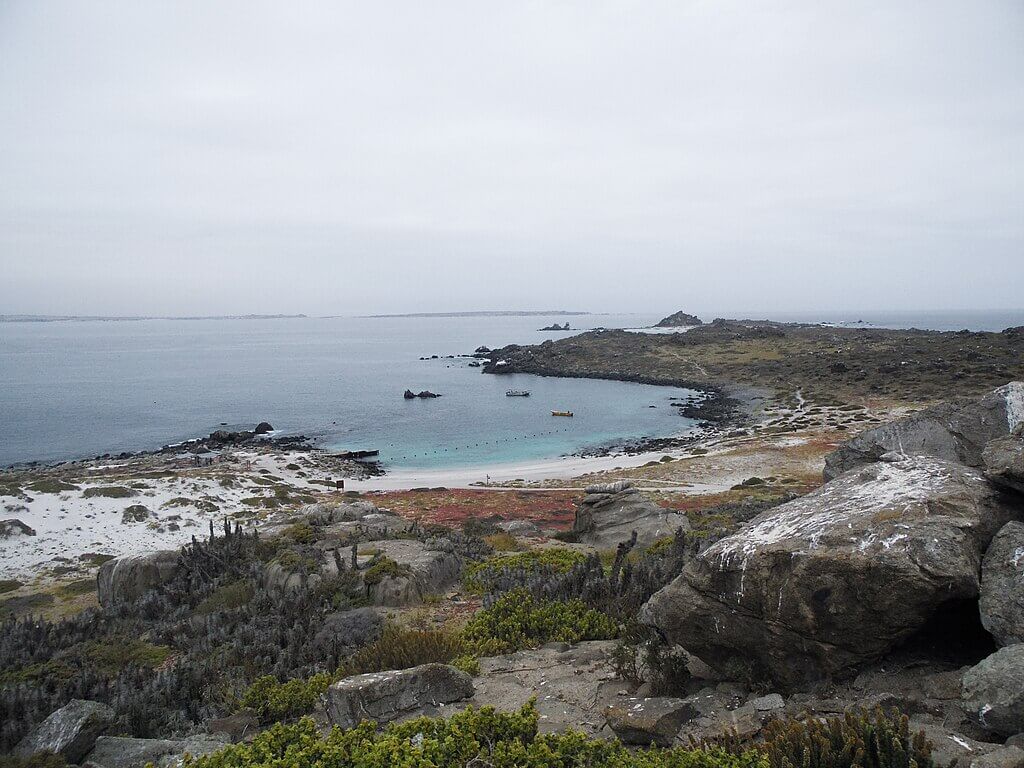
Nestled along Chile's northern Pacific coast, the Humboldt Penguin National Reserve (Reserva Nacional Pingüino de Humboldt) stands as one of South America's most remarkable marine wildlife sanctuaries. Located approximately 600 kilometers (372.8 miles) north of Santiago and 114 kilometers (70.8 miles) northeast of La Serena, this protected area encompasses three pristine islands that serve as critical habitat for numerous marine species, most notably the vulnerable Spheniscus humboldti (Humboldt penguin).
Geographic Setting and Composition
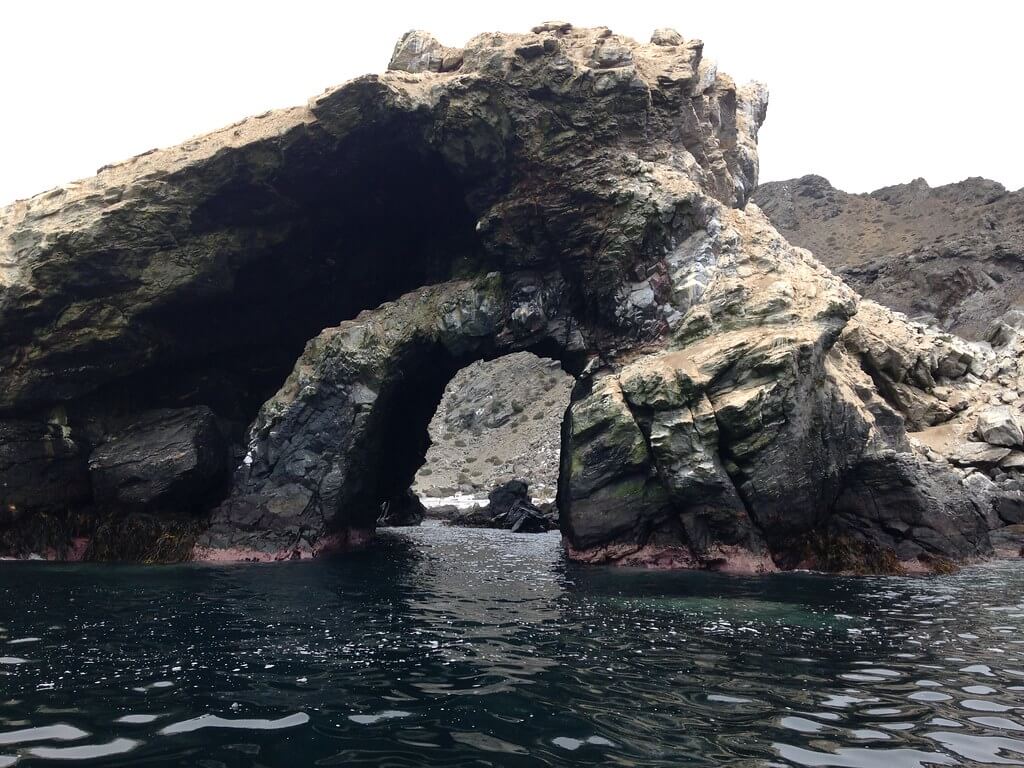
The reserve spans 859.3 hectares (2,123 acres) across both the Atacama and Coquimbo regions of Chile. The protected area consists of three distinct islands: Isla Damas and Isla Choros in the northern Coquimbo region, and Isla Chañaral de Aceituno in the southern Atacama region. These rocky outcrops emerge from the nutrient-rich waters of the Humboldt Current, creating an ideal environment for marine wildlife.
The reserve is accessible primarily through the coastal town of Punta de Choros, which serves as the main departure point for boat tours to the islands. The strategic location of these islands, positioned where cold Antarctic waters meet warmer northern currents, creates a unique marine ecosystem that supports exceptional biodiversity.
Flagship Species: The Humboldt Penguin
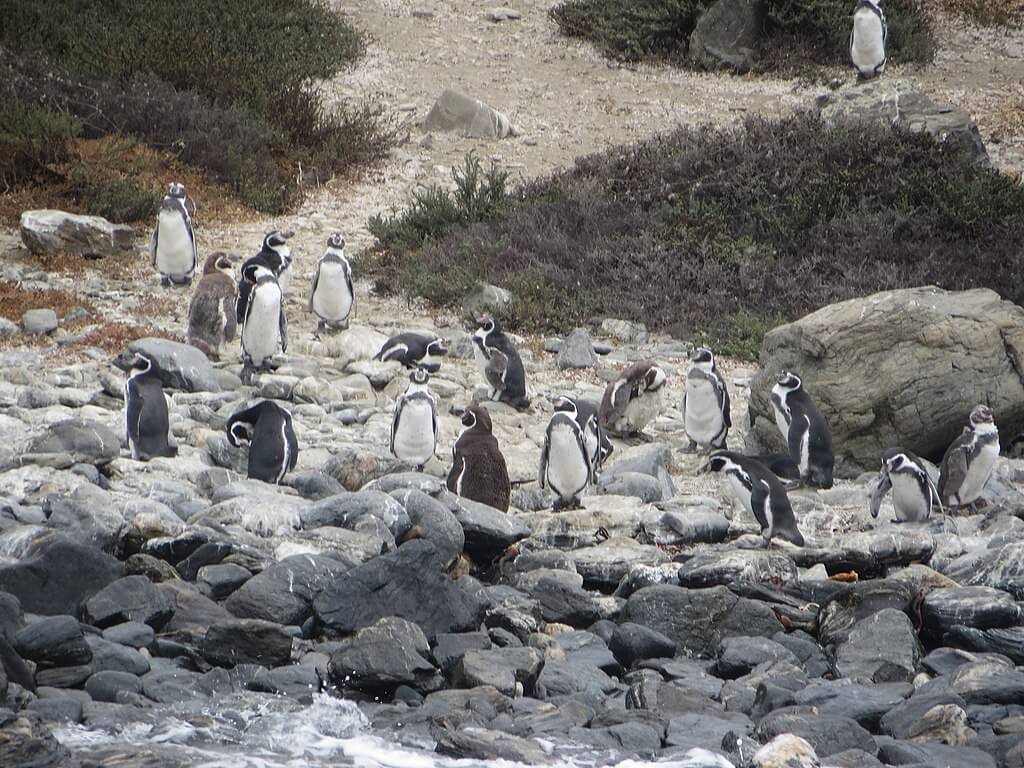
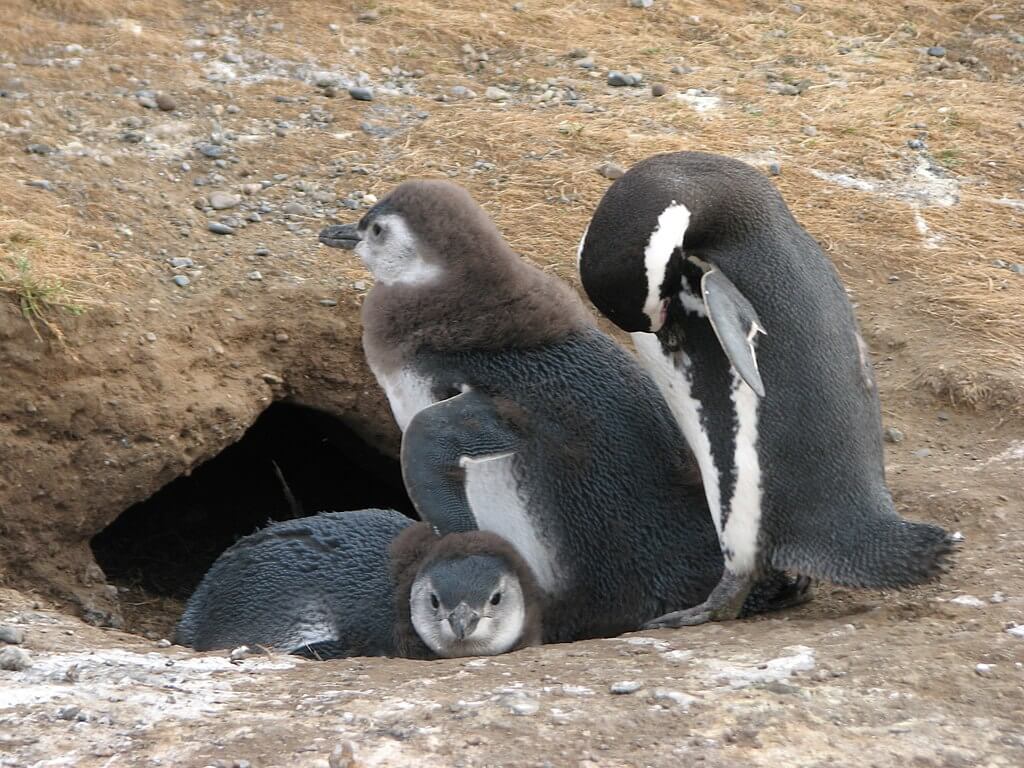
The reserve's namesake, Spheniscus humboldti, represents one of the world's most endangered penguin species. These medium-sized penguins, characterized by their distinctive black horseshoe-shaped band across the chest and white facial markings, depend on the reserve's islands as crucial breeding grounds. The International Union for Conservation of Nature classifies Humboldt penguins as vulnerable, while Peru has designated them as endangered within its borders.
Adult Humboldt penguins typically measure 56-70 centimeters (22-28 inches) in height and weigh between 3.3 and 5.8 kilograms (7.3 and 12.8 pounds). Their diet consists primarily of anchovies, sardines, and other small fish abundant in the surrounding waters. The reserve provides essential nesting sites where these penguins dig burrows in guano deposits and rocky crevices, returning annually to breed between September and February.
Diverse Marine Ecosystem
Beyond its penguin populations, the reserve supports an extraordinary array of marine life. South American sea lions (Otaria flavescens) establish large colonies on the islands' rocky shores, where they haul out to rest and breed. The endangered marine otter, locally known as chungungo (Lontra felina), inhabits the intertidal zones, representing one of the world's smallest marine mammals.
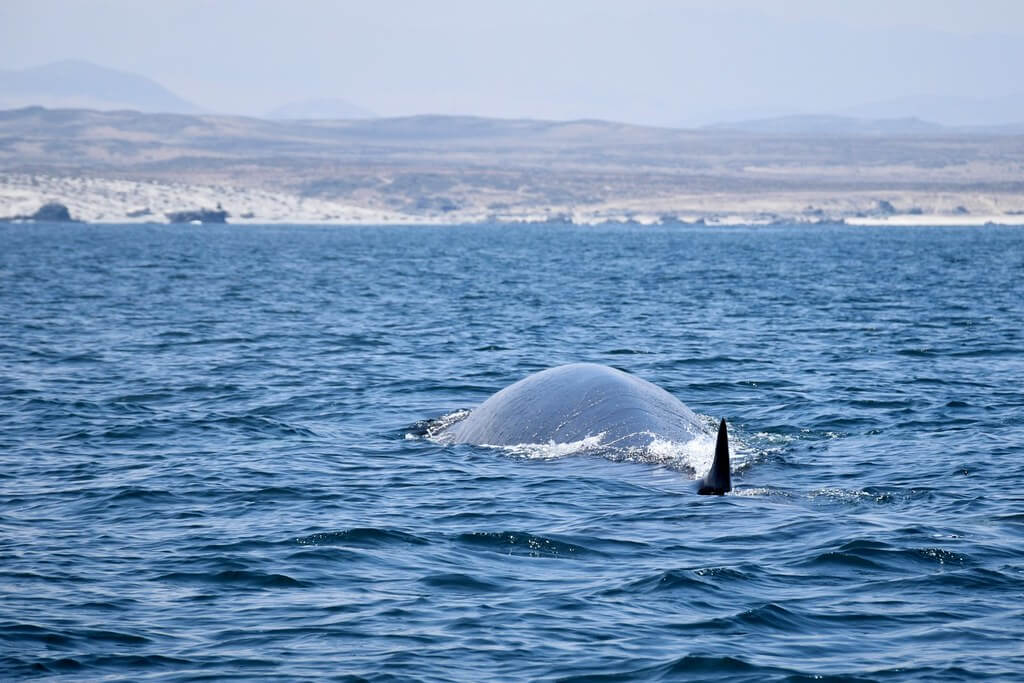
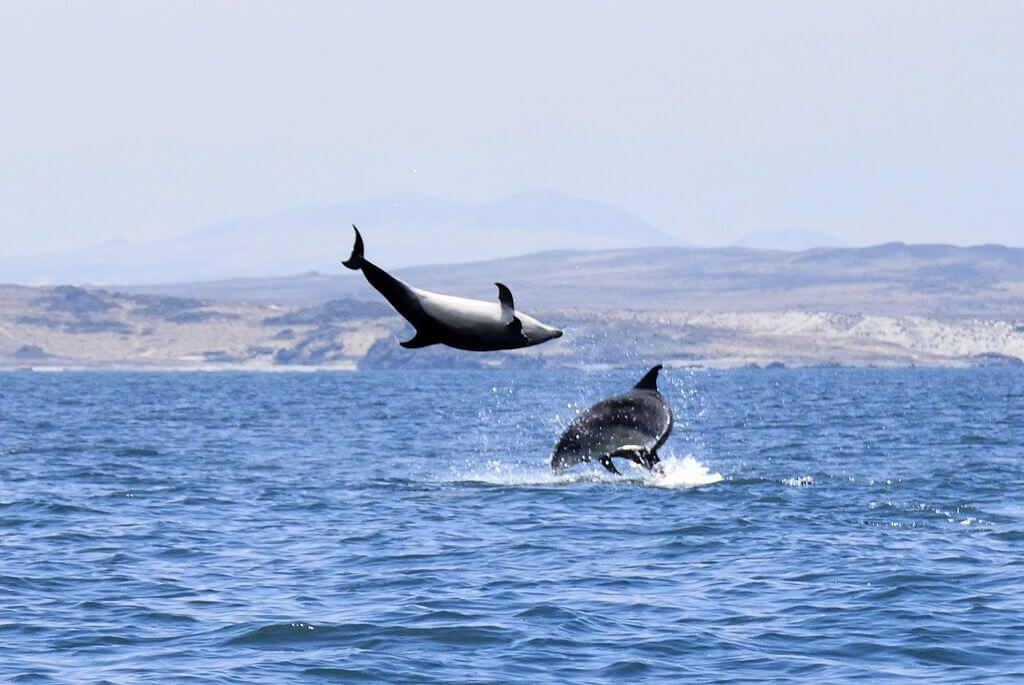
Cetacean diversity within the reserve's waters includes both resident and migratory species. Bottlenose dolphins (Tursiops truncatus) are frequently observed year-round, while various baleen whales, including rorqual species, pass through during seasonal migrations between October and March. The nutrient-rich waters also support green sea turtles (Chelonia mydas) and various seabird species.
The avifaunal community extends well beyond penguins, encompassing numerous seabird species adapted to the marine environment. Peruvian boobies (Sula variegata), red-legged cormorants (Phalacrocorax gaimardi), and various albatross species utilize the islands for nesting and roosting. The diverse bird community reflects the reserve's importance as a stopover point along the Pacific flyway.
Conservation Challenges and Management
The reserve operates under Chile's National System of State-Protected Wild Areas (Sistema Nacional de Áreas Silvestres Protegidas del Estado de Chile), with management oversight provided by the National Forest Corporation (CONAF). Conservation efforts face several significant challenges, including the impacts of climate change on marine food webs, interactions between the fishing industry and marine ecosystems, and the management of invasive species.
Historical introductions of European rabbits posed a significant threat to the island ecosystems, damaging native vegetation and competing with seabirds for nesting sites. Recent conservation initiatives, including the use of specially trained detection dogs, have successfully addressed invasive species populations, demonstrating the effectiveness of targeted intervention strategies.
Visitor access to the islands remains strictly regulated to minimize human impact on sensitive wildlife populations. Daily quotas limit the number of tourists who can disembark on Isla Damas, with most visitors experiencing the reserve through boat-based wildlife viewing tours. These restrictions, while necessary for conservation, require advance planning for visitors seeking to explore the islands on foot.
Research and Monitoring
The reserve serves as an important natural laboratory for marine ecosystem research. Scientists monitor penguin breeding success, population dynamics, and responses to environmental changes, providing crucial data for conservation planning. Long-term studies track the impacts of El Niño events and climate variability on marine food webs and their dependent wildlife populations.
Collaborative research efforts between Chilean institutions, international conservation organizations, and academic researchers contribute to a broader understanding of marine ecosystem dynamics in the Humboldt Current system. These studies inform management decisions and contribute to regional conservation strategies for marine wildlife.
Economic and Cultural Significance
Beyond its ecological importance, the reserve makes a significant contribution to the local and regional tourism economies. The town of Punta de Choros has developed infrastructure to support ecotourism, providing boat tours, accommodations, and dining options for visitors. Tour operators work closely with CONAF to ensure sustainable visitation practices that support both conservation goals and economic development.
The reserve also holds cultural significance for local communities, representing a connection to traditional maritime livelihoods and regional natural heritage. Educational programs and interpretive activities help visitors understand the complex relationships between human activities and the health of marine ecosystems.
Future Prospects
Climate change represents perhaps the greatest long-term challenge facing the Humboldt Penguin National Reserve. Rising ocean temperatures and changing current patterns may alter the distribution and abundance of marine prey species, potentially affecting the entire food web. Ongoing research and adaptive management strategies aim to address these challenges while maintaining the reserve's ecological integrity.
The expansion of marine protected areas and improved coordination with the fishing industry offer promising approaches for enhancing conservation effectiveness. International cooperation with Peru, which hosts additional Humboldt penguin populations, remains essential for species-level conservation success.
The Humboldt Penguin National Reserve exemplifies the critical importance of marine protected areas in preserving biodiversity and ecosystem services. As climate change and human activities continue to impact marine environments globally, reserves like this serve as essential refuges for threatened species and as natural laboratories for understanding and addressing conservation challenges. The continued protection and study of this remarkable ecosystem will remain vital for both regional biodiversity conservation and global marine conservation science.