
The Caribbean Islands Biodiversity Hotspot: A Fragile Paradise Under Threat
The Caribbean Islands represent one of Earth's most extraordinary concentrations of biodiversity, recognized globally as a critical biodiversity hotspot. Despite covering less than 1% of Earth's land surface, this region harbors an exceptional diversity of life found nowhere else on the planet.
Islands of Evolution: Protecting the Caribbean's Unique Natural Heritage
The Caribbean Islands represent one of Earth's most extraordinary concentrations of biodiversity, recognized globally as a critical biodiversity hotspot. This archipelago encompasses 30 countries and territories, spanning more than 4 million square kilometers (1.5 million square miles) of ocean, yet its terrestrial footprint covers approximately 230,000 square kilometers (88,800 square miles) of land. Despite covering less than 1% of Earth's land surface, this region harbors an exceptional diversity of life found nowhere else on the planet. The isolation of these islands over millions of years has created a natural laboratory of evolution, where species have adapted to specific ecological niches in spectacular fashion. From cloud-draped mountain peaks to crystalline coastal waters, the Caribbean's varied landscapes support ecosystems of extraordinary complexity and beauty. Yet this biological treasure faces unprecedented challenges from habitat loss, invasive species, climate change, and human development pressures, all of which threaten to unravel the delicate web of life that has evolved here over countless millennia.
Geographic Extent and Ecological Diversity
The hotspot consists primarily of three major island groups: the Bahamas, the Lesser Antilles, and the Greater Antilles. The Greater Antilles—comprising Cuba, Hispaniola (Haiti and Dominican Republic), Jamaica, and Puerto Rico—account for approximately 90 percent of the hotspot's total land area. The Lesser Antilles form a crescent-shaped chain stretching southeast from the Virgin Islands to Trinidad and Tobago, while the Bahamas and Turks and Caicos Islands extend to the north.
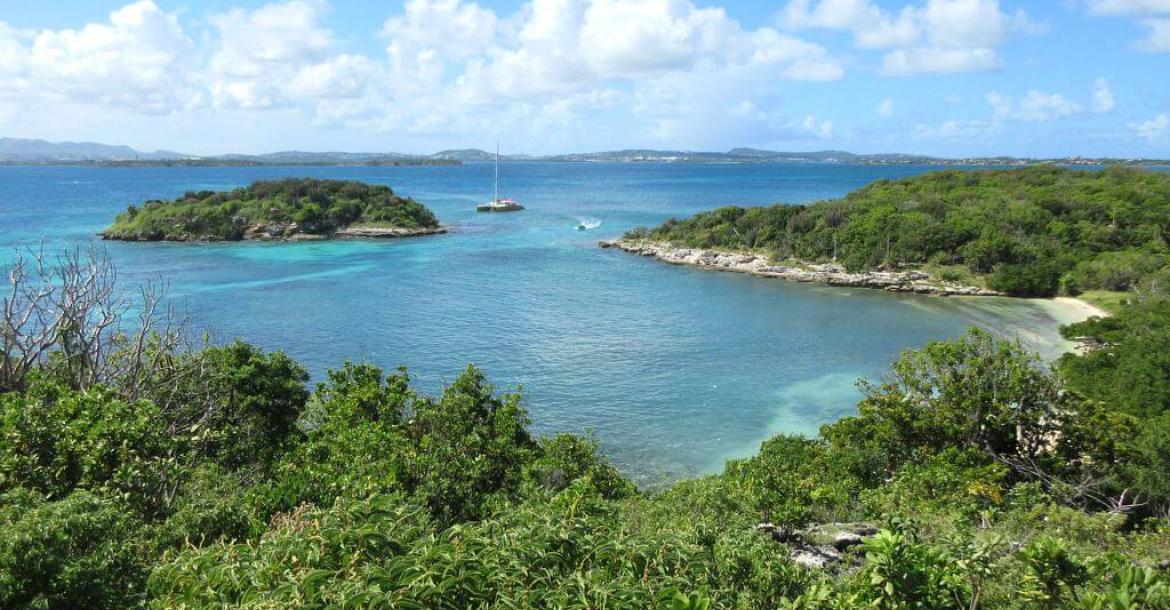
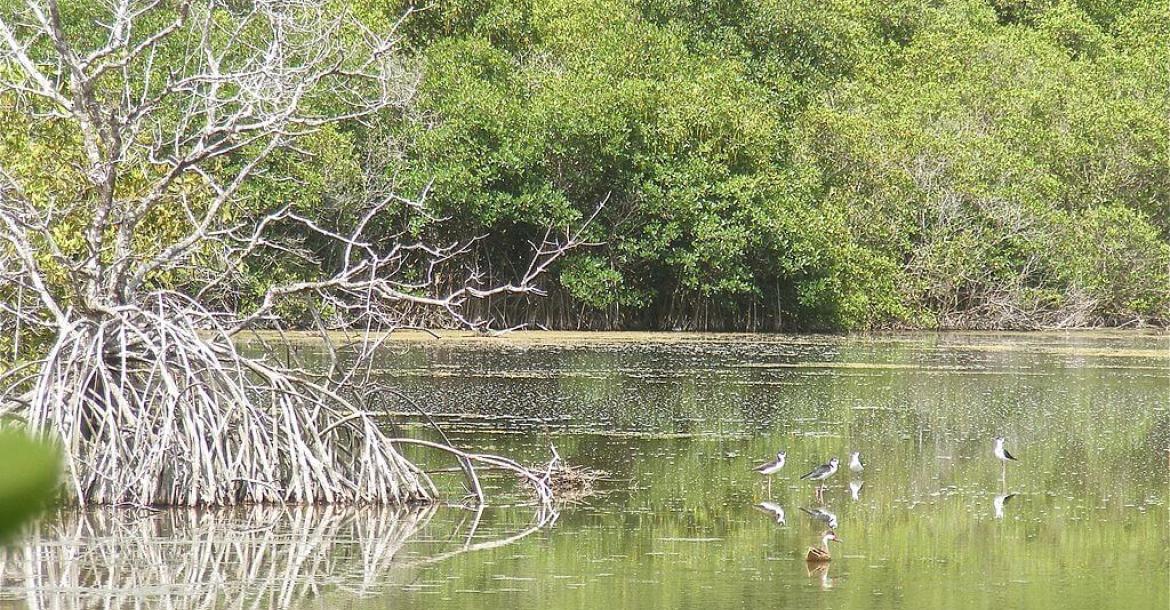
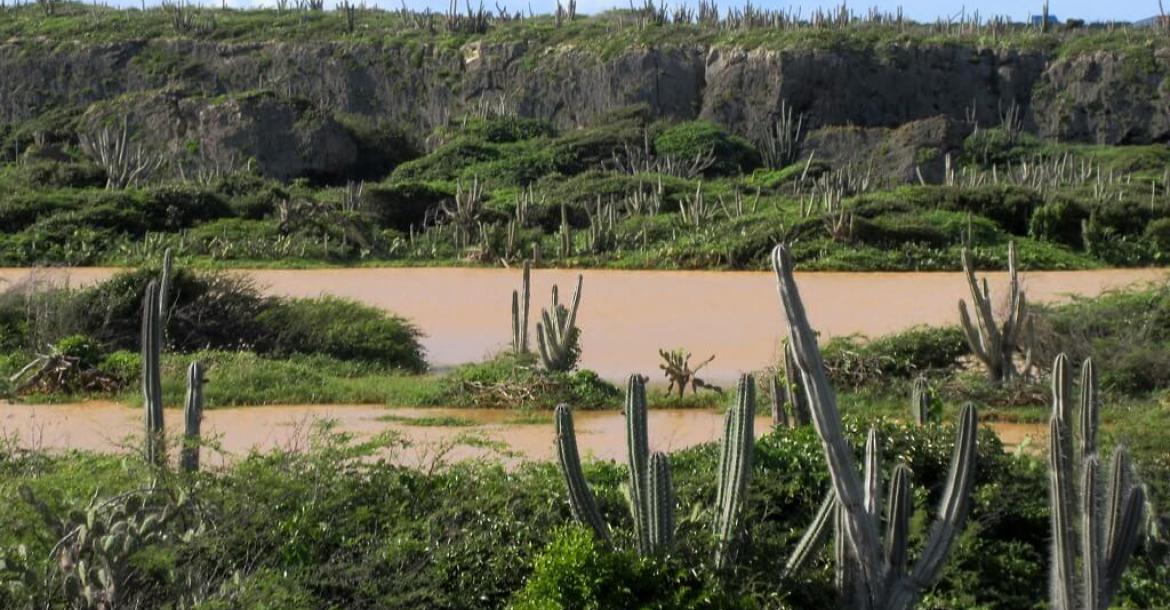
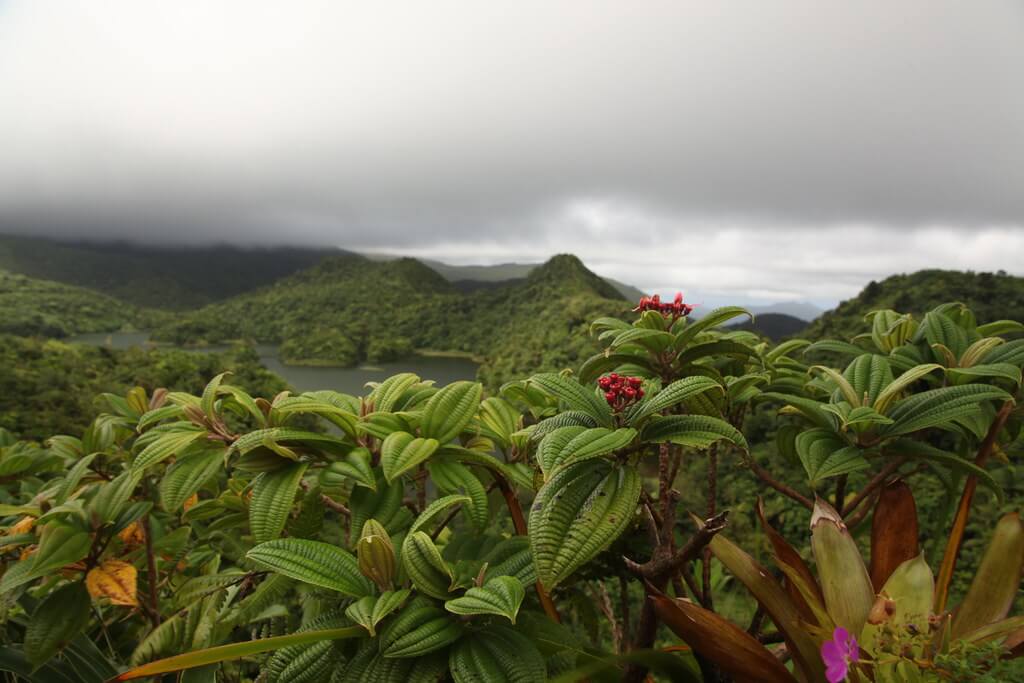
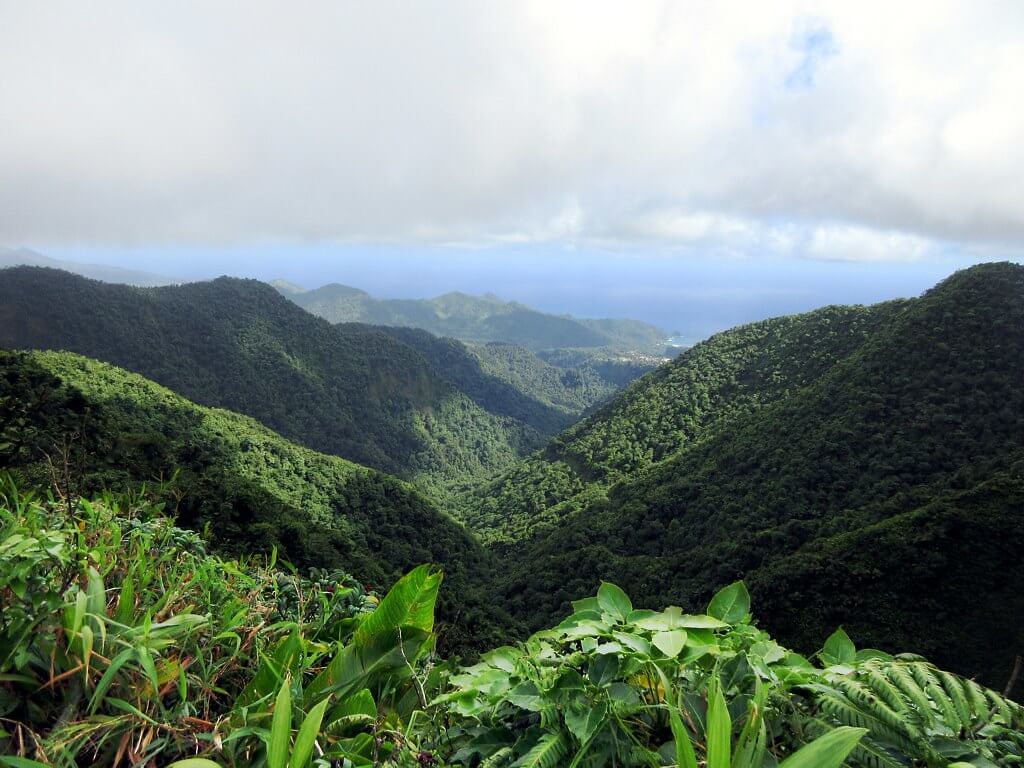
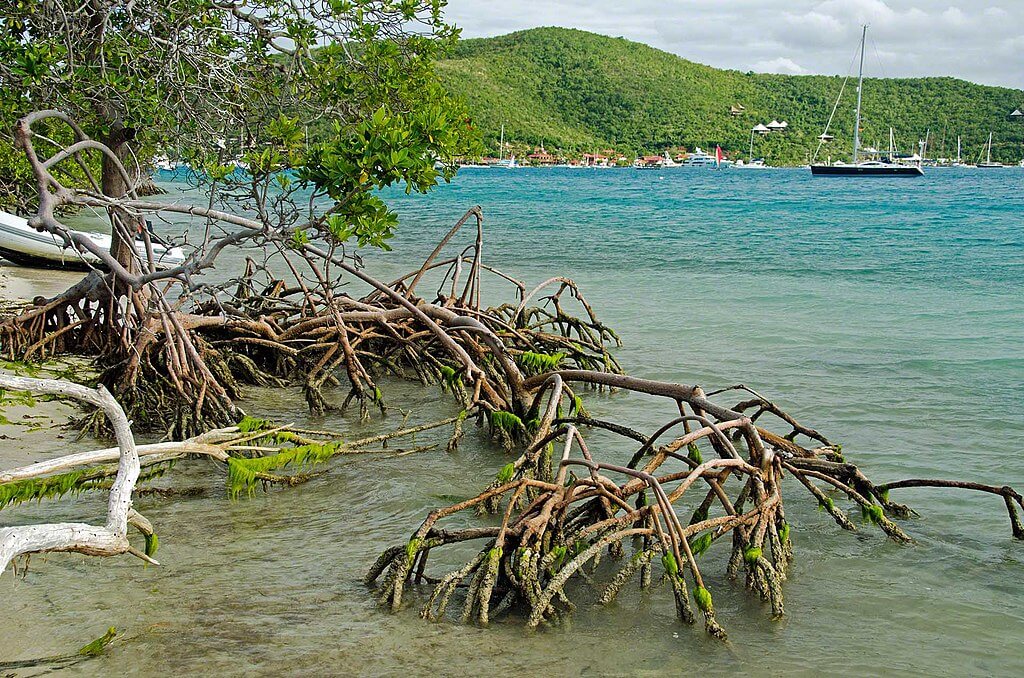
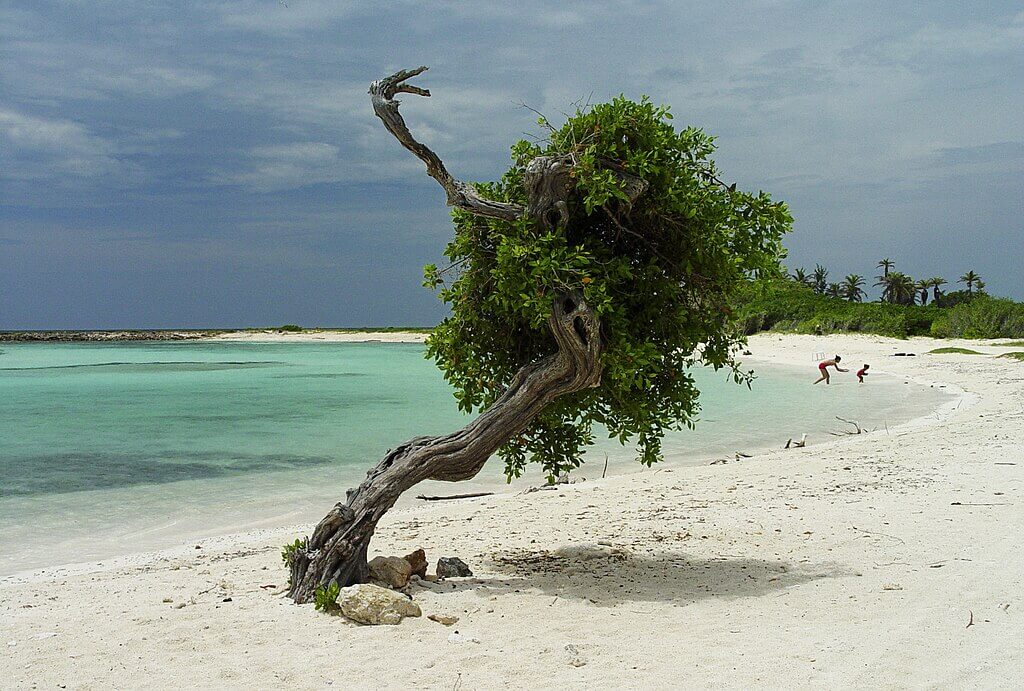
This geographic mosaic creates extraordinary ecological diversity. The region encompasses tropical rainforests, montane cloud forests, dry forests, wetlands, extensive coral reef systems, coastal mangroves, and seagrass beds. Each ecosystem supports unique assemblages of species adapted to specific environmental conditions, from the misty peaks of mountain ranges to the sun-drenched cays scattered across turquoise waters.
Remarkable Biodiversity and Endemism
The Caribbean Islands Biodiversity Hotspot stands out globally for its exceptional levels of endemism. The region hosts approximately 11,000 plant species, of which 72% are endemic to the hotspot. This means nearly 8,000 plant species exist nowhere else on Earth, concentrated on these scattered islands.
Vertebrate endemism is equally striking, particularly among species with limited dispersal abilities. All 200 native amphibian species are endemic, representing a 96% endemism rate, while 82% of the region's 602 reptile species are endemic to the Caribbean. The isolation of these islands has driven extraordinary speciation events, creating unique evolutionary lineages.
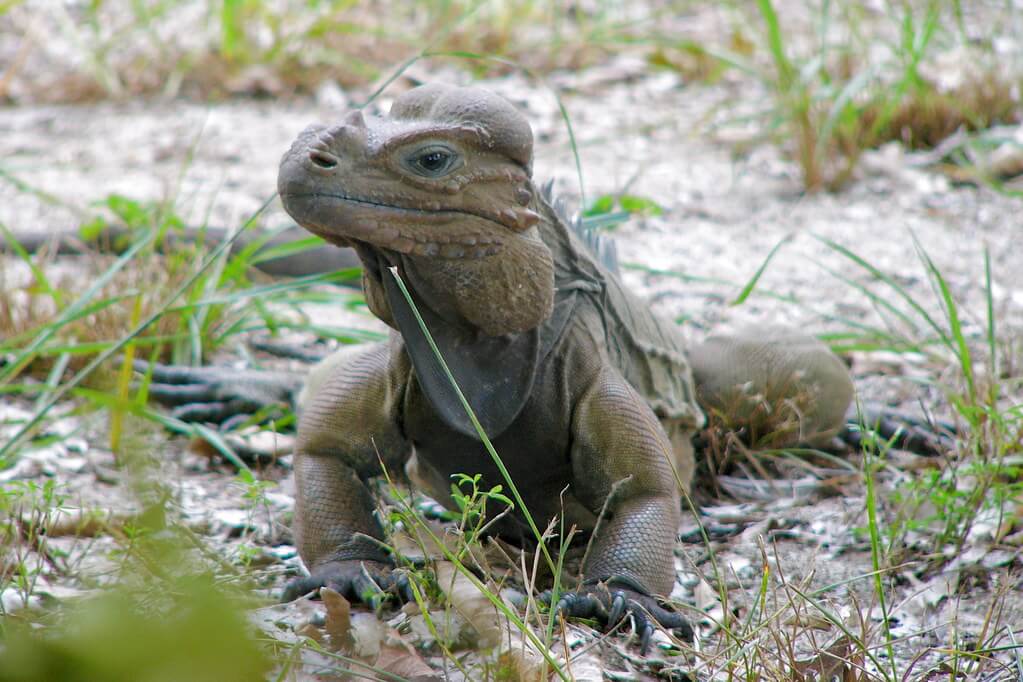
The hotspot supports 565 bird species, 26% of which are endemic to the region, and 104 mammal species, predominantly bats, which serve critical ecological roles as pollinators and seed dispersers. Among reptiles, the diversity is particularly noteworthy, with numerous endemic iguanas (Cyclura spp.), anoles (Anolis spp.), boas (Epicrates and Chilabothrus spp.), and other species that have evolved on individual islands.
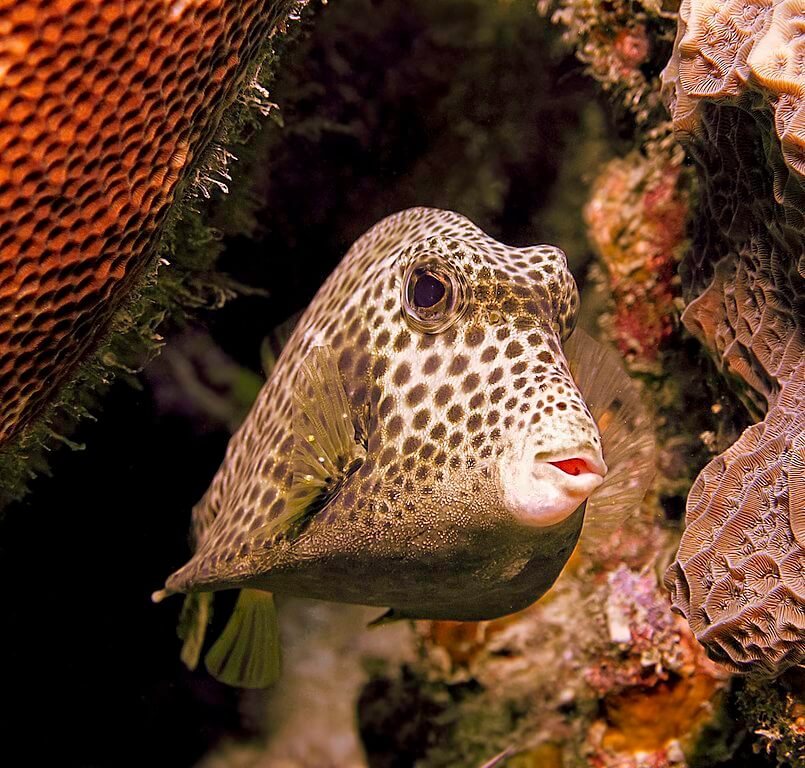
The marine environment is equally rich. Caribbean waters contain approximately 10,000 square kilometers (3,860 square miles) of coral reefs, 22,000 kilometers (13,670 miles) of mangroves, and 33,000 square kilometers (12,740 square miles) of seagrass beds, supporting thousands of marine species, including fish, crustaceans, mollusks, and coral species that form the foundation of marine ecosystems.
Critical Threats to Paradise
Despite its ecological significance, only about 10% of the hotspot's original habitat remains, placing immense pressure on remaining ecosystems and the species they support. The Caribbean faces a convergence of environmental threats that jeopardize its unique biodiversity.
Habitat Loss and Degradation: Urban expansion, agricultural development, and infrastructure construction have dramatically transformed Caribbean landscapes. Tourism development has driven widespread construction of hotels, marinas, and associated facilities, particularly along coasts with beaches and offshore reefs, often completely removing natural vegetation and filling in mangrove areas.
Invasive Species: Terrestrial vertebrates such as goats (Capra aegagrus hircus), feral cats (Felis catus), pigs (Sus scrofa), and rats (Rattus spp.) are responsible for more than half of all animal extinctions on islands globally. Since Christopher Columbus's arrival, the Caribbean has experienced 10% of the world's bird extinctions, 38% of mammal extinctions, and over 65% of reptile extinctions, with more than two-thirds attributable to invasive species. Marine invasive species also pose emerging threats, including the rapid expansion of alien seagrass species throughout the eastern Caribbean.
Climate Change: Rising temperatures, shifting precipitation patterns, and intensifying hurricanes present mounting challenges. Species in montane cloud forests face particular vulnerability, as rising temperatures reduce precipitation and relative humidity while limiting upward migration options. Coastal habitats face threats from warming and rising seas, increased salinity, coral bleaching, and enhanced storm surge effects, compounded by the high density of coastal development that blocks inland migration pathways.
Unsustainable Resource Use: Overfishing, timber extraction, charcoal production, unsustainable hunting, and collection of species for the horticultural and pet trades continue to deplete biological resources across the hotspot.
Species in Peril
Of taxonomic groups assessed, 73% of amphibians and 31% of reptiles are threatened, representing some of the highest proportions of any biodiversity hotspot worldwide. Currently, 124 plant species are Critically Endangered, 159 are Endangered, and 230 are Vulnerable. Among vertebrates, 55 bird species are globally threatened, 48 of which are confined to the hotspot.
The region's endemic mammals face severe pressures, with 25% of the 104 species globally threatened. Some Cuban endemic hutias (Capromys and Mesocapromys spp.) are considered possibly extinct. Reptiles, despite their diversity, face critical challenges, with many species endemic to single islands already extinct or on the brink.
Recently, the U.S. Fish and Wildlife Service proposed endangered status for the Puerto Rican skink (Spondylurus nitidus), lesser Virgin Islands skink (Spondylurus semitaeniatus), and Virgin Islands bronze skink (Capitellum parvicruzae), while concluding that three other Virgin Islands skink species are likely extinct. These losses highlight the ongoing extinction crisis affecting the region's unique herpetofauna.
Conservation Efforts and Success Stories
Despite daunting challenges, significant conservation initiatives are underway across the Caribbean, demonstrating that effective action can protect and restore biodiversity.
The Critical Ecosystem Partnership Fund (CEPF) has made substantial investments in the region, with a second phase launching in 2021 following successful initial efforts. During the first investment phase, 468,268 hectares (1,157,000 acres) within Key Biodiversity Areas received strengthened protection and management, while 111,496 hectares (275,460 acres) within eight KBAs were newly protected.
The World Bank's Caribbean Hotspot Project, a $13.9 million initiative, supports civil society organizations working in 32 key biodiversity areas across seven countries: Dominican Republic, Jamaica, Haiti, Saint Lucia, The Bahamas, Antigua and Barbuda, and Saint Vincent and the Grenadines. This initiative empowers grassroots organizations to implement locally tailored conservation solutions.
Innovative approaches are yielding tangible results. In Sierra de Bahoruco National Park in the Dominican Republic, forty local women have been trained in beekeeping and preservation of flora species essential to honey production, creating sustainable livelihoods that incentivize conservation. Similar initiatives include shade-grown coffee programs earning Bird Friendly certification, combining biodiversity protection with economic benefits for farming communities.
The Caribbean Biodiversity Fund, established in 2012, manages over $135 million in financial resources across its programs. Since 2016, it has provided sustainable financing to 11 countries through partnership agreements with National Conservation Trust Funds, disbursing approximately $7 million for project-based funding. Through its Ecosystem-based Adaptation Facility, the Fund has disbursed $14 million from $35.6 million awarded to implement 27 projects targeting coastal and marine ecosystems, benefiting 40 marine protected areas.
The Path Forward
The Caribbean Islands Biodiversity Hotspot stands at a critical juncture. With over 1,600 threatened species and accelerating environmental pressures, the next decade will determine the fate of countless unique species and ecosystems. However, growing recognition of biodiversity's importance, combined with innovative financing mechanisms, community-led conservation, and international collaboration, offers pathways toward a more sustainable future.
Conservation success requires sustained commitment from governments, civil society organizations, local communities, and international partners. Protecting remaining habitats, restoring degraded ecosystems, managing invasive species, addressing climate change impacts, and ensuring sustainable resource use are all essential components of an effective conservation strategy.
The Caribbean's biodiversity represents irreplaceable natural heritage. Species that evolved over millions of years in island isolation cannot be recreated once lost. The region's ecological treasures—from the tiny Cuban Eleutherodactylus iberia frog measuring less than one centimeter (0.4 inches) to vibrant coral reefs supporting thousands of marine species—deserve protection not only for their intrinsic value but also for the ecosystem services they provide to millions of Caribbean residents.
As climate change intensifies and development pressures mount, the urgency of conservation action only grows. The innovative programs already underway demonstrate that effective solutions exist. Scaling these efforts and ensuring long-term financial sustainability will determine whether future generations inherit the Caribbean's full complement of biodiversity or merely remnants of what once was one of Earth's most spectacular natural regions.
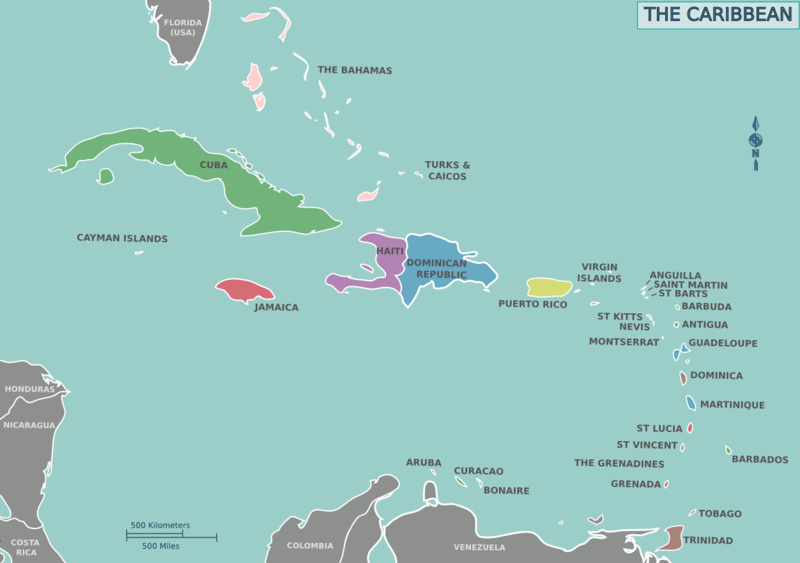
Map depicting the Caribbean Islands biodiversity hotspot.