Protected Areas in Chile

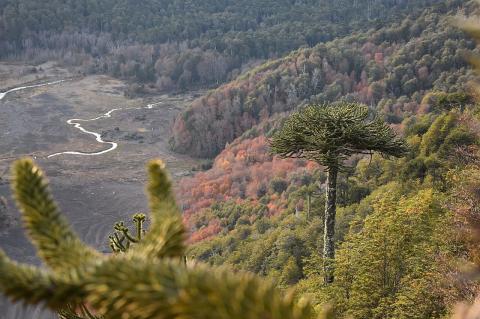
Conguillío National Park and Araucarias Biosphere Reserve: A Volcanic Wonderland of Araucaria Forests

Deep in the heart of Chile's La Araucanía Region, where the majestic Andes meet the temperate rainforests of the south, lies a natural treasure trove that has captured the imagination of explorers and scientists alike. The Conguillío National Park and the Araucarias Biosphere Reserve form a breathtaking landscape of volcanic grandeur, ancient forests, and a rich tapestry of biodiversity that is truly unique to this corner of the world.

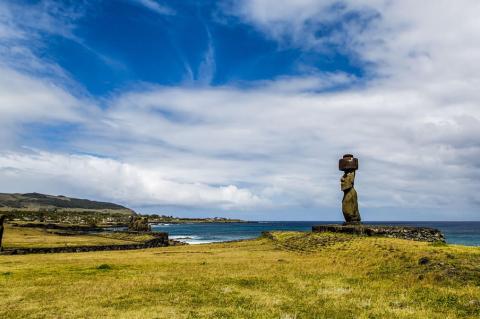
Easter Island: Unveiling the Mysteries of Rapa Nui

Easter Island, known locally as Rapa Nui, is a remote and enigmatic island in the southeastern Pacific Ocean. This Chilean territory, famous for its colossal stone statues called moai, offers a fascinating glimpse into Polynesian culture and human ingenuity. The island's rich archaeological heritage and unique ecosystem make it a site of immense cultural and scientific importance, recognized globally as a UNESCO World Heritage Site.

Fray Jorge Biosphere Reserve: Embracing Biodiversity

The Fray Jorge Biosphere Reserve, a captivating blend of diverse ecosystems and natural wonders, is located in the Coquimbo Region, Limari Province, north of Santiago, Chile. With Bosque de Fray Jorge National Park serving as its core area, this reserve is a testament to Chile's rich biodiversity and commitment to conservation. From misty forests to sun-drenched coastal plains, the Fray Jorge Biosphere Reserve offers a glimpse into Chile's remarkable natural heritage and the delicate balance of life.

Guamblin Island: Conservation and Biodiversity in Chile's Hidden Paradise

Nestled in the remote southern reaches of Chile, Guamblin Island National Park is a sanctuary of pristine natural beauty and ecological significance. Covering the entirety of Guamblin Island, this national park is a haven for diverse flora and fauna, some of which are found nowhere else on Earth. This exploration delves into the geographical features, biodiversity, climatic conditions, and conservation efforts that make Guamblin Island a unique and vital part of Chile's natural heritage.

Guardians of the Andes: Exploring Villarrica National Park

Villarrica National Park, nestled in the Chilean Andes, straddles the regions of La Araucanía and Los Ríos in southern Chile. Renowned for its majestic volcanoes, lush temperate rainforests, and scenic lakes, the park is a haven for diverse flora and fauna. Volcanic activity and abundant rainfall shape its dramatic landscapes. The park's protection of unique ecosystems has also earned it a place within the Bosques Templados Lluviosos de los Andes Australes Biosphere Reserve.

Huerquehue National Park: A Verdant Oasis in Chile's Andean Foothills

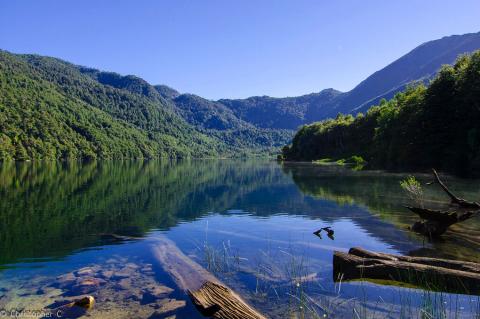
Nestled in the lush, mountainous terrain of Chile's La Araucanía region, Huerquehue National Park stands as a verdant oasis. Ancient Araucaria forests, crystal-clear lakes, and rushing streams converge in a breathtaking display of nature's majesty. This protected area beckons adventurers and nature enthusiasts to immerse themselves in its pristine landscapes and discover its rich tapestry of biodiversity.

Isla Magdalena National Park: A Patagonian Treasure

Isla Magdalena National Park, located in Chile's Aysén Region, is a pristine wilderness showcasing southern Patagonia's rugged beauty and biodiversity. The park encompasses approximately 80% of Magdalena Island, one of the largest islands south of Chiloé, making it a significant protected area within the region. Dominated by the extinct Montalat volcano, the island's varied landscapes, rich ecosystems, and cultural history make it an essential destination for nature enthusiasts and conservationists.

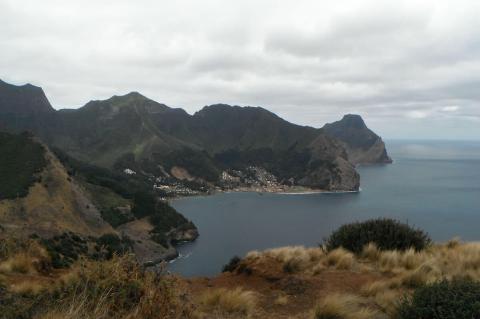
Juan Fernández Archipelago: Robinson Crusoe's Island and Chile's Pacific Biodiversity Refuge

The Juan Fernández Archipelago, Chile's remote Pacific territory about 670 kilometers west of the mainland, comprises the volcanic islands of Robinson Crusoe, Alejandro Selkirk, and Santa Clara, which are up to 6 million years old. Alexander Selkirk's years marooned here inspired Robinson Crusoe. A national park since 1935, a UNESCO biosphere reserve since 1977, and ringed by a 262,000-square-kilometer marine park, the islands protect endemic plants, hummingbirds, and fur seals threatened by goats, coatis, and blackberries.

Kawésqar National Park: A Majestic Wilderness in Chilean Patagonia

Kawésqar National Park, formerly known as the Alacalufes National Reserve, is a vast and stunning natural sanctuary located in the provinces of Magallanes, Última Esperanza, and Isla Riesco within the Magallanes and Chilean Antarctica Region of southern Chile. Nestled in the heart of Chilean Patagonia, this expansive park, part of Chile's Route of Parks, offers a glimpse into the region's wild beauty, showcasing diverse landscapes, ecosystems, and wildlife.

La Campana-Peñuelas: Balancing Biodiversity and Urban Pressures in Central Chile

Nestled in the heart of Chile's Valparaíso Region, the La Campana-Peñuelas Biosphere Reserve epitomizes the country's dedication to safeguarding its natural heritage. Designated as a UNESCO Biosphere Reserve, it encompasses the La Campana National Park and the Lago Peñuelas National Reserve. Together, they form a mosaic of landscapes, biodiversity, and cultural history, offering an exceptional model of conservation and sustainability.