Landforms of Bolivia

The Madeira River: From the Bolivian Lowlands to the Amazon

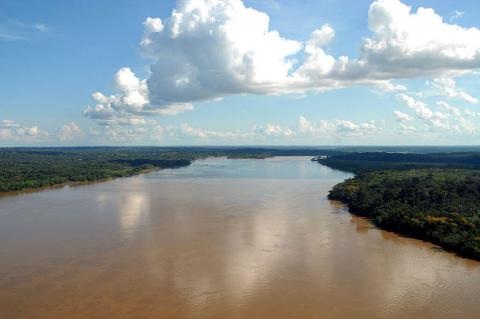
The Madeira River, formed by the Beni and Mamoré in Bolivia, travels about 1,450 km (900 mi) to the Amazon, or roughly 3,300 km (2,050 mi) counting the Mamoré. It drains about 1.38 million km² (533,000 mi²) of Bolivia, Brazil, and Peru, carries vast Andean sediment, and hosts one of the world’s richest fish faunas, now challenged by hydroelectric dams, drought, and illegal gold mining.

The Madre de Dios River: Peru’s Southern Amazon Artery

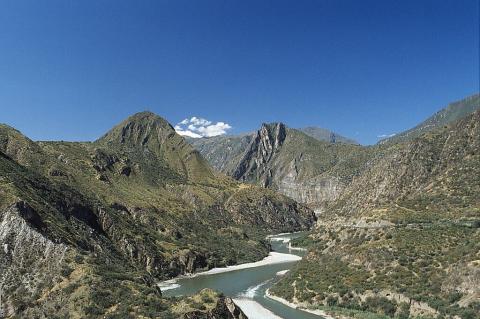
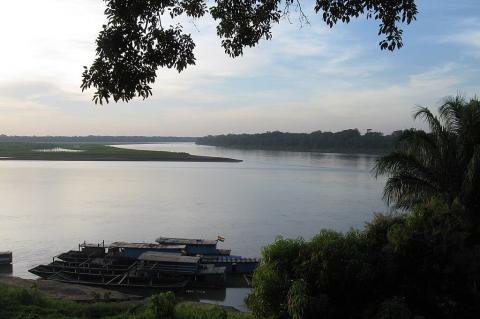
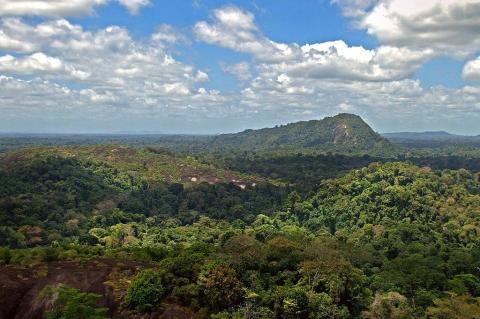
Rising in the eastern Andes of southern Peru, the Madre de Dios River runs roughly 1,100 to 1,350 km through some of Earth’s most biodiverse forests before joining the Beni in Bolivia, with the combined waters flowing on to the Madeira. Manú National Park, Tambopata National Reserve, and Bahuaja-Sonene National Park protect much of its course, and Ese Eja, Harakbut, Matsigenka, and Yine communities live along it. Puerto Maldonado is its main city, and rubber, a paved highway, and gold mining have reshaped its banks.

The Pilcomayo River: A Lifeline Traversing South America

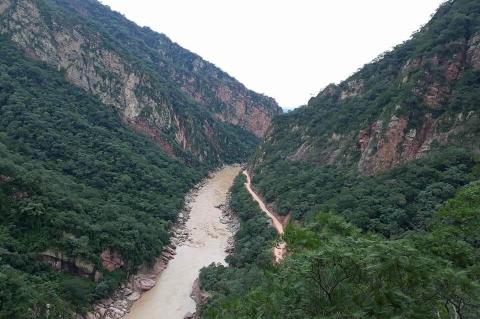
Winding its way through the heart of South America, the Pilcomayo River stands as a vital watercourse that interweaves the landscapes and ecosystems of Argentina, Bolivia, and Paraguay. Originating from the Andes, this remarkable river embarks on a journey that not only shapes the physical terrain but also sustains a rich tapestry of biodiversity, leaving an indelible mark on the diverse regions it traverses.

Tunupa: Sentinel of the Bolivian Altiplano's Geological and Hydrological Wonders

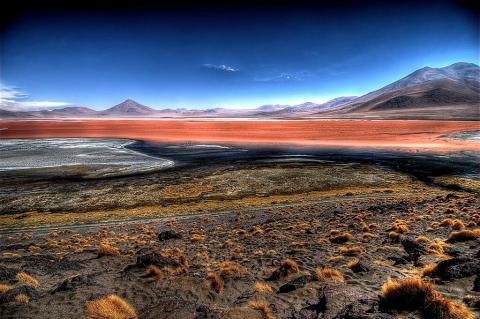
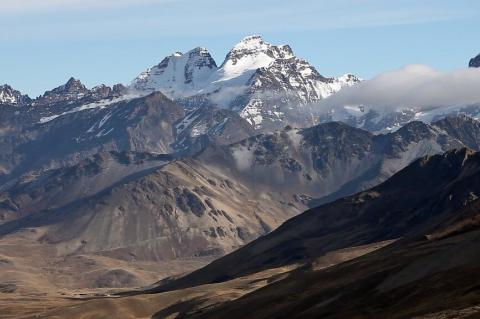
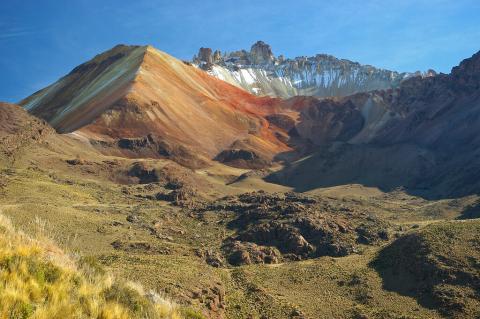
Nestled in the heart of the Bolivian Altiplano, the Tunupa Volcano is a towering witness to the region's geological and hydrological history. This dormant volcanic giant overlooks the vast expanses of the Salar de Uyuni and Salar de Coipasa, two of Bolivia's most extensive salt flats. Beyond its imposing presence, Tunupa holds the secrets of ancient lakes that once graced these high-altitude landscapes.