Andes Mountains

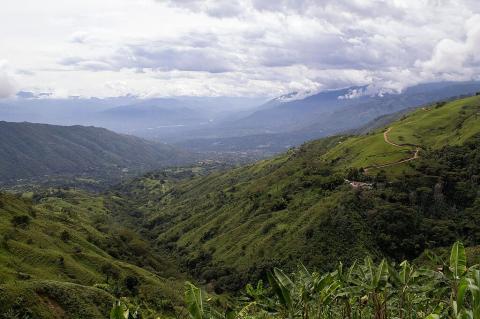
The Colombian Andes: A Confluence of Nature and Civilization

The Colombian Andes are a fascinating and complex part of the Andean mountain system, representing the northern extension of this vast range stretching along South America's western coast. The Andes divide into three parallel mountain chains in Colombia: the Cordillera Occidental, the Cordillera Central, and the Cordillera Oriental. The Andean Natural Region, encompassing these mountain ranges, is Colombia's most populous natural region, hosting many urban centers and significant pre-Columbian settlements.

The Icy Giants of the Colombian Andes: Exploring the Sierra Nevada de Güicán, El Cocuy, and Chita

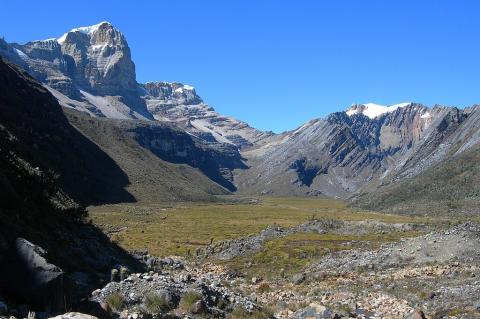
The Sierra Nevada de Güicán, El Cocuy, and Chita is a breathtaking range within the Andes Mountains of Colombia. This range, known for its stunning snow-capped peaks and glacial landscapes, is Colombia's largest glacial mass and the largest in South America north of the equator. This range holds deep cultural significance for the indigenous U'wa people and is a haven for biodiversity. Its awe-inspiring beauty and ecological and cultural importance make it one of Colombia's most treasured natural landmarks.

The Patagonian and Fuegian Andes: Spine of the World's End

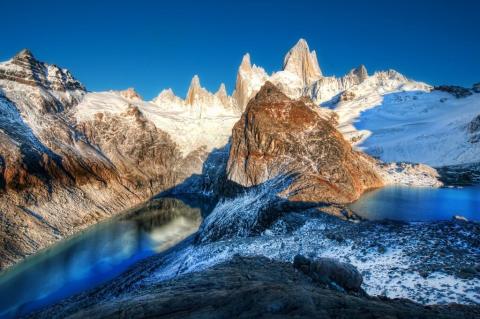
Rising from the steppes of southern Argentina and Chile like a serrated blade cleaving sky from earth, the Patagonian and Fuegian Andes form a spectacular and complex mountain system. This southern extension of the Andean chain features dramatic landscapes, towering granite spires, ancient ice fields, and active volcanic peaks that reshape the continent. These mountains serve as a living laboratory of planetary processes, a refuge for unique ecosystems, and a testament to the powerful natural forces that have shaped our world.

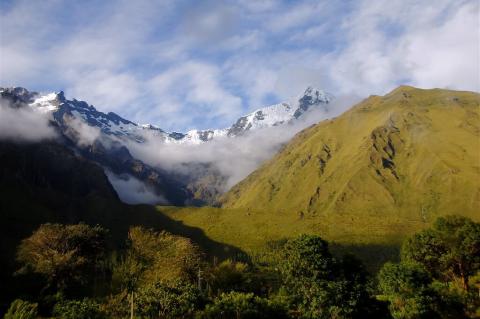
The Peruvian Andes: Peru's Sierra Region Where Earth Touches Sky

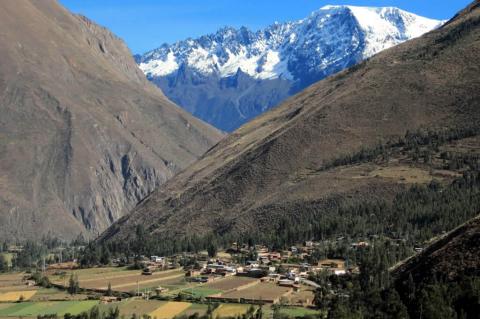
Rising proudly from the Pacific coastal plains to the Amazon Rainforest, Peru's Sierra region is one of the most breathtaking and intricate mountain systems on Earth. This expansive highland area, which includes the Peruvian section of the Andes, extends through the country's center like a giant geological backbone, influencing the landscape, climate, biodiversity, and cultural history of Peru. The region is mainly characterized by three main cordilleras, or mountain ranges, each with unique geological traits, climate conditions, and ecological systems.

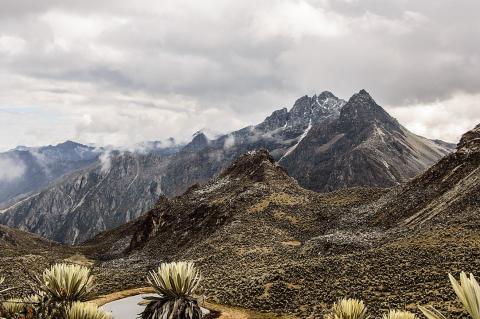
The Venezuelan Andes: A Jewel of the Tropical Andes

The Venezuelan Andes, also known as the Venezuelan Andean Cordillera, represents the northernmost extension of the Andes Mountain range. This major mountain system runs along the western coast of South America and is vital to Venezuela's natural and geographic landscape. The Andean natural region, encompassing the Cordillera de Mérida and the Serranía del Perijá, is one of Venezuela's distinct natural regions, contributing significantly to the country's biodiversity and cultural richness.

Tropical Andes - Biodiversity Hotspot: Preserving the Ecological Jewel

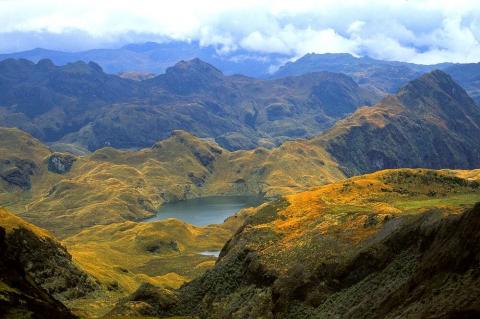
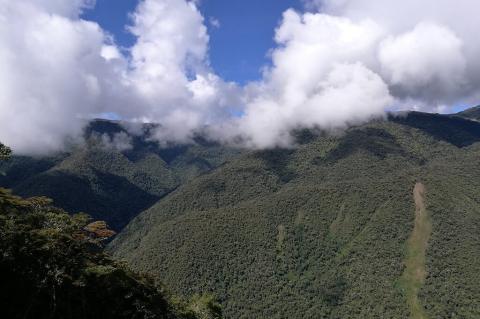
The Tropical Andes region spans from northern Venezuela to Bolivia and includes the northernmost Andes mountain ranges. This region is home to the Tropical Andes Biodiversity Hotspot, the most biologically diverse of all known hotspots and harbors around one-sixth of all plant life on the planet. However, the Tropical Andes are encountering significant challenges that threaten their ecological significance.