
Valle Central and Valle del General: Unveiling Costa Rica's Highland Gems
Costa Rica's Central Highlands encompass the Valle Central, home to San José and 60% of the country's population, and the Valle del General to the south — two valleys whose history includes Costa Rica's first civil war, the loss of a 260-year-old capital city, and some of the world's most prized coffee-growing land.
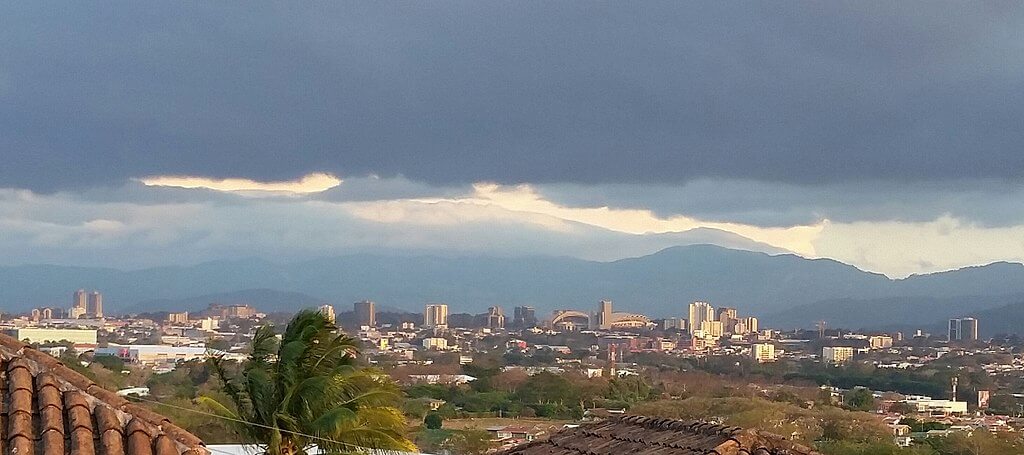
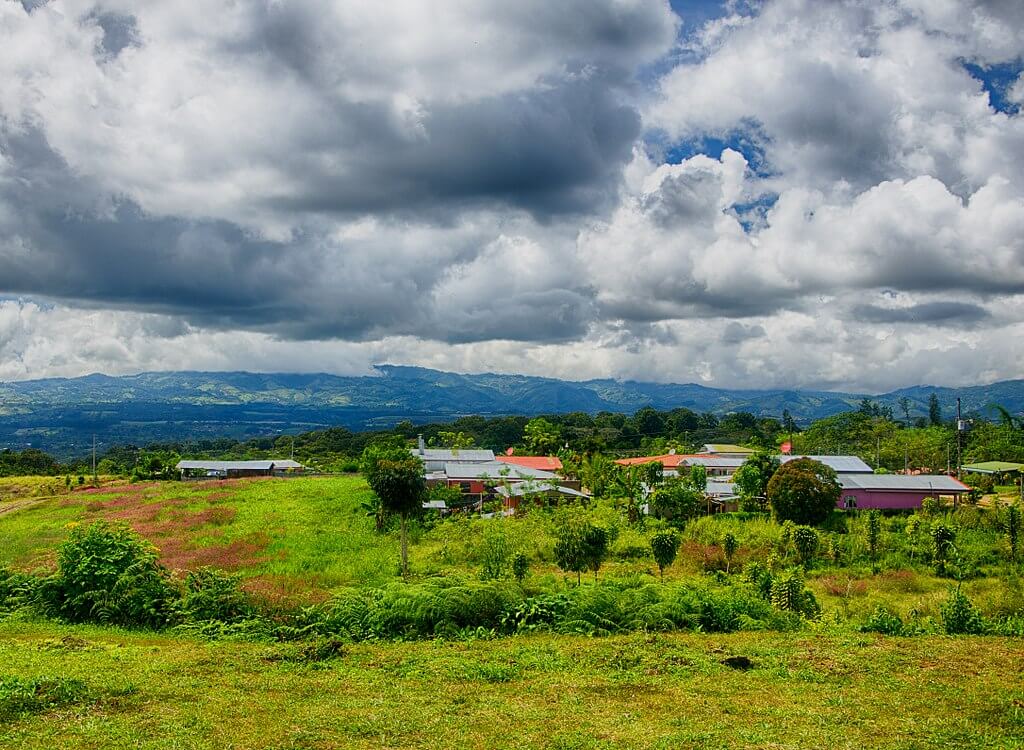
Valle Central and Valle del General: The Valley That Lost a Capital, and the One That Grows Coffee
Nestled amid Costa Rica's verdant landscapes, the Central Highlands stand as a testament to the country's rich natural heritage and cultural diversity. This region, encompassing the Valle Central (Central Valley) and Valle del General (General Valley), offers a striking blend of ecological richness, dramatic history, and productive agricultural land that together have shaped the country's identity long before Spanish contact.
The Valle Central: Heartland of a Nation
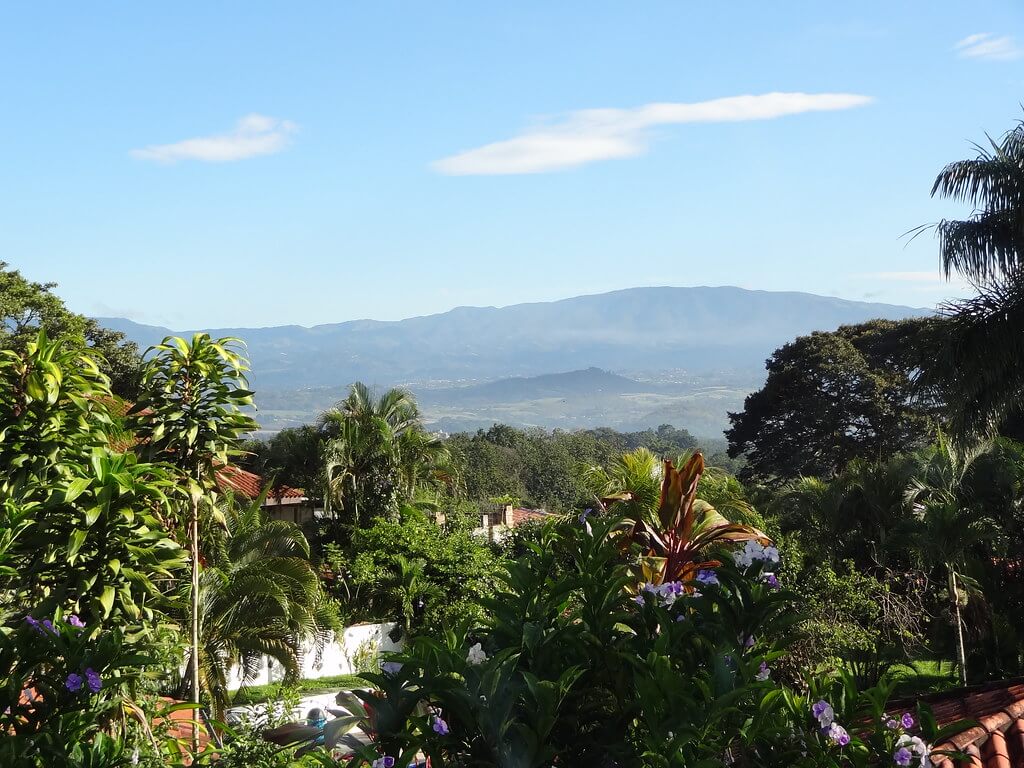
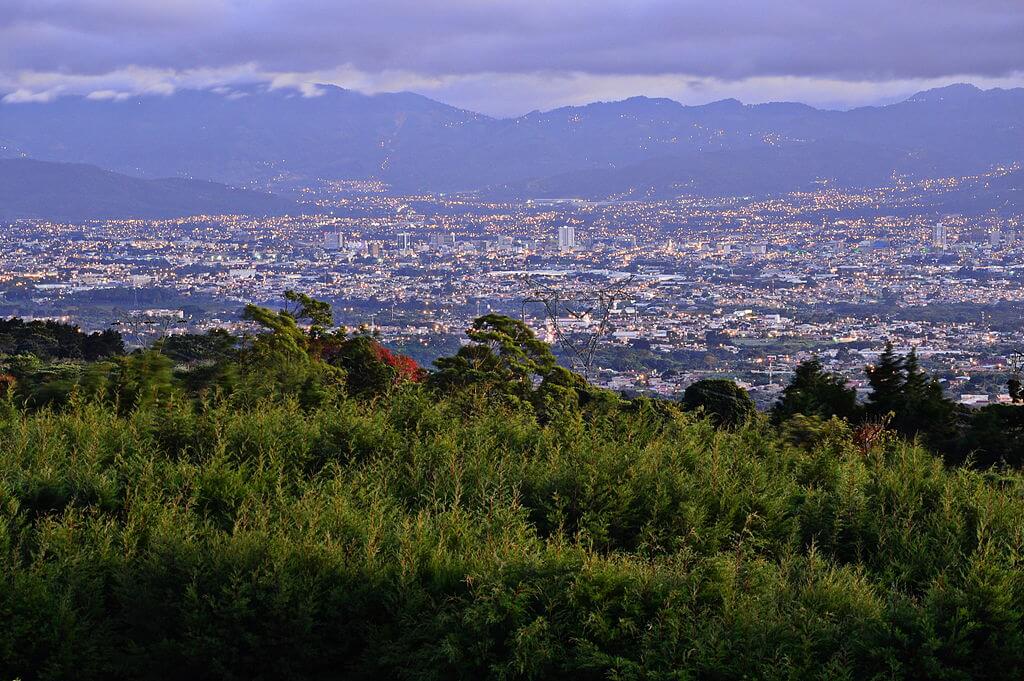
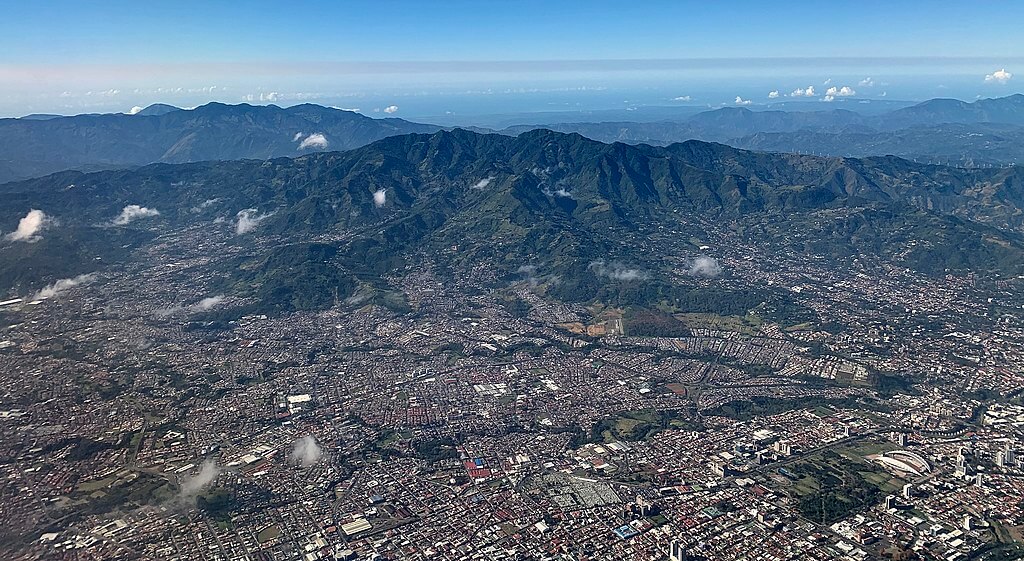
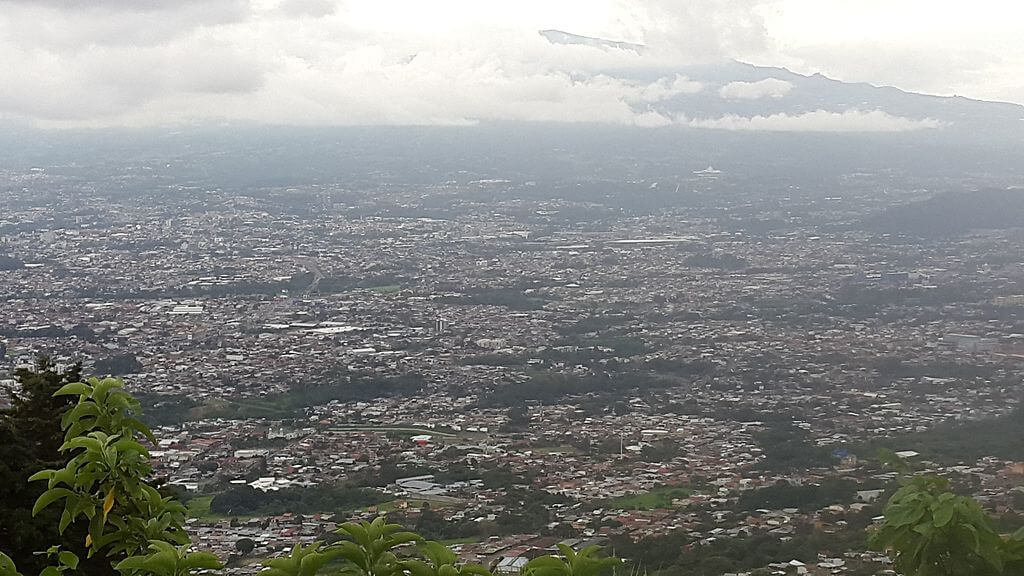
The Valle Central forms the heart of Costa Rica's Central Highlands, surrounded by the Cordillera Central and Cordillera de Talamanca. Sitting at elevations between roughly 800 and 1,500 meters (2,625 and 4,921 feet), the valley's altitude gives it a temperate, spring-like climate year-round despite its tropical latitude, and its fertile volcanic soils have made it Costa Rica's agricultural and demographic core: roughly 60% of the country's population lives within the valley today, concentrated in the four cities of San José, Alajuela, Heredia, and Cartago.
Before Spanish arrival, the valley was the territory of the Huetar people, whose society was organized under caciques, or chiefs, governing distinct territories, and whose agriculture centered on maize, beans, squash, and chili peppers grown in the valley's fertile soils. Cartago, founded in 1563-64 by conquistador Juan Vázquez de Coronado, became Costa Rica's first Spanish settlement and remained the colony's, and later the young nation's, capital for 260 years. That status ended abruptly in 1823, in the immediate aftermath of Central American independence from Spain, when a dispute over whether Costa Rica should join the newly formed Mexican Empire split the valley into two rival factions: Republican forces from San José and Alajuela, who favored independence, against Cartago and Heredia, who favored joining Mexico. The two sides met at the Battle of Ochomogo on April 5, 1823, Costa Rica's first civil war; the Republican victory ended any prospect of union with Mexico and permanently shifted the capital to San José, a decision reaffirmed after a second, smaller conflict, the League War, in 1835.
San José, founded only in 1737 and long overshadowed by the older towns of Cartago, Heredia, and Alajuela, has since grown into a metropolitan area of roughly 2 million people and Costa Rica's political, economic, and cultural center, blending colonial-era remnants with modern development and a thriving arts scene. The Valle Central is also, alongside the coffee regions of Tarrazú, Orosi, and the West Valley within its boundaries, the historic birthplace of Costa Rican coffee cultivation, introduced in the early 19th century and still grown extensively on the volcanic slopes surrounding the valley, alongside sugar cane and other crops that continue to anchor the region's agricultural economy.
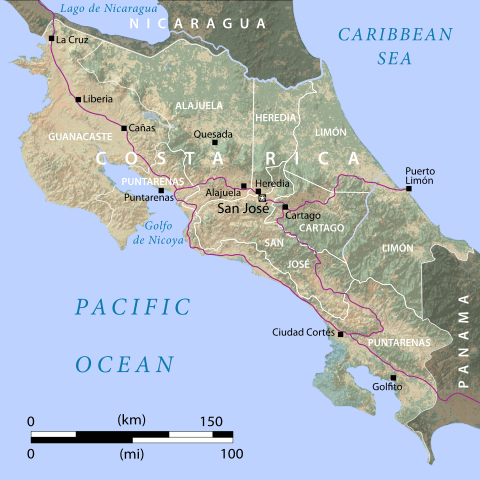
Map of Costa Rica: the major cities of San José, Heredia, Alajuela, and Cartago are located in the Valle Central.
Valle del General: Coffee Country to the South
South of the Valle Central, where the Cordillera de Talamanca meets the Cordillera Central, lies the Valle del General, a lower, warmer valley that serves as a gateway to some of Costa Rica's most significant remaining wilderness. Centered on the town of San Isidro de El General, the valley is part of the Brunca coffee-growing region, one of Costa Rica's recognized coffee-producing zones, and includes diverse ecosystems ranging from lowland tropical forest to the high-altitude cloud forest and páramo on the flanks of the Talamanca massif above it.
The Valle del General is home to Bribri and Cabécar communities, whose deep cultural and spiritual connection to the Talamanca highlands, including their matrilineal clan structures and the sacred role of cacao in Bribri cosmology, is covered in fuller depth in our Cordillera de Talamanca article. These communities have long served as stewards of the region's ecological and cultural richness, passing down traditional knowledge and land-management practices across generations.
Exploring the Natural Wonders of the Central Highlands
The Central Highlands host several of Costa Rica's most significant national parks and protected areas. Poás Volcano National Park, dominated by one of the world's largest active volcanic craters, offers access to the surrounding cloud forest and the crater itself. Irazú Volcano National Park, centered on Costa Rica's highest volcano, offers views that on clear days extend to both the Pacific and Caribbean coasts simultaneously. Braulio Carrillo National Park, one of Costa Rica's largest protected areas, protects dense cloud forest and a wide range of biodiversity just north of San José, while Los Quetzales National Park, within the Valle del General, is renowned for its population of the resplendent quetzal (Pharomachrus mocinno), a bird considered sacred by pre-Columbian Indigenous cultures throughout the region.
The Central Highlands offer extensive outdoor recreation as well, from hiking through cloud forest and volcanic landscapes to whitewater rafting on the rivers draining the surrounding mountains and birdwatching throughout the region's protected areas, drawing visitors and nature enthusiasts from around the world to a landscape shaped as much by centuries of human history as by geology and climate.
Conclusion
The Valle Central and Valle del General together tell the story of modern Costa Rica in miniature: a fertile highland heartland whose 19th-century political rivalries determined where the nation's capital would sit, and a productive southern valley whose coffee and biodiversity remain inseparable from the Indigenous communities who have stewarded its highlands for centuries. Understanding these two valleys is essential to understanding Costa Rica itself, both the country it became after 1823 and the deeper histories that predate that turning point entirely.