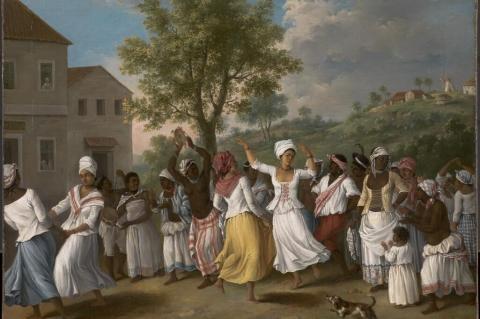
Indigenous Cultures

Indigenous Caribbean: The Forgotten Peoples and Their Lasting Impact

Before European contact, the Caribbean housed diverse Indigenous societies with unique cultures suited to their environments. While the Taíno are the best-known group, others like the Kalinago, Ciboney, Guanahatabey, Guanahacabibe, Garifuna, and Lucayan significantly influenced Caribbean history. These groups occupied various islands, engaged in trade and conflict, and developed distinct economic, social, and spiritual practices. Their legacies endure in the cultures and traditions of the modern Caribbean.
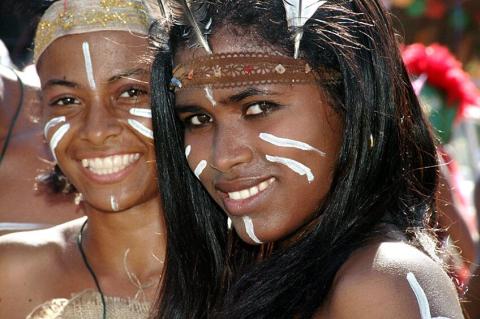
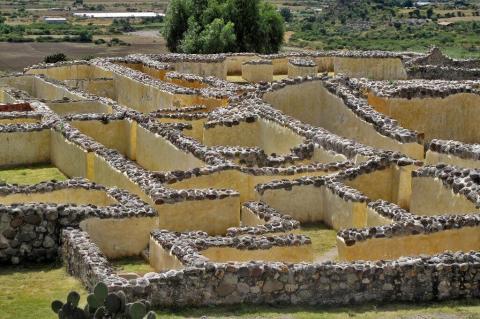
The Taíno and the Indigenous Caribbean

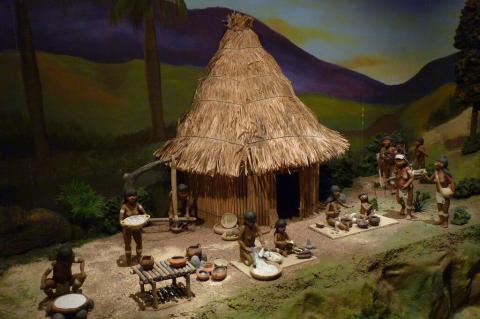
The Taíno were the Indigenous people who inhabited the Caribbean islands of the Greater Antilles, the Bahamas, and parts of the Lesser Antilles before European contact. As the first Indigenous group to encounter Christopher Columbus in 1492, they played a crucial role in shaping early European perceptions of the Americas. Their civilization flourished across present-day Cuba, Hispaniola, Puerto Rico, Jamaica, and the Bahamas, where they built sophisticated societies rooted in agriculture, trade, spirituality, and communal living.

The Zapotec and Mixtec: Builders of Mountain Kingdoms

The influential indigenous cultures of Mesoamerica, the Zapotec and Mixtec civilizations, thrived in what is now Oaxaca, Mexico. The Zapotecs, one of the earliest complex societies, developed a sophisticated political and religious system, built impressive urban centers like Monte Albán, and created an early writing system. The Mixtecs gained prominence after the Zapotecs' decline and are known for their artistic achievements, codices, and intricate metalwork. Both left legacies that shaped Oaxaca's cultural landscape and continue to influence Indigenous communities today.

The Maya Civilization: Architects of an Enduring Legacy

The Maya civilization, one of the most advanced and influential cultures of the ancient Americas, flourished in Mesoamerica for more than 2,000 years. Emerging around 2000 BCE and reaching its height between 250 and 900 CE, the Maya built vast city-states, developed one of the most sophisticated writing systems of the pre-Columbian world, and made remarkable advancements in mathematics, astronomy, and architecture.

The Olmec: The First Great Civilization of Mesoamerica

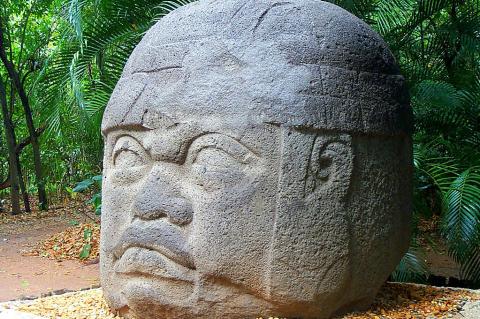
The Olmec civilization, which flourished between approximately 1500 and 400 BCE in what is now southern Mexico, is often regarded as the "Mother Culture" of Mesoamerica. This designation reflects the civilization's profound influence on later cultures, including the Maya, Zapotec, and Aztec. The Olmecs developed sophisticated artistic traditions, religious concepts, and early forms of writing and calendrical systems that shaped the cultural landscape of Mesoamerica for centuries.

Legacies of the Ancestors: Indigenous Cultures of Mexico and Central America

Mexico and Central America have been home to influential Indigenous civilizations. Before Europeans arrived, these cultures developed complex societies, advanced agriculture, impressive architecture, and rich spiritual traditions that still shape the region. From the Maya pyramids to the Aztec empire and the traditions of Nahua and Lenca, Mesoamerican peoples have significantly impacted the cultural landscape.

The Kalinago Territory: Preserving Indigenous Heritage in Dominica

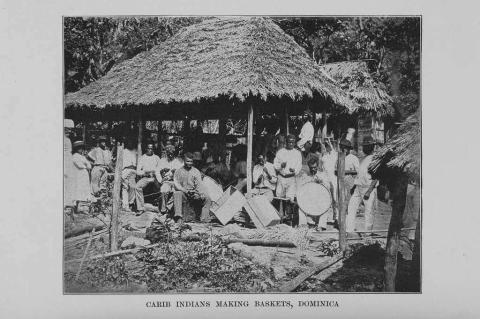
Situated on the rugged eastern coast of Dominica, the Kalinago Territory is a unique cultural and historical landmark that serves as the homeland of the island's Indigenous Kalinago people. Encompassing eight villages, the territory is home to the last remaining community of Kalinago in the Caribbean, preserving traditions that date back centuries. Despite the challenges posed by colonial history and modernization, the Kalinago have maintained their way of life.

The Indigenous Peoples of the Caribbean: History, Culture, and Legacy

The Caribbean, a region known for its rich cultural diversity and stunning landscapes, was originally home to a variety of Indigenous peoples who played a crucial role in shaping its early history. Long before European exploration, civilizations such as the Taíno, Kalinago, and Guanahatabey thrived across the islands, developing complex societies, agricultural systems, and maritime traditions. These Indigenous groups left an enduring legacy that continues to influence Caribbean culture.

The Path of Human Settlement in the Caribbean

The Caribbean, a vibrant tapestry of islands woven with rich cultural heritage and diverse histories, has long captivated the imagination of explorers, colonists, and scholars alike. This idyllic region, nestled between the Atlantic Ocean and the Caribbean Sea, has witnessed a remarkable journey of human settlement, spanning centuries and encompassing various civilizations.

The Enigmatic and Ancient Chinchorro Culture of Chile

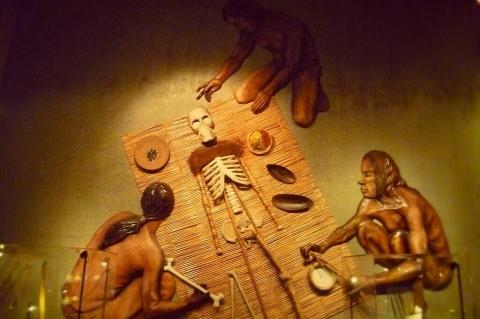
Nestled along the arid coastal regions of northern Chile, the Archaeological Sites of the Chinchorro Culture stand as a testament to one of the oldest and most remarkable pre-Columbian civilizations in the Americas. This unique culture, which thrived for over 5,000 years, has left an indelible mark on the region's rich archaeological heritage, shedding light on the resilience and ingenuity of the human spirit.