Landforms of Argentina

Sierra de Córdoba: Argentina's Majestic Mountain Range

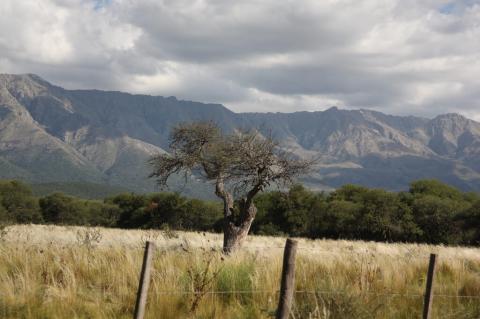
The Sierra de Córdoba is one of Argentina's most significant mountain ranges, stretching across the country's central region. Located primarily in Córdoba Province, it forms part of the larger Sierras Pampeanas system. Characterized by rolling hills, deep valleys, and rugged peaks, the range is a vital ecological and cultural region. Its rich biodiversity, historical significance, and economic contributions make it an essential natural landmark in Argentina.

The Altiplano—Puna Volcanic Complex: Unveiling Geological Marvels in South America

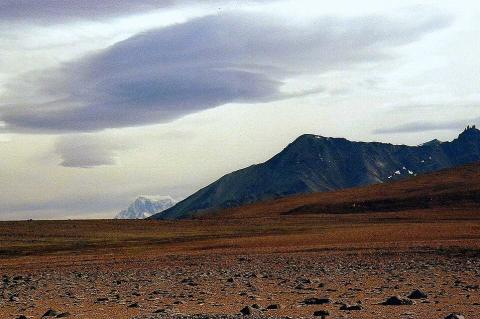
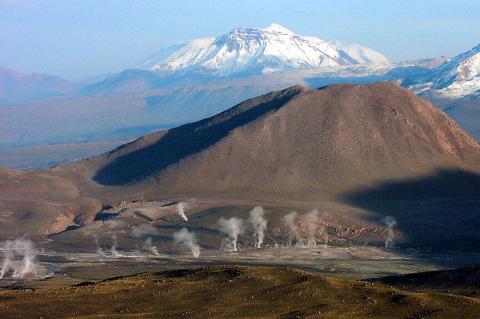
The Altiplano—Puna volcanic complex is a testament to the awe-inspiring geological processes shaping the southern portion of the Altiplano—Puna plateau in the central Andes. It spans Argentina, Bolivia, and Chile and was formed when the Nazca Plate subducted beneath the South American Plate. The complex boasts diverse volcanic features and is the largest active magma reservoir. Scientific exploration continues to unravel the region's geological history, revealing insights into subterranean processes.

The Bermejo River: South America's Diverse Lifeline

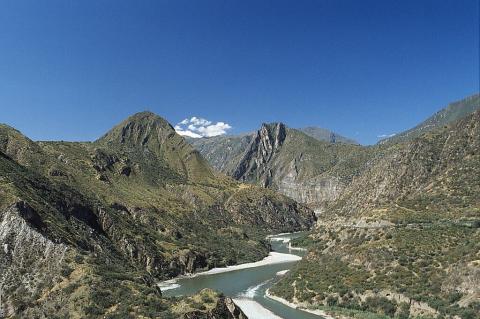
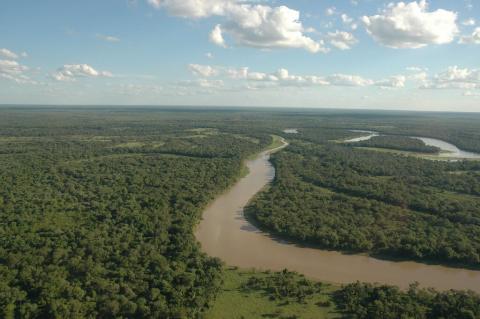
The Bermejo River, a crucial waterway in South America, traverses diverse landscapes across Bolivia and Argentina. In its upper course, the river is known as the Bermejo, but in its lower reaches, it transitions into the Desaguadero and later the Salado. Flowing from the Andes Mountains to its confluence with the Paraguay River, the Bermejo sustains ecosystems, supports human settlements, and plays an essential role in regional economies.

The Chilean and Argentine Andes: A Towering Realm of Extremes and Natural Wonders

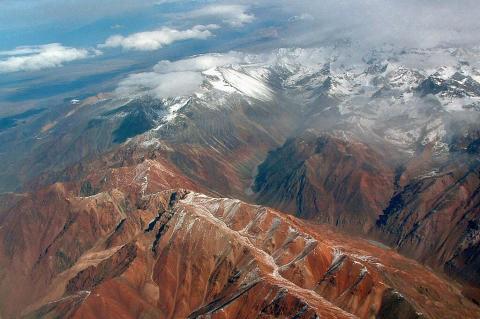
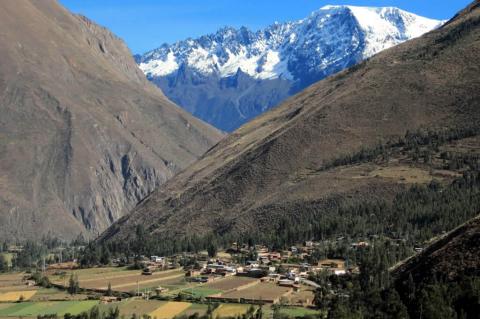
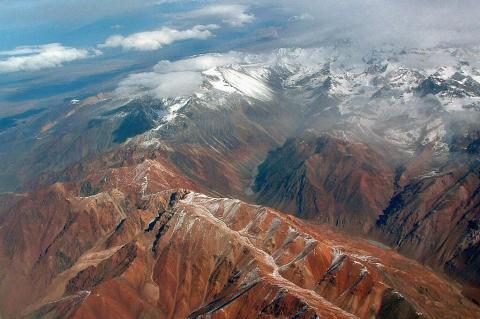
Stretching like a mighty spine along the western edge of South America, the Andes Mountain Range stands as a towering testament to nature's grandeur and complexity. This colossal cordillera, spanning seven countries, encompasses some of the planet's most extreme and diverse landscapes. At the heart of this vast mountain system lies the Chilean and Argentine Andes, where the borders between these two nations are defined by soaring peaks, glacial valleys, and landscapes that oscillate between the arid desolation of the Dry Andes and lush, verdant splendor of the Wet Andes.

The Chubut River: Lifeline of Argentine Patagonia

The Chubut River is a defining geographical and ecological feature of Argentine Patagonia, flowing through the heart of Chubut Province. As one of the most important rivers in the region, it plays a crucial role in supporting biodiversity, agriculture, and human settlements in an otherwise arid landscape. Originating in the Andes and traveling eastward to the Atlantic Ocean, the Chubut River provides essential water resources for both natural ecosystems and human activities.

The Colorado River of Argentina: A Vital Lifeline of the Pampas and Patagonia

The Colorado River of Argentina is a crucial waterway that traverses the vast landscapes of central and southern Argentina. It plays an essential role in shaping the region's geography, ecology, and human activity. Originating in the Andes Mountains, the river flows across arid and semi-arid landscapes before emptying into the Atlantic Ocean. Its waters sustain agriculture, support diverse ecosystems, and serve as a natural boundary between provinces.

The Crystalline Expanse: Salinas Grandes and Argentina's High-Altitude Salt Desert

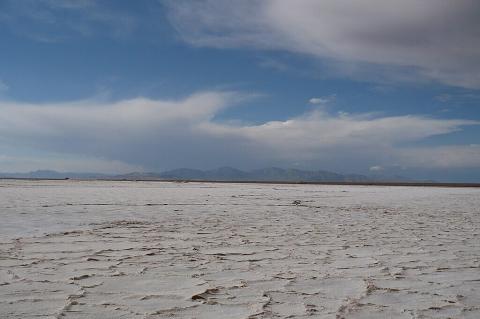
Stretching across the rugged landscape of northwestern Argentina like a frozen sea of white crystals, Salinas Grandes stands as one of South America's most spectacular natural phenomena. These vast salt flats represent the third-largest salt desert in South America and one of the most accessible high-altitude salars on the continent. The gleaming white expanse offers visitors an otherworldly experience that combines geological wonder with cultural significance, creating a destination that captivates scientists, photographers, and travelers.

The Enigmatic Waters of Lake O'Higgins: A Natural Wonder of Patagonia

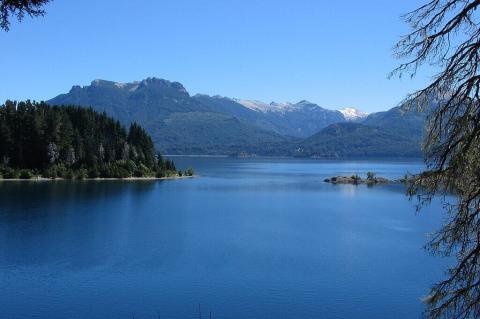
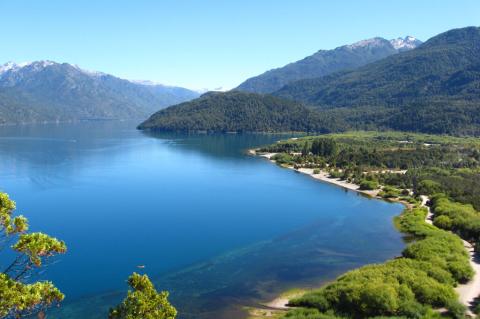
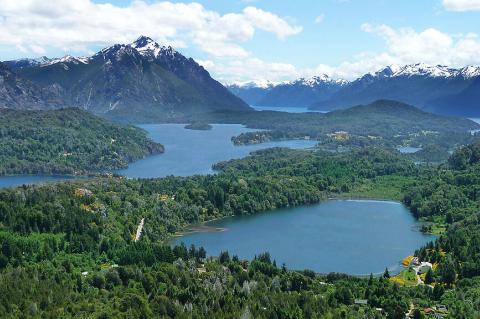
Nestled deep within the rugged wilderness of Patagonia, Lake O'Higgins is one of the most breathtaking and remote bodies of water in South America. Straddling the border between Chile and Argentina, it is known as Lake San Martín in Argentina, reflecting the intertwined histories of both nations. Renowned for its striking turquoise waters, immense depth, and dramatic fjords, it is a natural masterpiece shaped by glacial activity and the relentless forces of the Patagonian climate.

The Guaraní Aquifer System: South America's Hidden Ocean and the Future of Freshwater Security

Deep beneath four South American nations lies the Guaraní Aquifer System (GAS), one of Earth's most remarkable geological treasures. Spanning 1.2 million square kilometers of Argentina, Brazil, Paraguay, and Uruguay, it creates an underground hydrological empire rivaling the Mediterranean Sea. Named after the Indigenous Guaraní people, this aquifer system represents far more than a simple water source—it embodies the interconnected destiny of four nations and serves as a critical bulwark against regional water insecurity in an era of climate uncertainty.

The Iguazú River: A Natural Wonder of South America

The Iguazú River, one of South America's most remarkable waterways, is a vital natural feature that traverses the landscapes of Brazil and Argentina. Renowned for its breathtaking Iguazú Falls, the river is a critical component of the region's hydrological system, supporting diverse ecosystems and serving as an essential resource for local communities. Originating in the Serra do Mar coastal range, the river winds through lush forests and rugged terrain before culminating in a dramatic series of cascades.