
Alerce Costero National Park: Guardian of the Coastal Giants
Alerce Costero National Park, in Chile's Cordillera Pelada, protects forests of the endangered alerce, or Patagonian cypress, including the Gran Abuelo, a tree at least 3,600 years old and possibly far older. The alerce was logged for centuries before Chile banned the cutting of living trees in 1976.
Alerce Costero National Park: Home of the Gran Abuelo, and a Forest That Outlasted the Axe
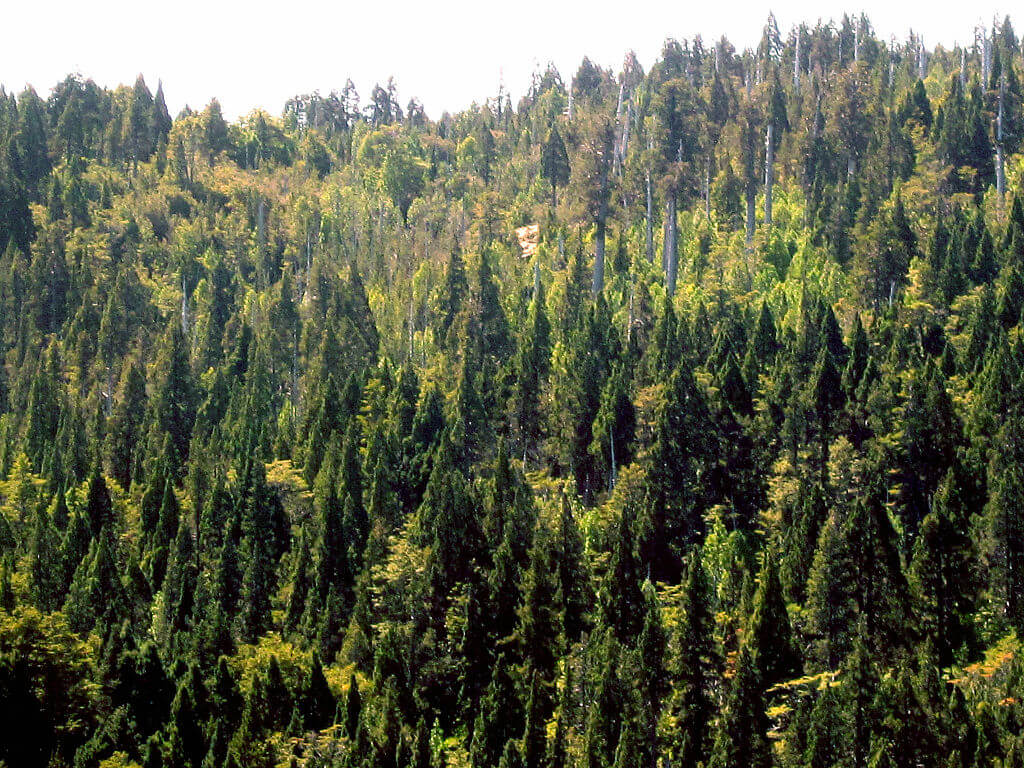
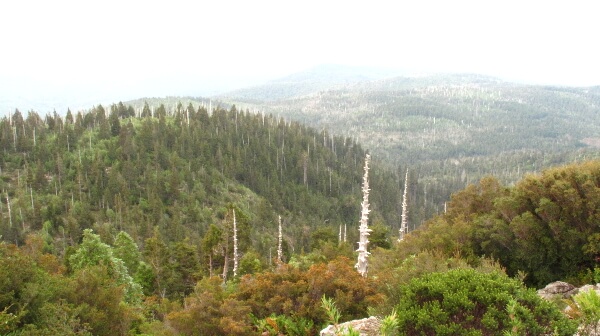
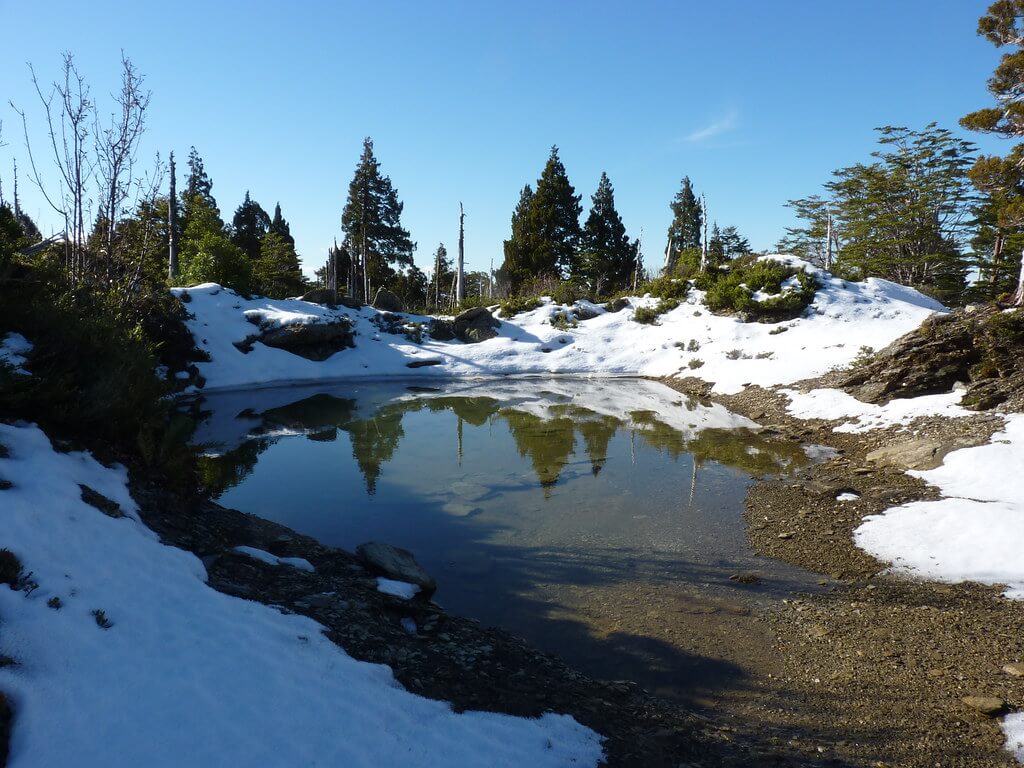
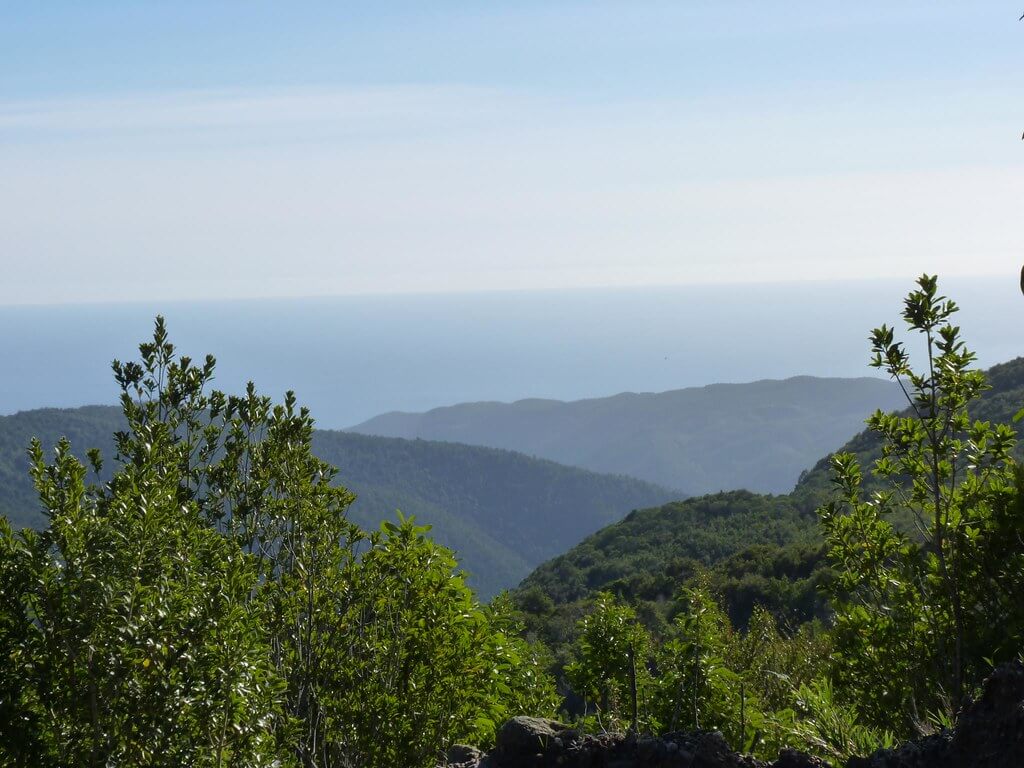
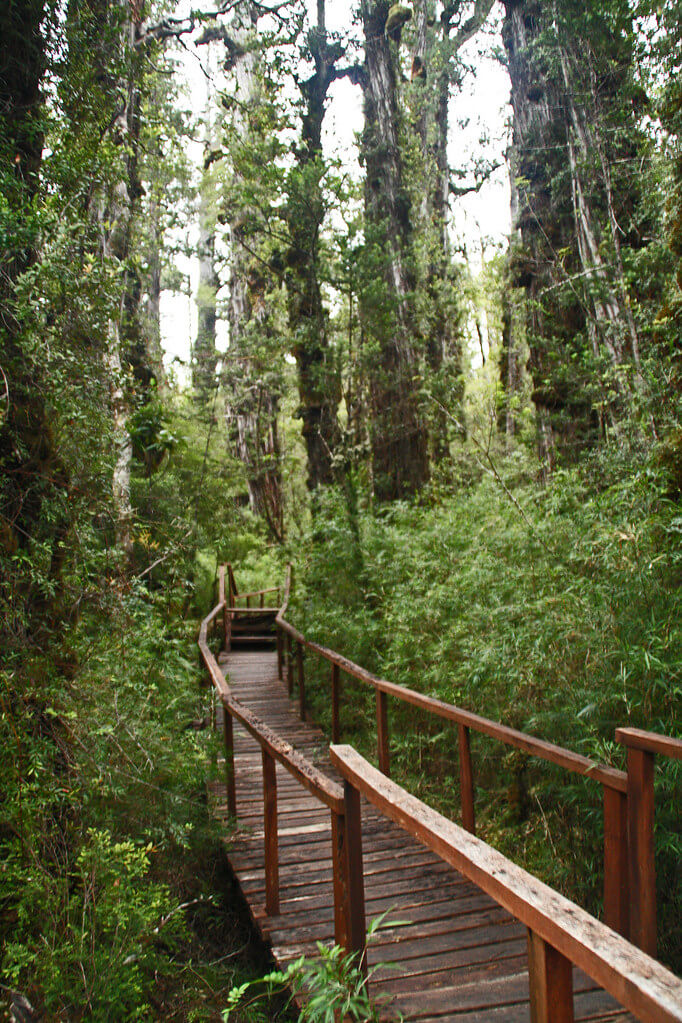
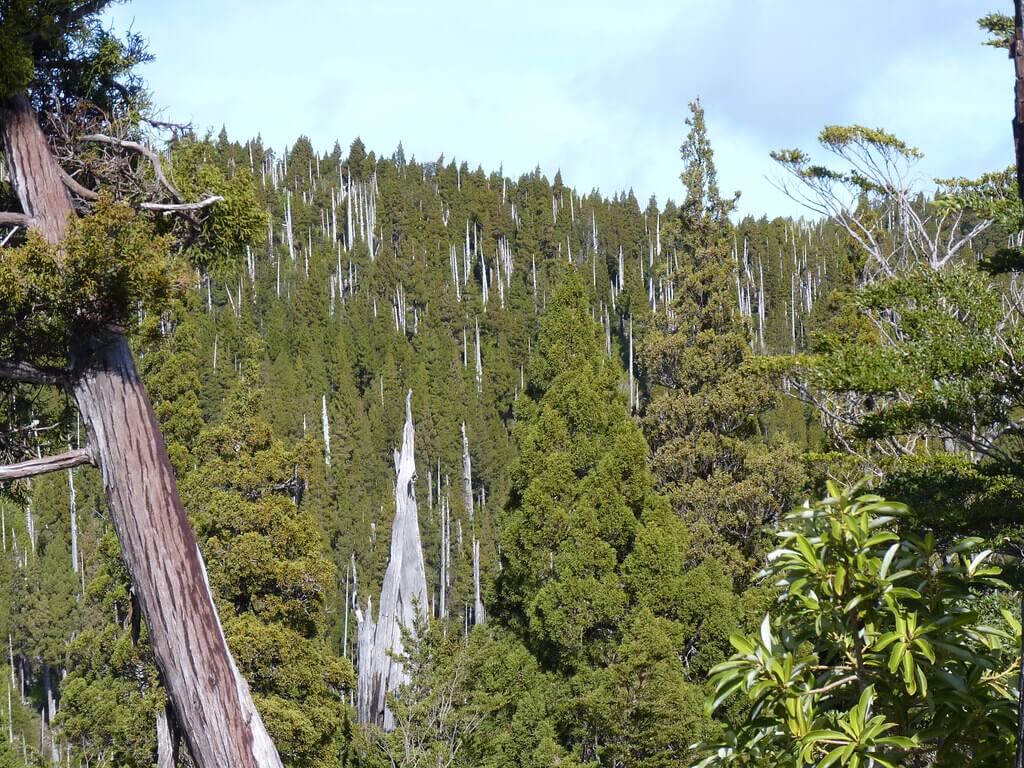
Alerce Costero National Park lies in the Los Ríos Region of southern Chile, in the Cordillera Pelada, a section of the Coastal Range described in our Coastal Range and Central Valley article. It covers roughly 14,000 hectares (about 35,000 acres) of temperate rainforest, rising to just over 1,000 m (3,280 ft), about 137 km (85 mi) from Valdivia and 49 km (30 mi) from the town of La Unión, with one entrance reached from La Unión and another from the Pacific side at Chaihuín. It adjoins the much larger Valdivian Coastal Reserve, a private reserve owned by The Nature Conservancy that is the largest protected area in the Chilean Coast Range. As a result, the park forms one core of a large protected stretch of the Valdivian temperate forests.
A Park Assembled in Stages
Protection of the Cordillera Pelada's alerce forests came gradually. Chile established a national tourism park, Los Alerzales-Carlos Skottsberg, there in 1964, and in 1976 declared the alerce itself a natural monument, banning the cutting of living trees. In 1987, the Alerce Costero Natural Monument was created, covering about 2,300 hectares (5,700 acres); in 2010, the area was elevated to national park status through a public-private effort that combined the monument, the Valdivia National Reserve, and other lands, including land donated by The Nature Conservancy. CONAF, Chile's national forest corporation, administers the park.
The Alerce: South America's Largest Tree
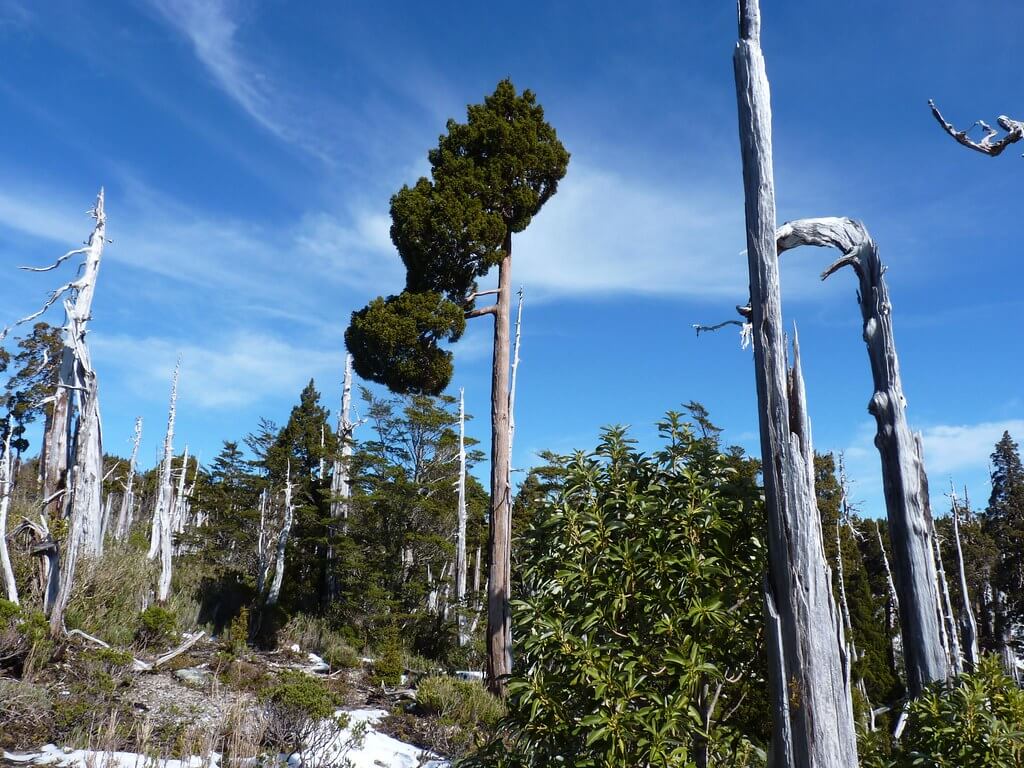
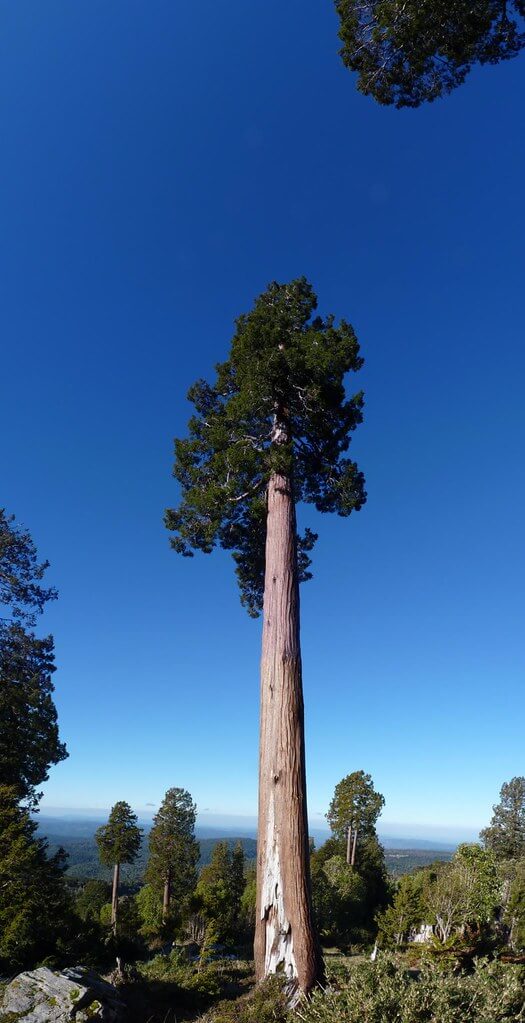
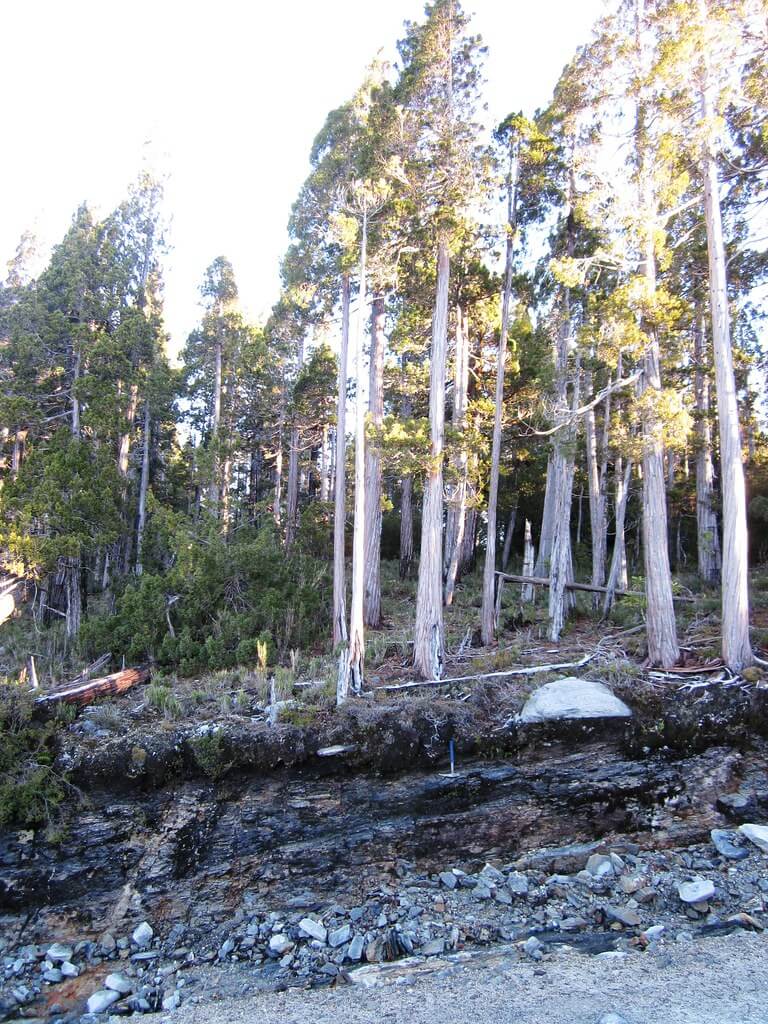
The alerce (Fitzroya cupressoides), named for Robert FitzRoy, captain of the Beagle on Darwin's voyage, is the largest tree species in South America, normally reaching 40 to 60 m (130 to 200 ft) and occasionally more than 70 m, with trunks up to 5 m (16 ft) across. It grows extremely slowly, with reported growth rates of roughly 0.3 to 3 mm a year, and individual trees can live for more than 3,600 years, making its dense forests among the oldest in the world. Though it grows in near-rainforest conditions, the alerce regenerates best after disturbance, and while occasional natural fire may renew stands, human-set fires have been devastating. The IUCN lists the species as Endangered.
The Gran Abuelo
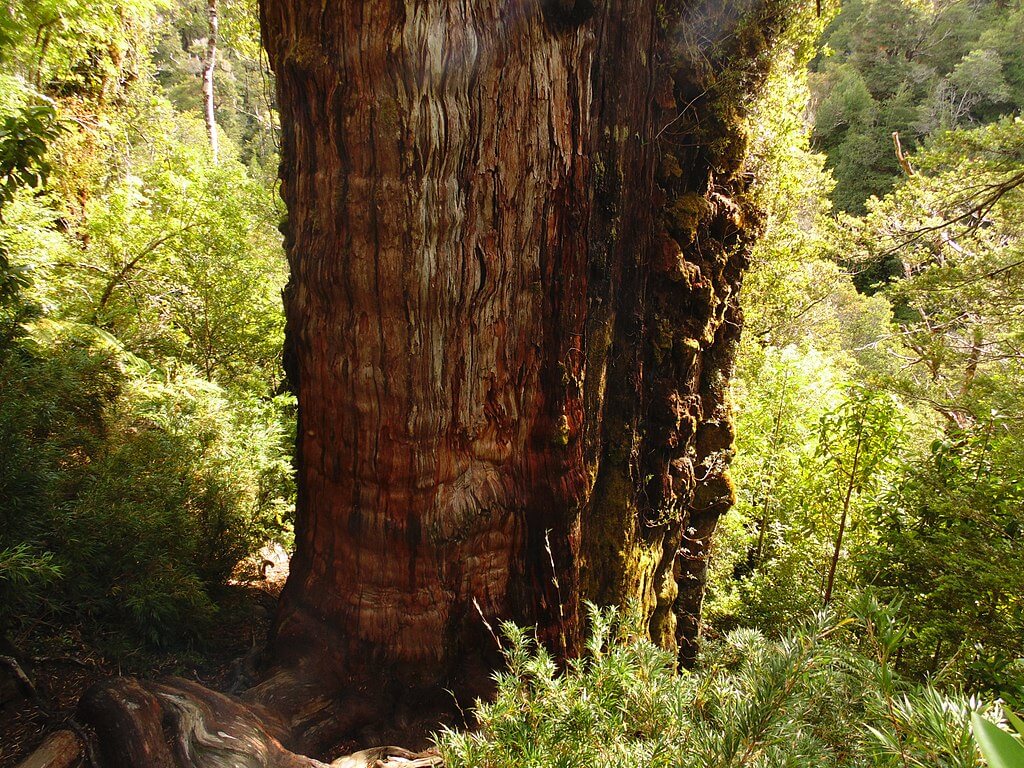
The park is home to the Gran Abuelo ("Great-Grandfather"), also called Alerce Milenario, the largest known living alerce and the oldest living tree in South America. It stands in a ravine and is about 4 m (13 ft) in diameter, with a perimeter of roughly 11 m (36 ft); reported heights vary widely between sources, from about 28 m in recent measurements to more than 60 m in older ones. In 1993, ring counts put its age at 3,622 years, the second-oldest fully verified age of any living tree, behind only the Great Basin bristlecone pine of the United States.
In 2022, a team led by Chilean scientist Jonathan Barichivich proposed that the Gran Abuelo may be far older. Because the tree's core could not be sampled all the way to its center, they used a growth model to estimate a most likely age of about 5,400 years, with all simulations giving at least 4,100 years and about an 80% chance of more than 5,000. That would make it the oldest known non-clonal tree on Earth, but some tree-ring specialists have cautioned against relying on modeled rather than counted ages, so the claim remains unconfirmed.
How the Alerce Nearly Disappeared
The alerce's light, straight-grained, rot-resistant wood made it one of colonial Chile's most valuable resources, used for shingles, planks, ship masts, and furniture. For more than three centuries, it was cut on a vast scale, and alerce planks became the principal trade good between southern Chile and Peru, even serving as local currency in Chiloé, where it was known as the real de alerce. Charles Darwin reported finding an alerce 12.6 m (41 ft) in diameter, far larger than anything that survives today.
The species was listed under CITES Appendix I in 1973, banning its international trade, and in 1976 Chile declared it a natural monument and prohibited cutting live trees. A loophole remains: timber from trees that died before 1976 can still be harvested legally, which has encouraged illegal cutting and deliberate burning to create "dead wood," and tree-ring dating of fire and cutting dates is now used to prosecute such cases. Much of the alerce forest in the Coastal Range today is secondary growth regenerating after fire, logging, and bark stripping, which is part of what makes the old stands protected here so valuable.
Flora and Fauna
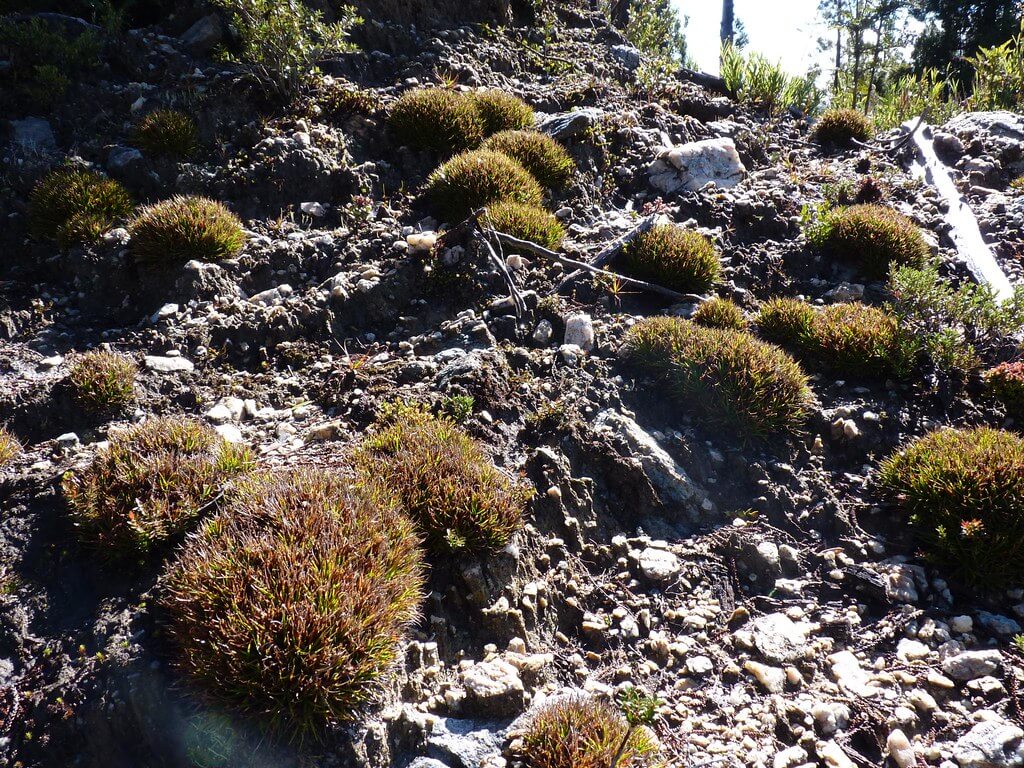
The alerce grows here among other characteristic trees of the Valdivian forest, including canelo (Drimys winteri), ciprés de las Guaitecas (Pilgerodendron uviferum), tineo (Weinmannia trichosperma), and coigüe de Chiloé (Nothofagus nitida)—the park also shelters carnivorous plants such as the sundew Drosera uniflora and the Chilean butterwort Pinguicula chilensis.
Among its mammals are the güiña, or kodkod (Leopardus guigna), a small forest cat, the puma (Puma concolor), the lesser grison (Galictis cuja), and the pudú (Pudu puda), one of the world's smallest deer, while the Magellanic woodpecker (Campephilus magellanicus), South America's largest woodpecker, hammers the older trees. Alerce also grows in the Andes, in Alerce Andino National Park in Chile and Los Alerces National Park in Argentina.
A Living Archive
Alerce Costero is one of the best places on Earth to see what the alerce forest once was and what it can still be: a landscape where trees established before the Egyptian pyramids were built still stand, and where decades of strict protection have kept the axe out. Its future depends on keeping fire away from the old stands, enforcing the ban on illegal cutting, and managing the surrounding Coastal Range so that this forest remains a core of a much larger protected landscape.