
The Serra Geral: Unveiling A Natural Wonder of Southern Brazil
The Serra Geral, the basalt-capped escarpment of southern Brazil, is built from 130-million-year-old flood basalts geologically distinct from the ancient crystalline rock of neighboring Serra do Mar — a rampart whose canyons, carved over millions of years, are now protected within Serra Geral National Park.
The Serra Geral: Brazil's Basalt Rampart
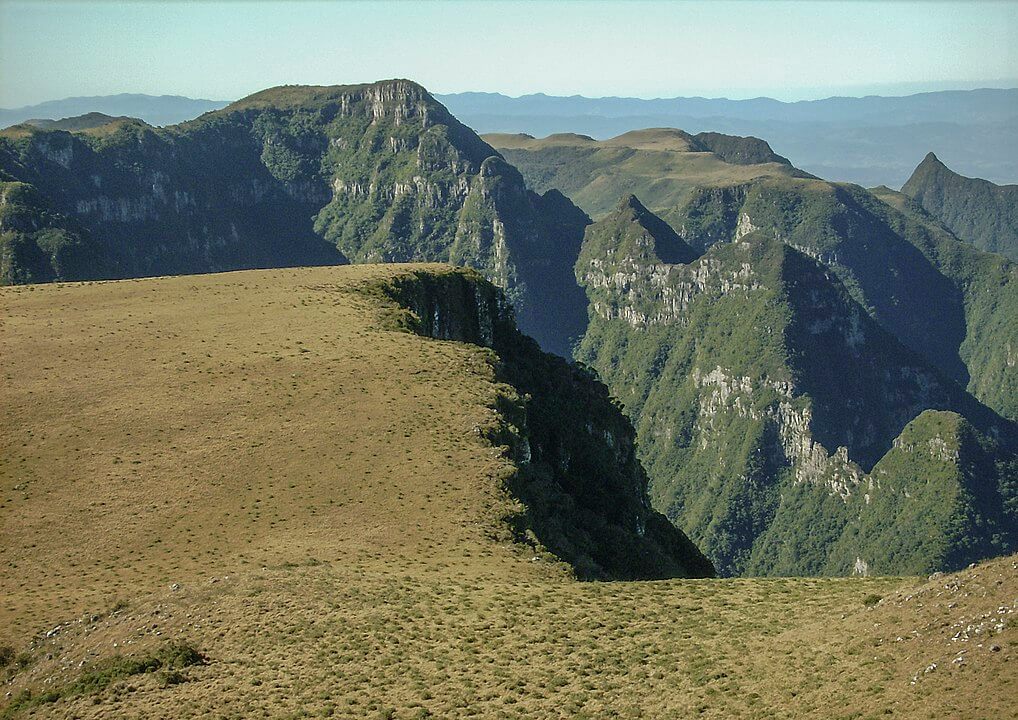
The Serra Geral, an imposing escarpment nestled within the interior of southern Brazil, stands as a testament to the region's geological complexity and ecological richness. From its eastern reaches in Rio Grande do Sul to its northern extent in São Paulo, this mountain range, often grouped alongside the Serra do Mar system as part of the broader Great Escarpment running the length of Brazil's Atlantic coast, captivates with its rugged beauty and diverse ecosystems. Within this breathtaking landscape lies the Serra Geral National Park, established to preserve the region's natural heritage and encompass iconic landmarks such as the Malacara, Churriado, and Fortaleza canyons.
Geological Significance and Ecological Diversity
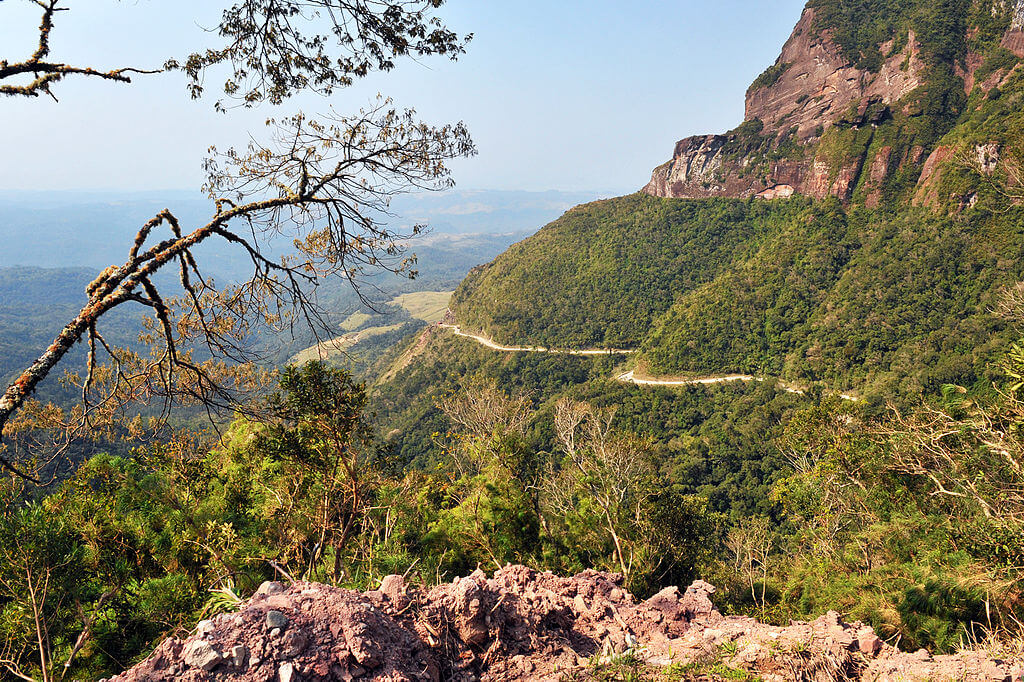
Stretching east-west along the Paraná Plateau, the Serra Geral forms the principal mountain relief of southern Brazil, running parallel to the Atlantic coast and, together with Serra do Mar further north, creating a continuous rampart that separates the narrow coastal plain from the interior plateau. While the two are often described together for this reason, their underlying geology tells two very different stories: Serra do Mar rests on ancient Precambrian crystalline rock over 500 million years old, whereas the Serra Geral is built from basalt laid down just 130 million years ago, during the Cretaceous eruptions of the Paraná-Etendeka large igneous province, the same volcanic event that created the wider Paraná Plateau's basalt cap and, on the far side of what was then a still-unified Gondwana, matching basalt formations now found in Namibia and Angola.
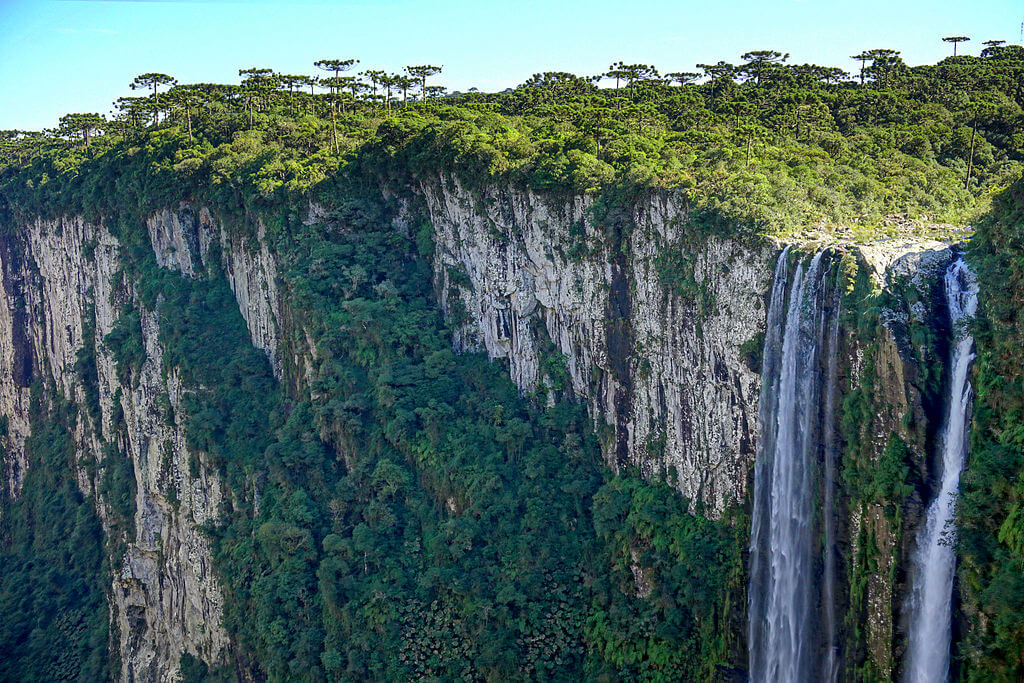
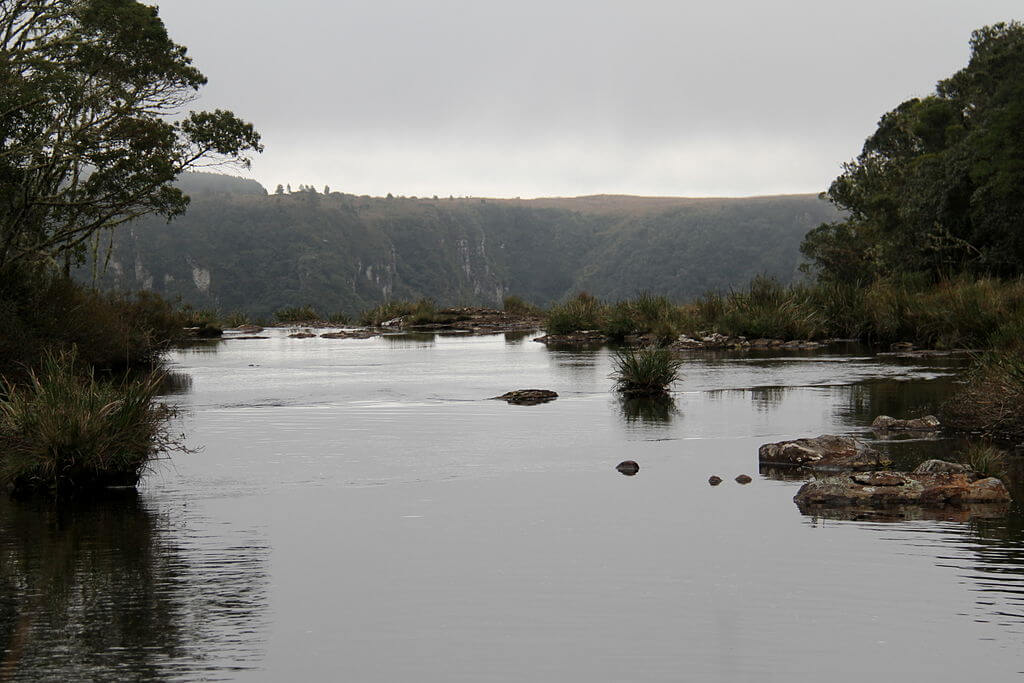
The plateau, adorned with the subtropical Araucaria moist forests, showcases a unique blend of flora and fauna. In contrast, the coastal plain, within the tropical Serra do Mar coastal forests ecoregion, boasts a network of rivers, lagoons, and bays. Tributaries of the Uruguay River carve through the plateau, draining into the vast Lagoa dos Patos of Rio Grande do Sul, adding to the region's geological diversity.
Serra Geral National Park: A Haven for Natural Heritage Preservation
Established in 1982 with the primary objective of safeguarding the awe-inspiring Malacara, Churriado, and Fortaleza canyons, Serra Geral National Park stands as a bastion of biodiversity conservation in the southern regions of Rio Grande do Sul and Santa Catarina. Spanning 17,300 hectares (42,750 acres), this protected area encompasses two distinct sections adjacent to Aparados da Serra National Park, creating a contiguous sanctuary for diverse flora and fauna.
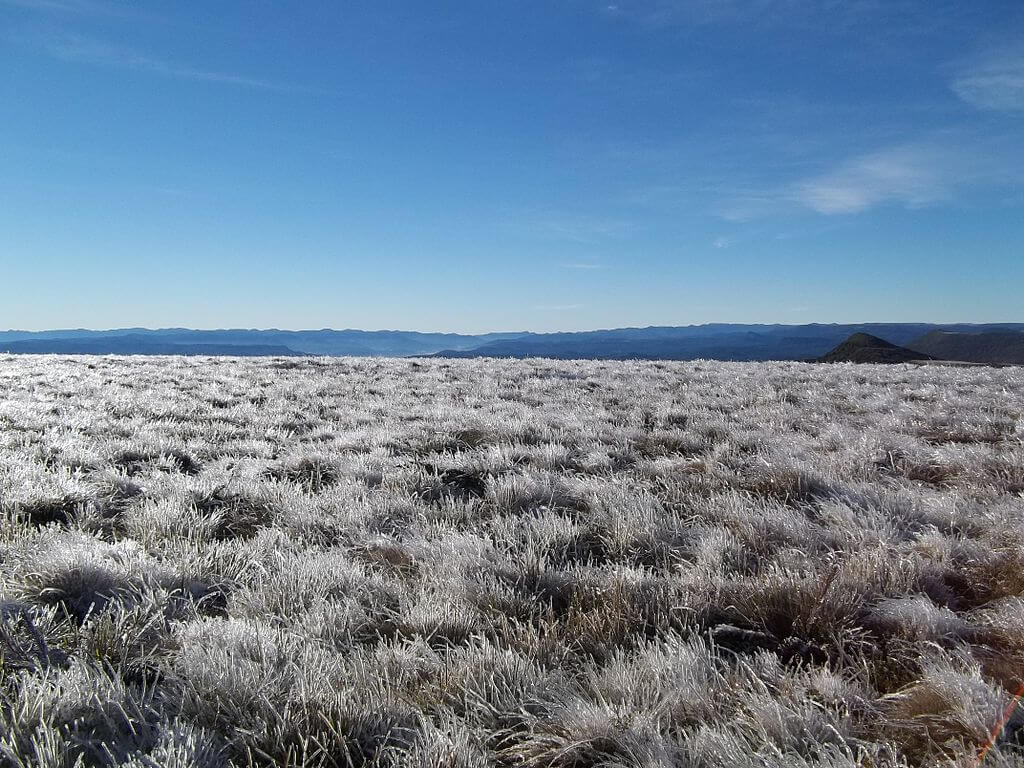
The park's topography, characterized by altitudes ranging from 100 to 1,112 meters (328 to 3,648 feet) above sea level, contributes to its rich ecosystems. Within its boundaries, visitors can marvel at a mosaic of vegetation types, including Atlantic-influenced coastal forests, Araucaria forests, and verdant grassland formations. This diverse vegetation supports numerous plant and animal species, contributing to the region's ecological vibrancy.
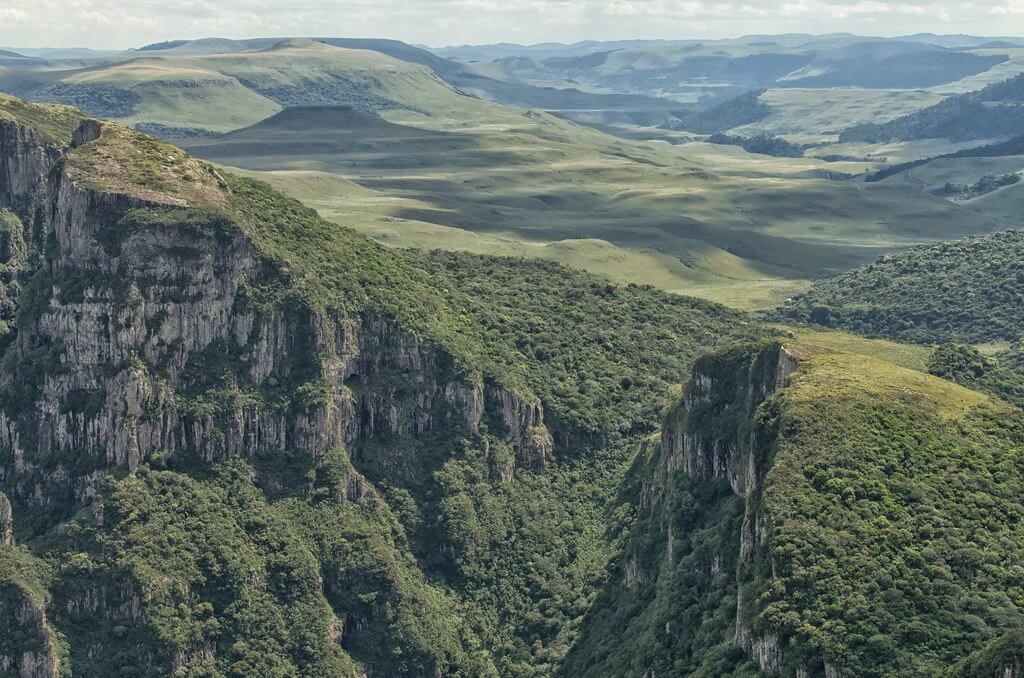
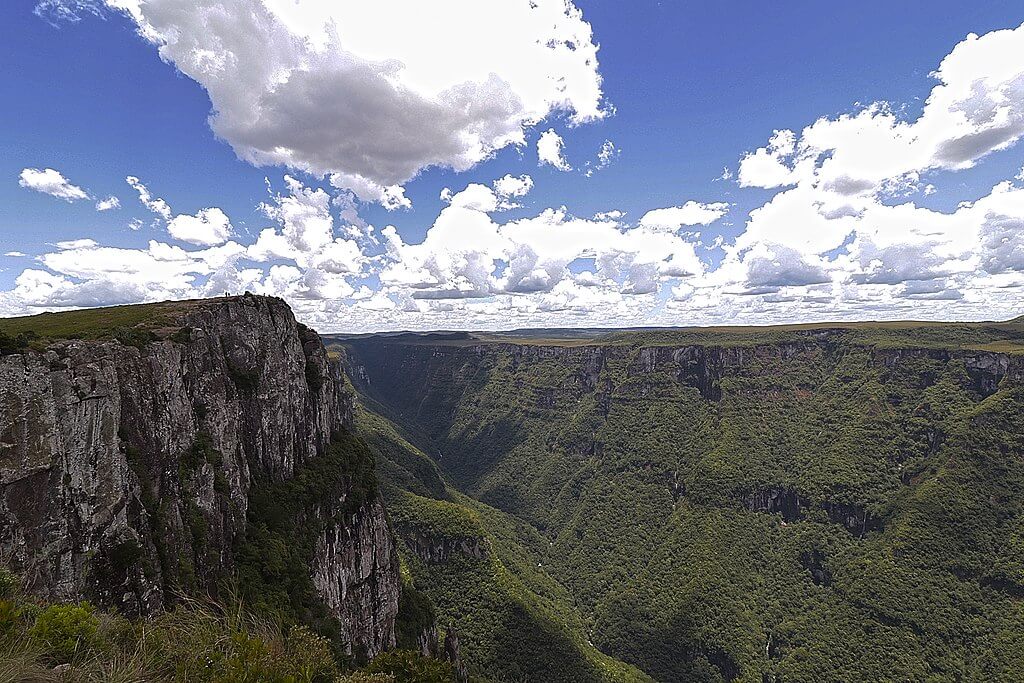
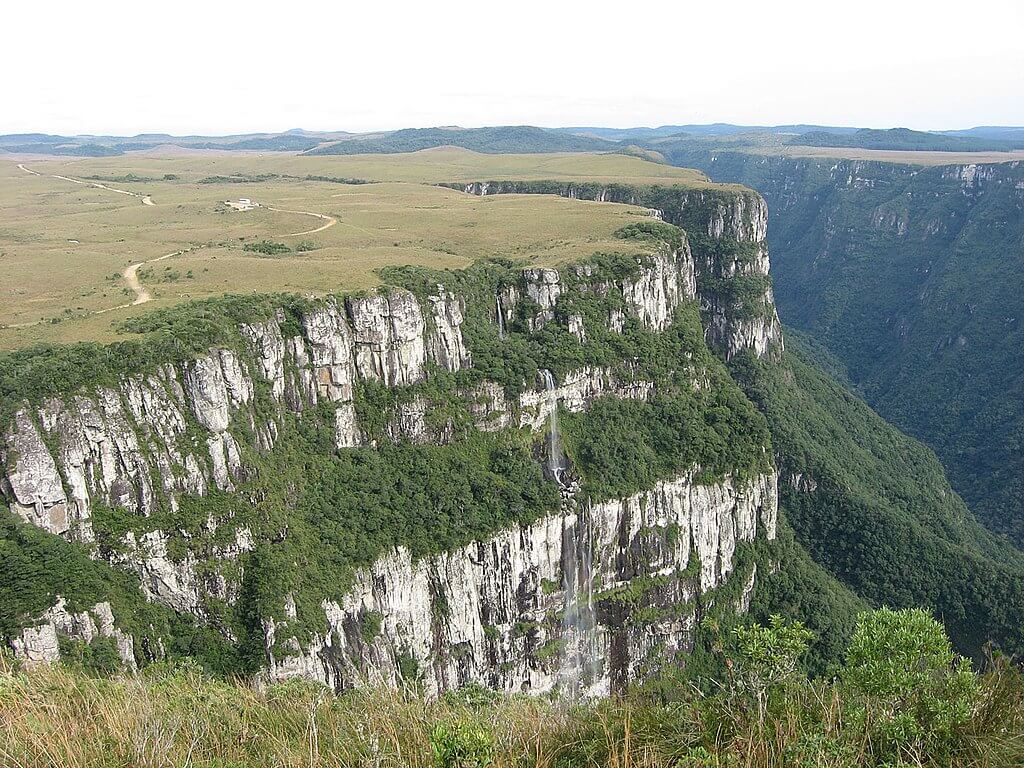
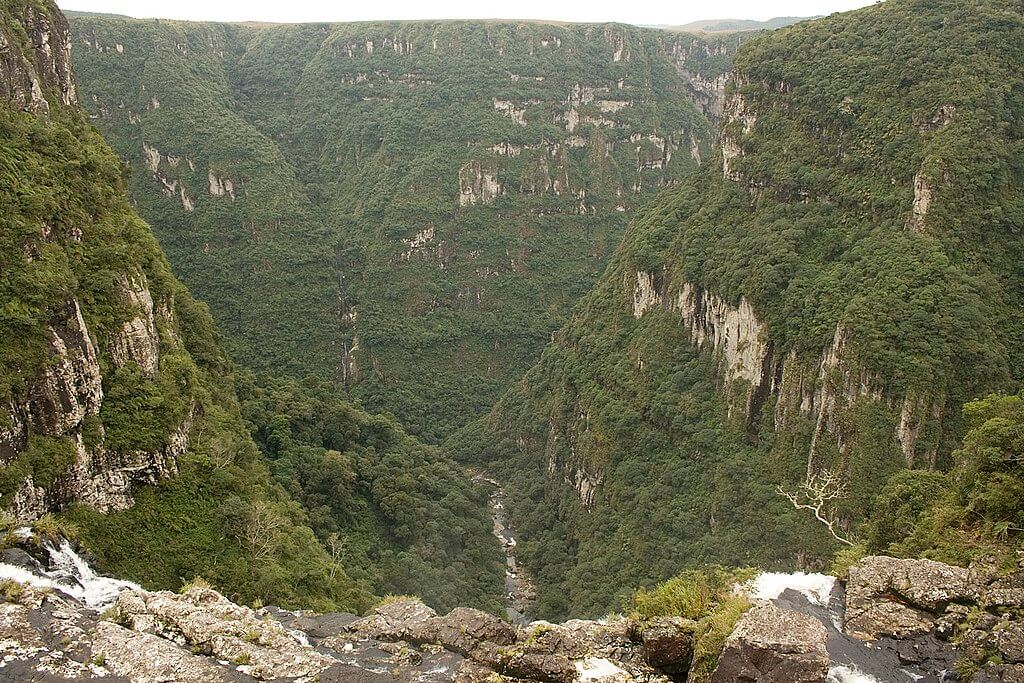
At the heart of Serra Geral National Park lies its crowning jewel, the majestic Fortaleza Canyon. Stretching approximately 8 kilometers (5 miles) in length, with depths plunging to an astonishing 900 meters (2,950 feet) and widths expanding to 1,500 meters (4,900 feet), this geological wonder offers visitors a captivating insight into the region's tumultuous geological history. Carved over millions of years by natural forces into the same basalt laid down by the Paraná-Etendeka eruptions, the canyon stands as a testament to the power of erosion and a symbol of the park's geological significance.
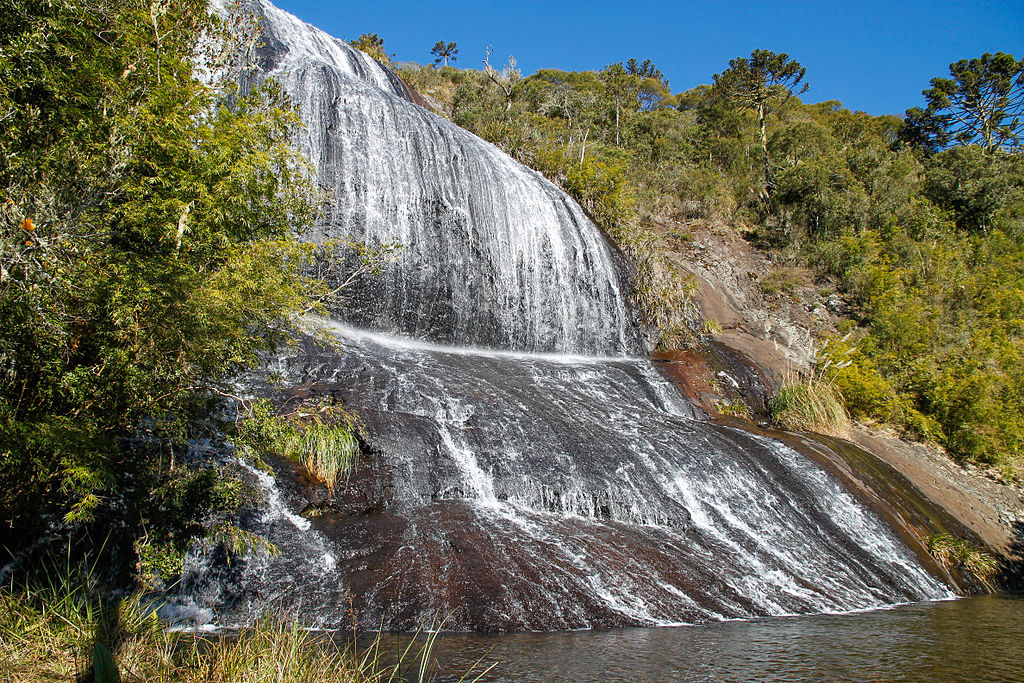
As visitors traverse the trails and viewpoints of Serra Geral National Park, they are treated to breathtaking vistas of sheer cliffs, cascading waterfalls, and lush vegetation. The park's rugged terrain and pristine landscapes offer a tranquil escape from the hustle and bustle of urban life, giving visitors a chance to reconnect with nature and appreciate its inherent beauty.
Beyond its natural wonders, Serra Geral National Park plays a crucial role in scientific research and environmental education. Researchers and conservationists flock to the park to study its diverse ecosystems and contribute to ongoing conservation efforts. Through educational programs and interpretive signage, the park strives to raise awareness about the importance of biodiversity conservation and foster a sense of stewardship among visitors.
Biodiversity and Ecological Splendor
Within the confines of Serra Geral National Park, a mosaic of ecosystems unfolds, harboring a rich tapestry of flora and fauna. From dry meadows to cloud forests, the park's diverse habitats support many plant and animal species, many of which are endemic to the region.
Endemic flora species thrive in this pristine environment, while various endemic fauna, including frogs, toads, and bird species such as the black-and-white monjita (Xolmis dominicanus) and saffron-cowled blackbird (Xanthopsar flavus), both threatened grassland specialists, find refuge within the park's boundaries. Protected mammal species, including the cougar (Puma concolor), oncilla (Leopardus guttulus), and margay (Leopardus wiedii), further underscore the ecological significance of the Serra Geral.
Cultural Significance and Conservation Efforts
Beyond its ecological splendor, the Serra Geral holds cultural significance for local communities, providing inspiration and livelihood. Traditional practices and Indigenous knowledge intertwine with conservation efforts, fostering a harmonious relationship between humans and nature.
Conservation initiatives to preserve the region's natural heritage play a crucial role in safeguarding the Serra Geral for future generations. Through sustainable management practices and community engagement, efforts are underway to ensure the long-term viability of this ecological treasure.
Conclusion
The Serra Geral is a beacon of natural beauty and biodiversity in southern Brazil. From its towering basalt cliffs, born of the same Cretaceous volcanism that shaped the wider Paraná Plateau, to its lush forests, this mountain range and its associated national park offer a glimpse into the intricate workings of the planet's ecosystems. As exploration and appreciation of the wonders of the Serra Geral continue, a steadfast commitment to conservation remains, ensuring this majestic landscape is preserved for generations to come.
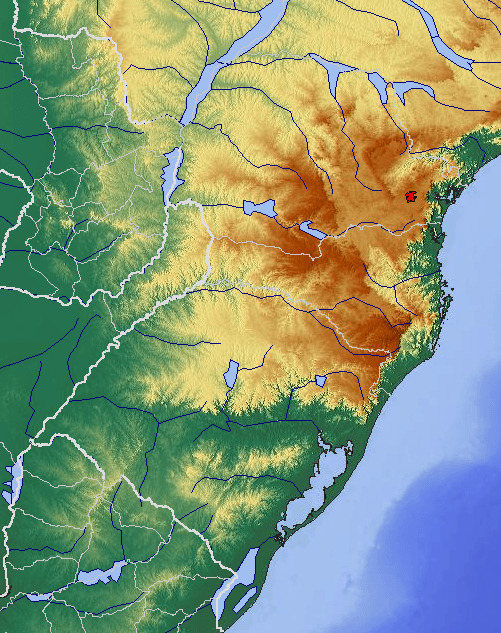
Physical map of southern Brazil.