
Serra dos Órgãos: An Ecological Jewel of Brazil's Atlantic Forest
The Serra dos Órgãos, or "Organ Range," in Rio de Janeiro, Brazil, is known for its dramatic peaks, including the famous Dedo de Deus, or "God's Finger." The range overlooks Guanabara Bay and is home to the Serra dos Órgãos National Park, a popular spot for hiking, rock climbing, and wildlife observation.
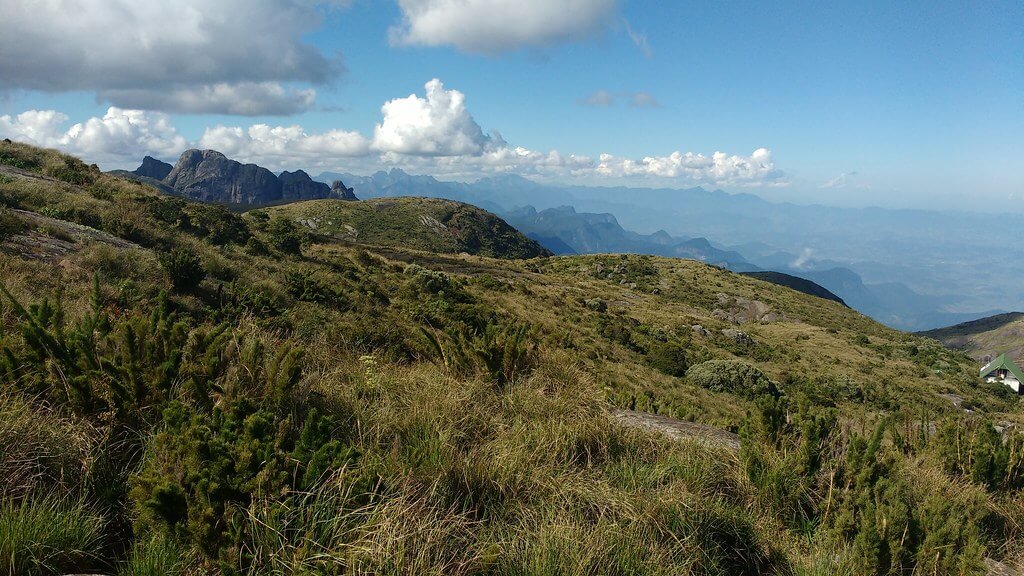
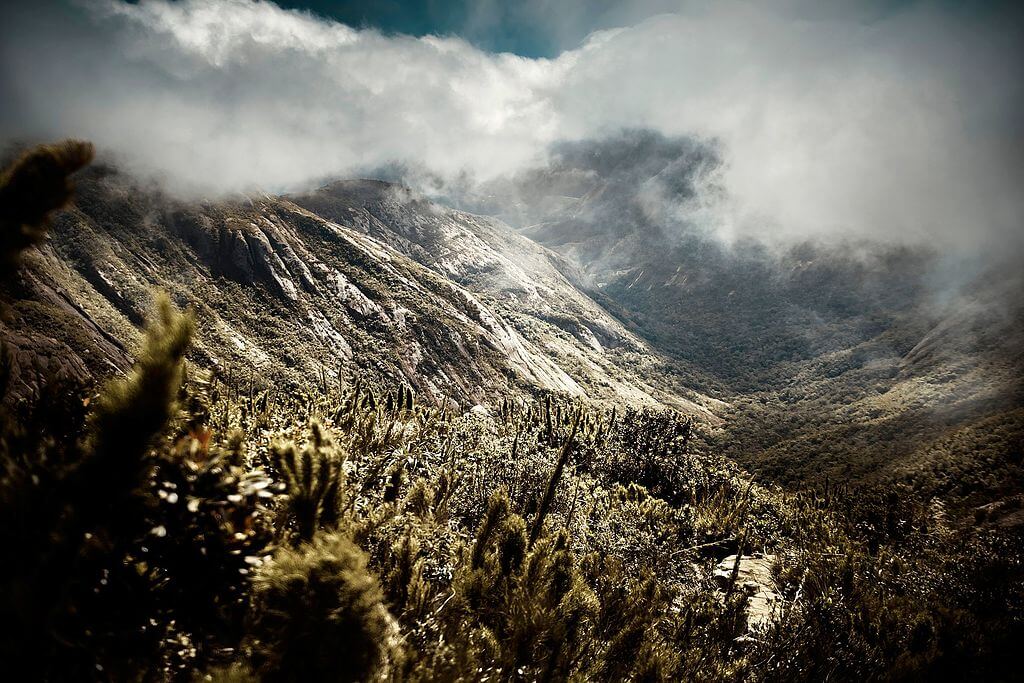
Serra dos Órgãos: Where Ancient Granite Meets Living Forests in Brazil's Atlantic Highlands
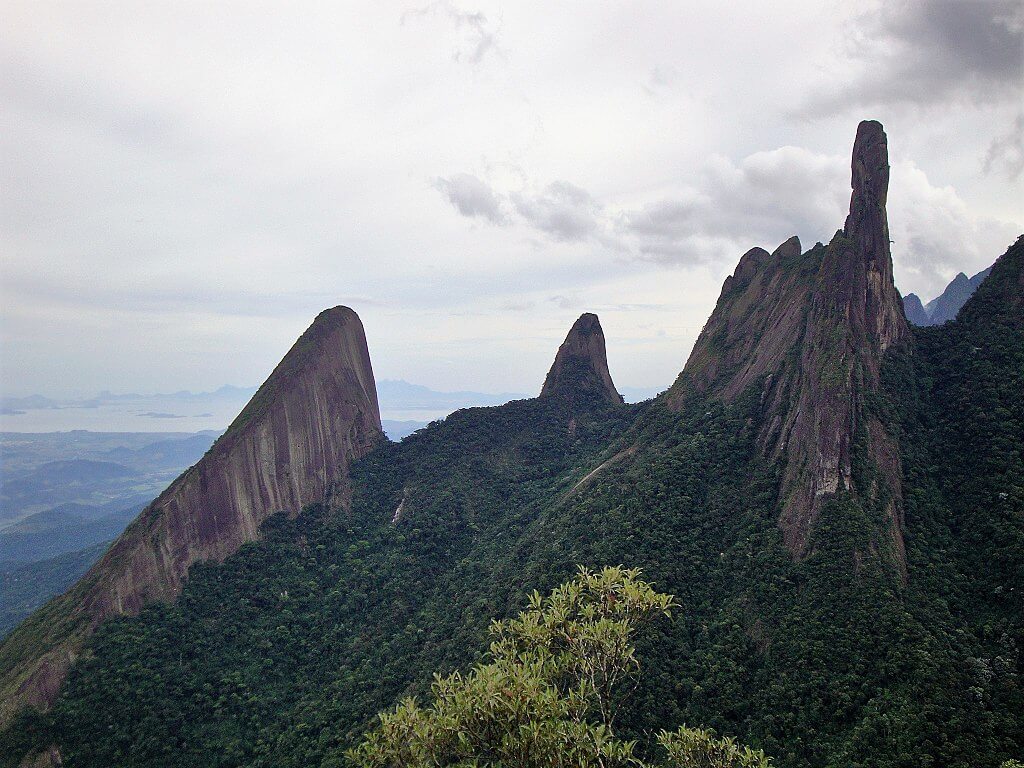
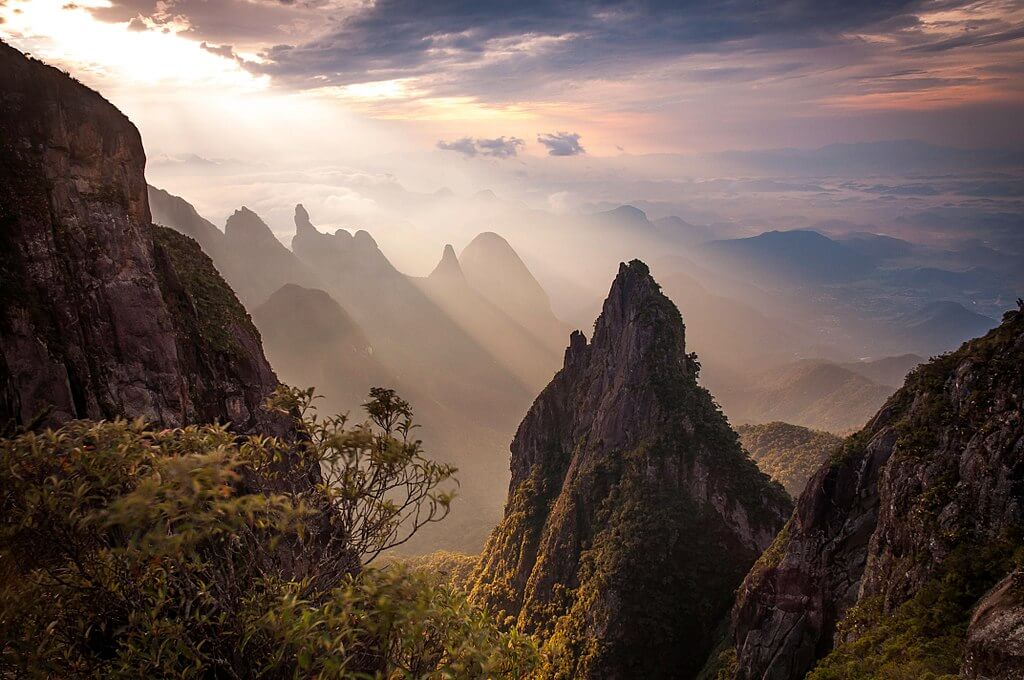
Rising majestically from the coastal plains of Rio de Janeiro state, the Serra dos Órgãos—literally translated as the "Range of Organs"—presents one of Brazil's most spectacular mountain landscapes. Named for its distinctive granite spires that resemble the pipes of a cathedral organ, this remarkable range forms part of the greater Serra do Mar system, creating a dramatic backdrop that has captivated visitors and scientists alike for centuries. From the bustling metropolis of Rio de Janeiro, these towering peaks appear as mystical silhouettes on clear days, their jagged profiles etched against the sky like ancient monuments to the geological forces that shaped southeastern Brazil. The range's most famous landmark, the Dedo de Deus, stands as a natural cathedral spire visible from dozens of kilometers away, beckoning adventurers and nature enthusiasts to explore one of South America's most biodiverse mountain ecosystems.
A Geological Marvel Born from Ancient Processes
The geological story of Serra dos Órgãos begins deep in Earth's history, rooted in the Precambrian crystalline basement that characterizes much of southeastern Brazil. These features are composed primarily of Neoproterozoic granitic gneisses, and the range's structural complexity stems from significant faulting and extensive erosion over millions of years. The broader Serra do Mar system, of which Serra dos Órgãos forms a part, belongs to the massive crystalline rock platform that forms Eastern South America and is tectonically very stable, with most elevations forming approximately 60 million years ago.
What makes Serra dos Órgãos particularly unique within this ancient landscape is a thick Cambrian granite dike that proved more resistant to erosion than the surrounding Neoproterozoic orthogneisses. This geological quirk created the distinctive ridge that includes the iconic Dedo de Deus (God's Finger) and other towering rock formations that define the range's silhouette. These monuments of stone, formed approximately 620 million years ago, now stand as sentinels over Guanabara Bay, their vertical faces challenging climbers and inspiring countless artists and photographers.
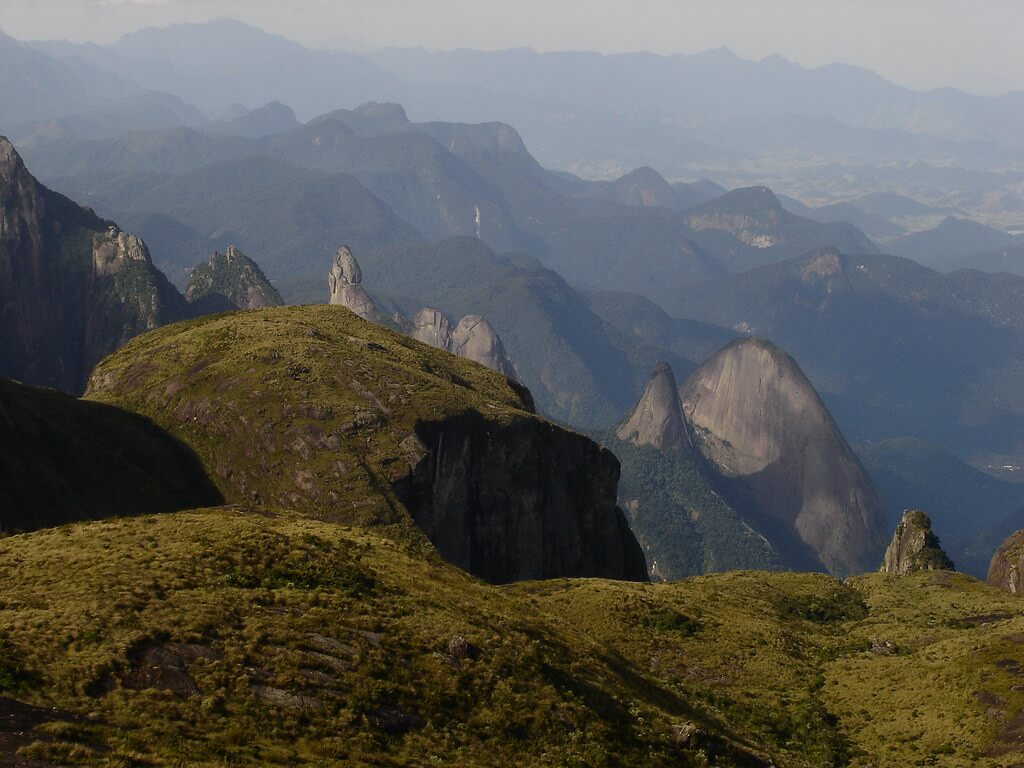
The range spans approximately 20,000 hectares (49,400 acres), forming a striking escarpment between the cities of Petrópolis and Teresópolis. Elevations vary dramatically from near sea level on the coastal plains to the highest peaks, which reach 2,260 meters (7,410 feet) above sea level, with an average elevation hovering around 1,100 meters (3,600 feet). This vertical diversity creates a series of distinct ecological zones, each supporting its own unique assemblage of plant and animal communities.
The Crown Jewel of Conservation
Established in 1939, Serra dos Órgãos National Park is Brazil's third-oldest national park, encompassing 10,527 hectares (26,010 acres) of this extraordinary landscape. The park protects ten peaks exceeding 2,000 meters (6,600 feet) in height and six additional summits rising above 1,500 meters (4,900 feet), creating a high-altitude archipelago of biodiversity within the broader Atlantic Forest matrix.
The park's lowest point, situated in the municipality of Magé at just 145 meters (476 feet), demonstrates the dramatic topographic relief that characterizes this landscape. This elevation gradient, combined with the region's position along the Atlantic coast, creates a complex mosaic of microclimates and ecological niches that support extraordinary biodiversity.
Climate: Where Ocean Meets Mountain
The climatic patterns of Serra dos Órgãos reflect the intimate relationship between the Atlantic Ocean and the continental interior. Moist air masses from the Atlantic encounter the range's steep escarpment, creating orographic precipitation that sustains the region's lush forests. Humidity levels remain consistently high, ranging from 80% to 90%, while temperatures vary considerably with elevation and season.
Average temperatures range from 13°C to 23°C (55°F to 73°F), though the vertical extent of the range creates significant variation. Lower elevations can experience sweltering heat up to 38°C (100°F), while the highest peaks can occasionally see temperatures drop below freezing. This thermal diversity, combined with substantial rainfall averaging between 1,700 and 3,600 millimeters (67 to 142 inches) annually, creates ideal conditions for the Atlantic Forest's remarkable biodiversity.
The park experiences a pronounced seasonal rhythm, with the wettest months occurring during the southern hemisphere summer from December to March. Winter brings a drier period from June to August, though precipitation rarely ceases entirely. The southeast-facing slopes, which bear the full brunt of Atlantic moisture, receive significantly more rainfall than their northwest counterparts, creating a rain shadow effect that influences vegetation patterns across the range.
A Living Laboratory of Atlantic Forest Biodiversity
Serra dos Órgãos National Park serves as a living laboratory for understanding one of Earth's most biodiverse ecosystems. Recent comprehensive studies have documented an astounding 3,096 plant species within the park's boundaries, including 2,412 angiosperms, one gymnosperm, 434 ferns and lycophytes, and 249 bryophytes. This botanical richness includes more than 360 orchid species and over 100 bromeliad species, many of which have evolved in isolation on the park's peaks and ridges.
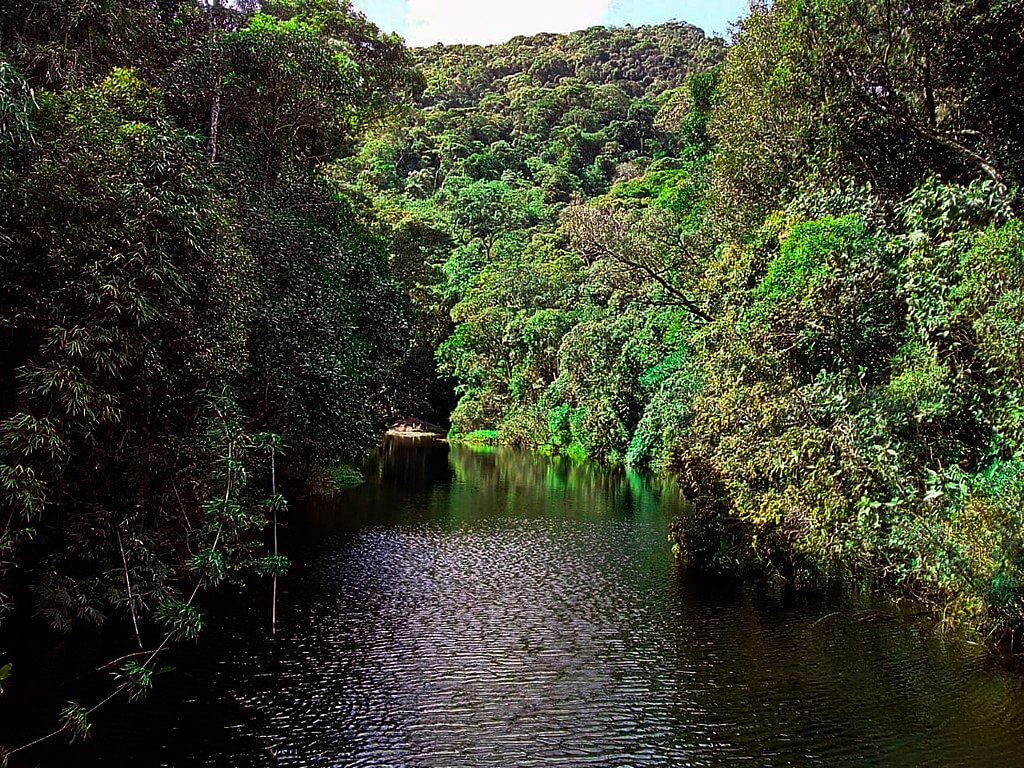
The park's vegetation follows a predictable elevational sequence that reflects changing climatic conditions with altitude. Up to 500 meters (1,600 feet), typical lowland rainforest dominates the landscape, with towering trees forming a dense canopy that shelters an incredible diversity of understory plants, epiphytes, and forest-floor species. As elevation increases from 500 to 1,500 meters (1,600 to 4,900 feet), montane forests take hold, with canopies reaching 25 to 30 meters (82 to 98 feet) and emergent giants occasionally soaring to 40 meters (130 feet).
Above 1,500 meters (4,900 feet), the forest transforms into the mystical realm of cloud forests, where persistent mist and fog create an otherworldly atmosphere. Here, trees of more modest stature—typically 5 to 10 meters (16 to 33 feet) tall—display twisted, gnarled forms sculpted by constant exposure to wind and moisture. Their branches and trunks serve as living gardens, festooned with epiphytic mosses, bromeliads, and orchids that create vertical ecosystems of stunning complexity.
At the highest elevations, above 2,000 meters (6,600 feet), the landscape opens into high-montane grasslands and shrublands, where hardy plants adapted to intense solar radiation, temperature fluctuations, and strong winds dominate. Of particular conservation significance, 33 plant species are endemic to the park itself, 190 to Rio de Janeiro state, and 97 are classified under IUCN threat categories.
The park is also one of the few natural habitats of Schlumbergera species, the wild relatives of the popular Thanksgiving and Christmas cacti that grace homes worldwide. These epiphytic cacti, perfectly adapted to life in the forest canopy, represent just one example of the park's many contributions to global horticulture and scientific understanding.
Fauna: A Haven for Endangered Species
The faunal diversity of Serra dos Órgãos matches its botanical richness, with the park serving as a critical habitat for numerous threatened and endangered species. The park provides refuge for 120 endangered species, including 1 invertebrate, 2 fish, 16 amphibians, 1 reptile, 72 birds, and 28 mammals. Among these, the woolly spider monkey (Brachyteles arachnoides) stands as perhaps the most significant, representing the largest primate in the Americas and one of the world's most endangered primates.
The park's varied habitats support an exceptional avian community, making it a premier destination for birdwatching enthusiasts and ornithological research. The altitudinal gradient creates distinct avian assemblages, from the colorful tanagers and trogons of the lowland forests to the specialized high-altitude species adapted to life in the cloud forests and grasslands.
Recreation and Scientific Discovery
Serra dos Órgãos National Park has evolved into one of Brazil's premier destinations for outdoor recreation and environmental education. The park's extensive trail system accommodates adventurers of all skill levels, from gentle nature walks suitable for families to challenging multi-day treks that test the limits of human endurance.
The crown jewel of the park's trail system remains the legendary Petrópolis-Teresópolis traverse, a demanding 30-kilometer (18.6-mile) journey that takes hikers through the park's most spectacular landscapes. This traverse, which typically requires two to three days to complete, offers participants an immersive experience of the Atlantic Forest's vertical complexity, from dense lowland forests through misty cloud forests to exposed high-altitude grasslands.
Rock climbing enthusiasts flock to the park's granite walls and spires, with routes ranging from beginner-friendly ascents to extreme technical challenges. The Dedo de Deus peak, rising 1,692 meters (5,551 feet) above sea level and resembling a massive hand with an extended index finger, is the ultimate prize for many climbers. This geological marvel, prominently featured on Rio de Janeiro's state flag, offers not only technical climbing challenges but also panoramic views of Guanabara Bay and the sprawling metropolitan region beyond.
Conservation Challenges and Future Prospects
As a fragment of the Atlantic Forest—one of the world's most threatened biodiversity hotspots—Serra dos Órgãos National Park faces significant conservation challenges. The Atlantic Forest has been reduced to less than 12% of its original extent, making protected areas like Serra dos Órgãos increasingly vital as genetic repositories and ecological refugia.
Climate change poses emerging threats to the park's high-altitude ecosystems, with potential shifts in temperature and precipitation patterns threatening to disrupt the delicate balance of cloud forest communities. The park's role in watershed protection becomes increasingly important as regional development pressures intensify, with the range serving as the source of rivers that supply water to millions of people in the greater Rio de Janeiro metropolitan area.
A Living Testament to Natural Heritage
Serra dos Órgãos is more than a protected landscape; it is a living testament to the extraordinary biodiversity and geological processes that have shaped southeastern Brazil over hundreds of millions of years. The park's towering peaks and deep valleys harbor evolutionary stories written in stone and living tissue, from the ancient gneisses that underlie it to the endemic species that have evolved in isolation on its summits.
For visitors, scientists, and conservationists alike, Serra dos Órgãos offers profound lessons about the intricate relationships between geology, climate, and life. Its misty forests and granite spires remind us that true wilderness still exists in our increasingly developed world, providing both refuge for countless species and inspiration for the human spirit. As we face an uncertain environmental future, protected areas like Serra dos Órgãos National Park become ever more precious, serving as both ark and lighthouse in our collective effort to preserve Earth's natural heritage for future generations.
Through careful stewardship and continued scientific study, this remarkable landscape will continue to reveal its secrets while providing sanctuary for the countless species that call it home. In the interplay of mist and stone, forest and grassland, Serra dos Órgãos embodies the resilience and fragility of our natural world, standing as an enduring symbol of Brazil's commitment to conservation and environmental protection.