Landforms of Mexico

The Petén Basin and Maya Forest: Where Ancient Civilizations Meet Living Wilderness

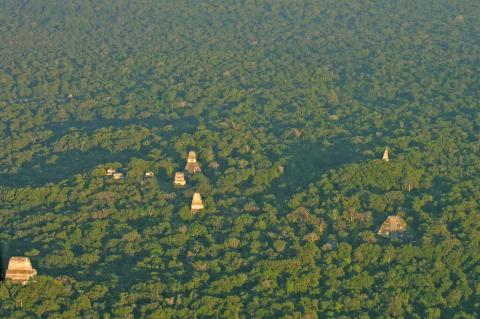
In the heart of Central America lies one of the world's most remarkable convergences of natural wonder and human achievement. The Petén Basin and its encompassing Maya Forest represent far more than geographical features—they embody the long relationship between civilization and wilderness that has unfolded across this landscape for millennia, where limestone pyramids rise through the forest canopy and jaguars still move along pathways once traveled by Maya kings.

The Sierra del Carmen and Maderas del Carmen Biosphere Reserve: Mexico's Hidden Ecological Treasures

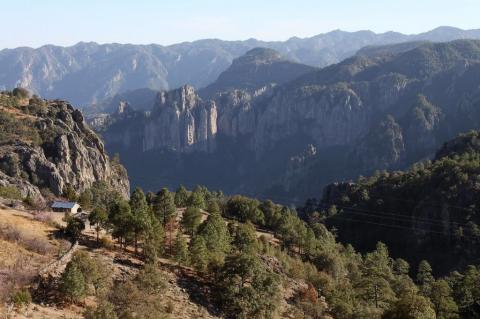
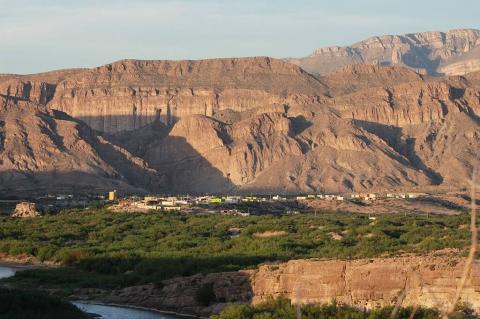
The Sierra del Carmen and the Maderas del Carmen Biosphere Reserve represent two of Mexico's most ecologically rich and unique regions. Nestled in the northern state of Coahuila, these areas are part of the more extensive Sierra Madre Oriental range and serve as vital refuges for a diverse array of flora and fauna. An in-depth exploration of these areas reveals their geographical, climatic, and ecological characteristics.

The Sierra Madre de Chiapas: A Vital Natural Divide

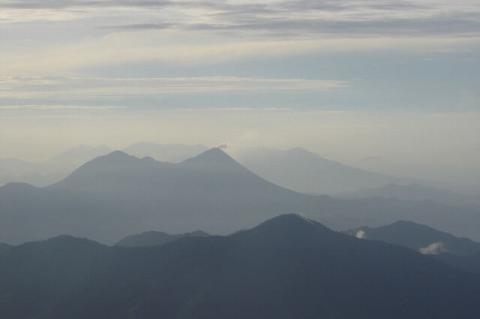
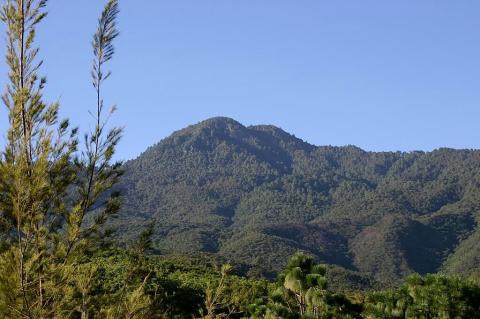
The Sierra Madre de Chiapas is an impressive mountain range that extends parallel to the Pacific coast in southern Mexico and northern Central America. As the southernmost extension of the Sierra Madre Mountain System, this range is a significant geographical and ecological landmark. Spanning multiple countries, the range is known for its diverse ecosystems, volcanic activity, and role in the region's hydrology.

The Sierra Madre de Oaxaca: Heart of Southern Mexico

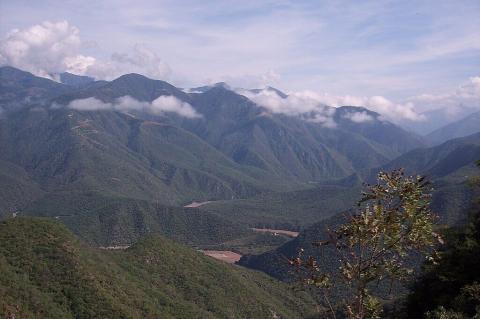
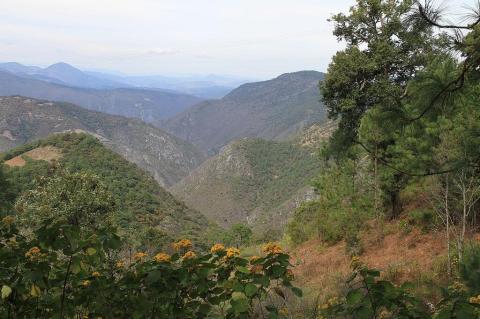
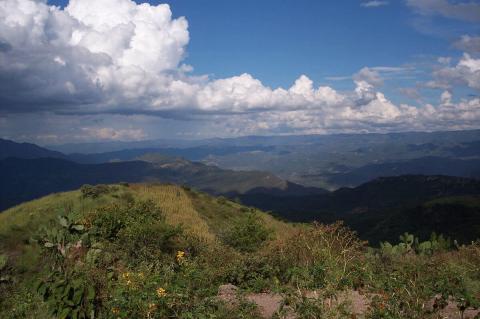
The Sierra Madre de Oaxaca is one of Mexico's most biologically and culturally rich mountain ranges, spanning parts of Oaxaca, Puebla, and Veracruz. This range forms a crucial component of the Sierra Madre mountain system, linking the Sierra Madre Oriental to the east and the Sierra Madre del Sur to the south. Known for its rugged terrain and diverse ecosystems, the range has played a pivotal role in shaping southern Mexico's environment, history, and cultures.

The Sierra Madre Occidental: Mexico's Majestic Western Backbone

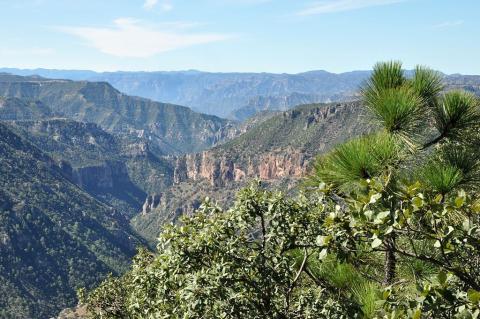
The Sierra Madre Occidental, Mexico's most extensive mountain range, is one of the country's most significant geographical, ecological, and cultural landmarks. Stretching from the U.S.-Mexico border in Sonora and Chihuahua to the western states of Jalisco and Michoacán, this dramatic range is a defining feature of the nation's landscape. With its towering peaks, deep canyons, rich biodiversity, and deep cultural roots, the Sierra Madre Occidental shapes Mexico's environment, history, and identity.

The Sierra Madre Oriental: The Eastern Highlands of Mexico

The Sierra Madre Oriental runs parallel to Mexico's Gulf Coast and is crucial to the country's geography, ecology, and culture. It stretches from Coahuila near the U.S.-Mexico border to Puebla, forming part of the Sierra Madre Mountain System. Home to cloud forests, colonial silver-mining towns, and a surprising 19th-century Cornish legacy, it forms the eastern wall of the Mexican Plateau.

The Sierra Madre: Mexico's Magnificent Mountain Kingdom

Stretching majestically across Mexico, the Sierra Madre mountain system forms an awe-inspiring backbone that encloses the central Mexican Plateau. This vast and intricate network of ranges, part of the mighty American Cordillera, extends in a broad northwest-southeast arc, encompassing an extraordinary range of landscapes, ecosystems, and cultural heritage that have shaped the essence of Mexico.

The Trans-Mexican Volcanic Belt: Unveiling Mexico's Geological Marvels

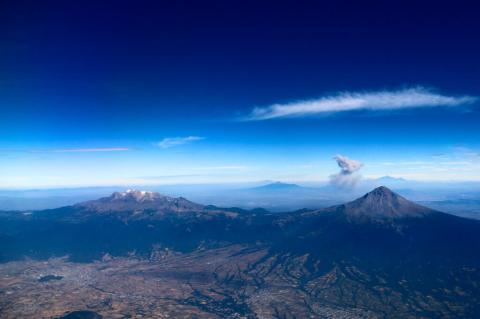
The Trans-Mexican Volcanic Belt, also known as the Cordillera Neo-Volcánica, Eje Volcánico, or Sierra Volcánica Transversal, is a remarkable geological formation that stretches from the Pacific Ocean to the Gulf of Mexico in south-central Mexico. This volcanic belt encompasses an active volcanic arc over a vast area and illustrates the dynamic interplay between tectonic plates that has unfolded over millions of years.

The Valley of Mexico: Where Ancient Civilizations Thrived

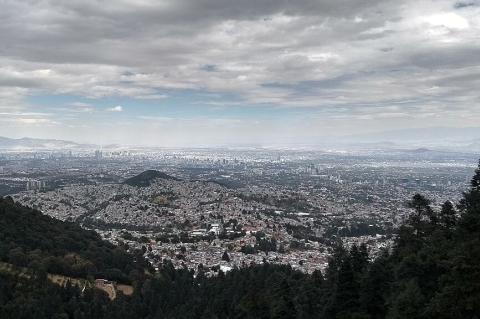
The Valley of Mexico, located within the Trans-Mexican Volcanic Belt, is a closed basin that has been a focal point of human settlement and cultural development for thousands of years. Its fertile volcanic soils have attracted and sustained complex societies, leaving an indelible mark on the history and heritage of Mesoamerica. From the ancient city of Teotihuacán to the majestic capital of the Aztec Empire, the Valley of Mexico has been the cradle of civilization and a cultural epicenter. It continues to thrive as the vibrant heart of Mexico.

The Yucatán Peninsula: A Living Testament to Time

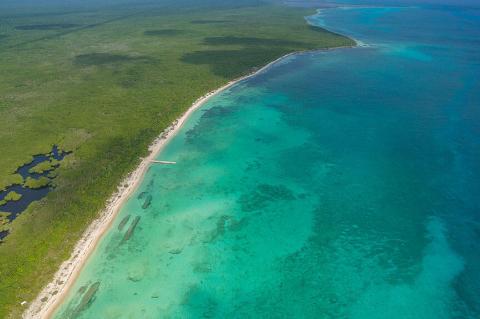
Suspended between the waters of the Gulf of Mexico and the Caribbean Sea, the Yucatán Peninsula is one of the most geologically and culturally distinctive regions in the Americas. This vast limestone platform, covering approximately 181,000 sq km, spans the Mexican states of Campeche, Quintana Roo, and Yucatán, and extends southward into Belize and Guatemala. Here, the peninsula's foundations tell a story that stretches from a cataclysmic asteroid impact to the rise of one of the ancient world's most sophisticated civilizations.